
Bird
Eurasian Tree Sparrow
Passer montanusAlso known as German Sparrow, Tree Sparrow, Mountain Sparrow, Eurasian Tree-Sparrow
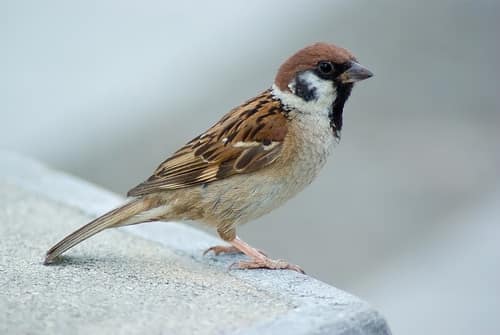
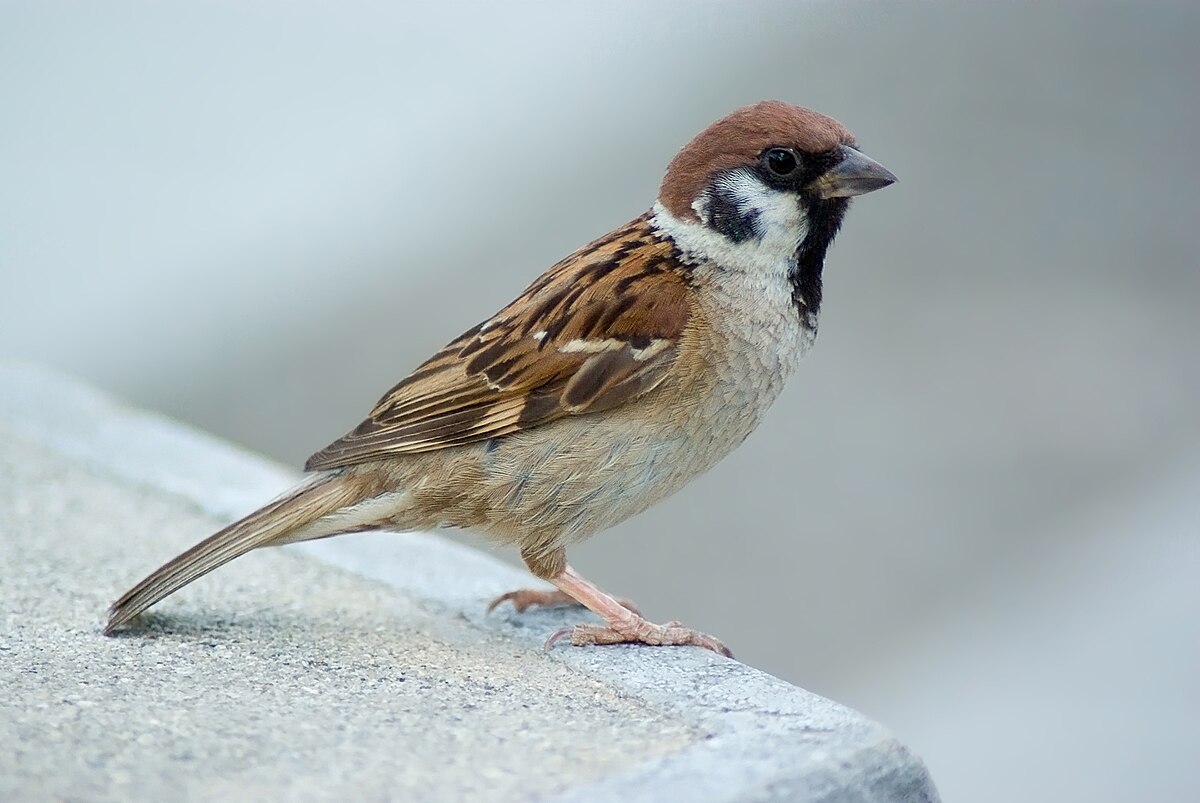
Eurasian Tree Sparrows thrive in woodland edges, farmlands, and suburban gardens across Eurasia, often forming noisy chatterbox flocks that forage together on the ground. Pairs construct messy domed nests inside tree cavities, building crevices, or nest boxes using dried grass, feathers, and twigs. Unlike their house sparrow cousins, both sexes display matching chestnut caps and jet-black cheek spots year-round.
SocialSongbirdGranivore
—observations
—countries
—peak records
Least ConcernConservation statusIUCN Red List categoriesLCNTVUENCREWEXLeast ConcernRed List categories, explained →
Diet & preyGrass seeds, Cereal grains, Small beetles
Predators
- Domestic cats
- Eurasian sparrowhawks
- Barn owls
ThreatsAgricultural intensification, loss of nesting cavities, pesticide use
HabitatsFarmland, hedgerows, suburban gardens, orchards, parkland
Life span2–5 years
Classification
- OrderPasseriformes
- FamilyPasseridae
- GenusPasser
- SpeciesPasser montanus
Range data is not available yet.
Interaction riskLow
- Low
- Moderate
- High
- Very high
- Why interaction risk is low
- Safe to observe at a normal distance.
Responsible observation
- Feeding: Offer small seeds like millet or sunflower hearts on low platform feeders or ground trays.
- Nesting Boxes: Mount small wooden birdhouses with a 28 mm entrance hole in early spring.
- Identification: Look for the prominent black spot on pure white cheeks to confirm identification.
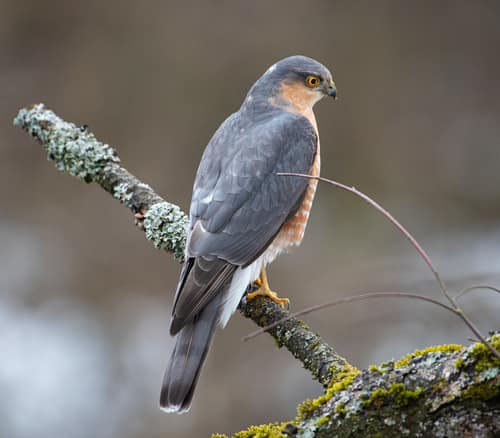
Predator (c) Stanislav Murashkin, some rights reserved (CC BY), uploaded by Stanislav Murashkin · cc-by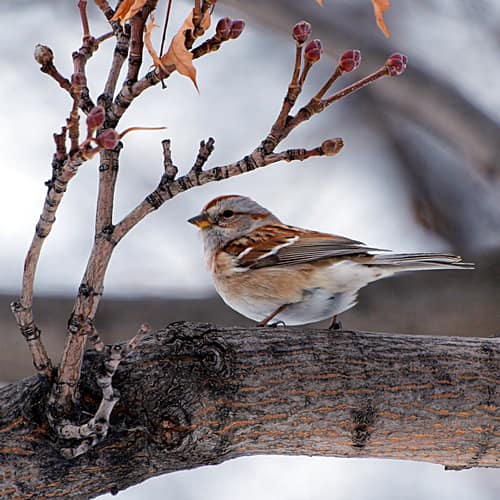
Look-Alike (c) Shanthanu Bhardwaj, some rights reserved (CC BY-SA) · cc-by-sa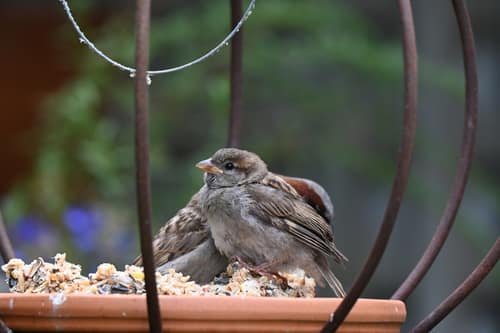
Close Relative (c) jraus, some rights reserved (CC BY-SA) · cc-by-sa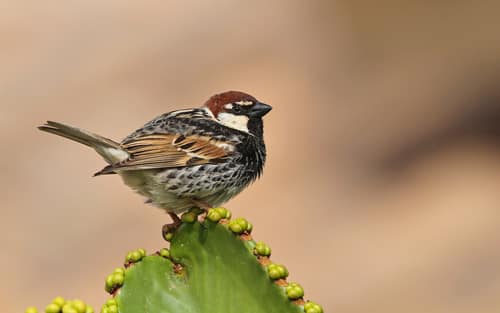
Close Relative (c) Christoph Moning, some rights reserved (CC BY), uploaded by Christoph Moning · cc-by
Keep collecting in Fauna
Found in Collections
Species set Pro
Backyard Birds
Eurasian Tree Sparrow is found in this collection. Identify it in Fauna to fill this slot and continue your progress.
Unlock to track progress
Help improve the field guideSomething wrong?
Checking your Fauna account…Report a name, category, or profile issue for review.