
Bird
Painted Bunting
Passerina cirisAlso known as Nonpareil, Mariposa
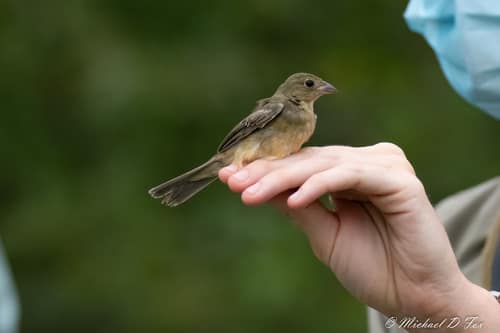
Male painted buntings exhibit an astonishing palette of sapphire blue, emerald green, and bright crimson that develops fully during their second year. Females and young birds wear a subtle lime green plumage that provides optimal camouflage within dense shrubbery. These secretive birds spend much of their time foraging in low thickets, emerging onto exposed perches mainly to deliver rich, musical trills during the spring breeding season.
SongbirdColorfulMigratory

—observations
—countries
—peak records
Least ConcernConservation statusIUCN Red List categoriesLCNTVUENCREWEXLeast ConcernRed List categories, explained →
Diet & preyBristlegrass seeds, Panicgrass seeds, Caterpillars
Predators
- Cooper's Hawk
- Feral Cat
- Rat Snake
ThreatsHabitat loss, illegal trapping for cage-bird trade, window strikes
HabitatsBrushy thickets, woodland edges, overgrown fields, coastal scrub
Life span5–10 years
Classification
- OrderPasseriformes
- FamilyCardinalidae
- GenusPasserina
- SpeciesPasserina ciris
Range data is not available yet.
Interaction riskLow
- Low
- Moderate
- High
- Very high
- Why interaction risk is low
- Safe to observe at a normal distance.
- What to notice
- Look for small seed-eating songbirds in dense brush, with males showing tricolored plumage and females uniform yellow-green.
- Support conservation
- Observe singing males from a respectful distance with optics and avoid disturbance near potential nest thickets.
Responsible observation
- Feeder Offerings: Provide white proso millet or sunflower chips in tube or platform feeders near dense cover.
- Observation Strategy: Listen for the male's loud, warbling song high in the canopy before scanning lower brush.
- Habitat Gardening: Plant native berry bushes and dense native shrubs to offer nesting security and food.
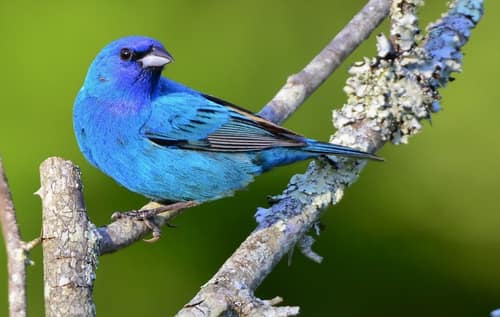
Close Relative (c) Gareth Rasberry, some rights reserved (CC BY-SA) · cc-by-sa
Close Relative (c) Cole Wolf, some rights reserved (CC BY) · cc-by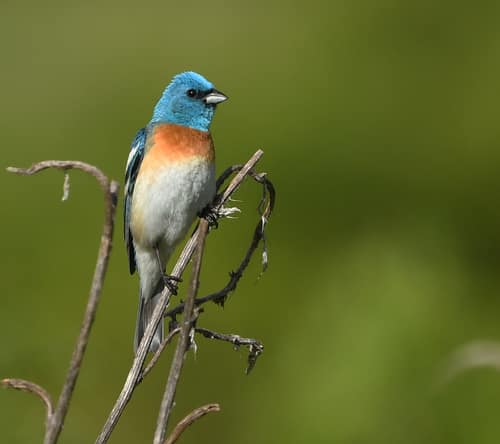
Close Relative (c) Pat Farris, some rights reserved (CC BY), uploaded by Pat Farris · cc-by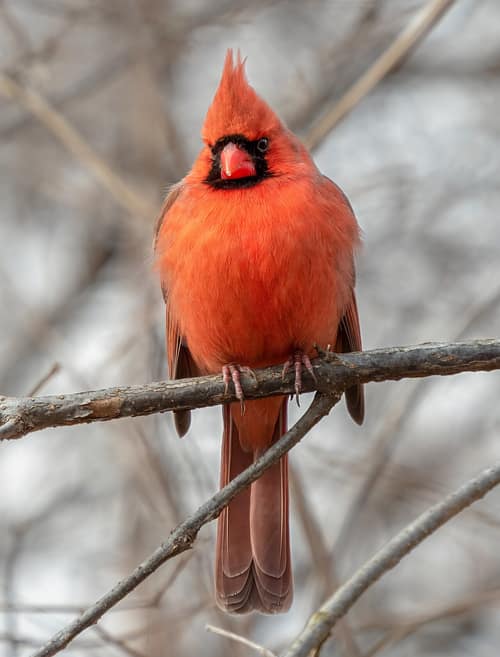
Family Member Rhododendrites / CC BY-SA 4.0 · cc-by-sa
Help improve the field guideSomething wrong?
Checking your Fauna account…Report a name, category, or profile issue for review.