
Bird
Violet-green Swallow
Tachycineta thalassinaAlso known as Northern Violet-green Swallow
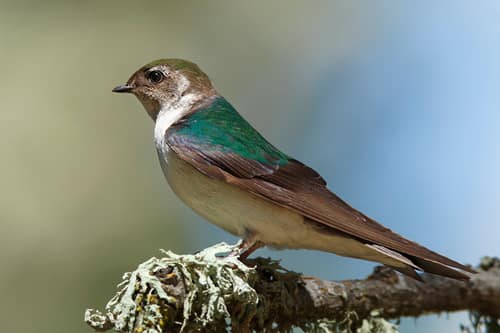
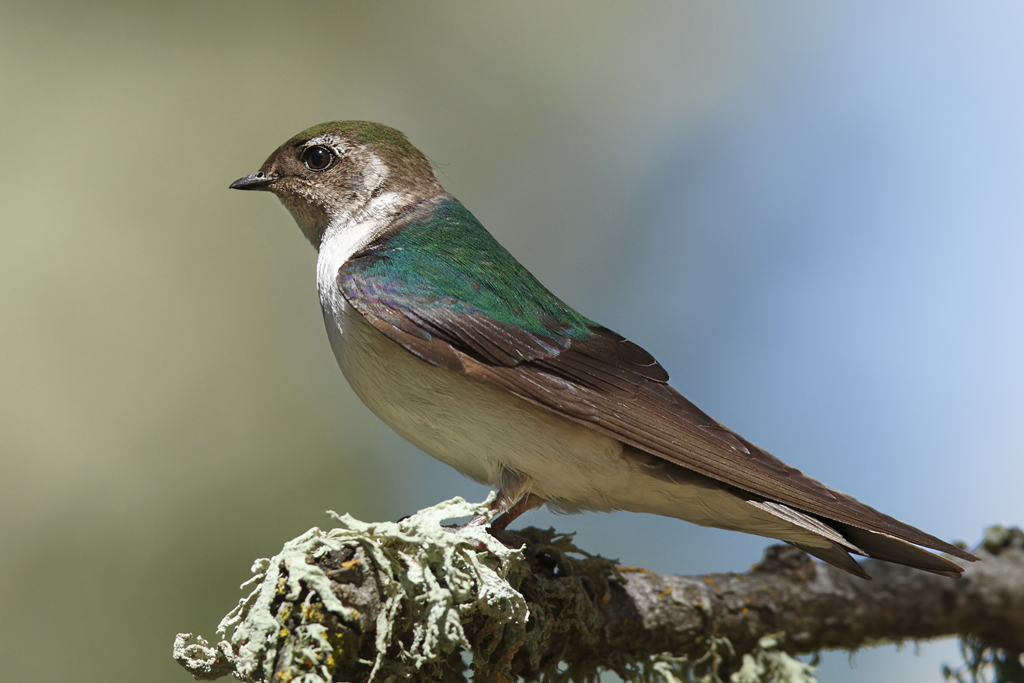
Violet-green swallows perform agile aerial acrobatics high above western canopy tops, snapping up flying insects midair with sharp, quick turns. These gregarious birds nest in natural tree cavities, rock crevices, or human-built nest boxes, often forming small communal colonies near mountain valleys and rivers. Their white cheeks and side-rump patches shimmer beside brilliant emerald green and deep violet plumage as they forage overhead.
Aerial InsectivoreMigratorySongbird
—observations
—countries
—peak records
Least ConcernConservation statusIUCN Red List categoriesLCNTVUENCREWEXLeast ConcernRed List categories, explained →
Diet & preyFlies, Leafhoppers, Winged ants
Predators
- Peregrine Falcon
- American Kestrel
- Sharp-shinned Hawk
ThreatsNest site competition from invasive birds, forest fragmentation, and pesticide reductions in insect prey
HabitatsDeciduous and coniferous forests, cliffs, wooded canyons, and suburban parks
Life span3–6 years
Classification
- FamilyHirundinidae
- SpeciesTachycineta thalassina
Range data is not available yet.
Interaction riskLow
- Low
- Moderate
- High
- Very high
- Why interaction risk is low
- Safe to observe at a normal distance.
Responsible observation
- Spotting in Flight: Look for distinctive white patches extending up onto the sides of the rump during high soaring flight.
- Providing Nesting Sites: Install nest boxes with 3.8 cm entrance holes in open woodland edges to attract nesting pairs.
- Listening for Calls: Listen for rapid, high-pitched metallic twittering calls while they forage in mixed flocks.
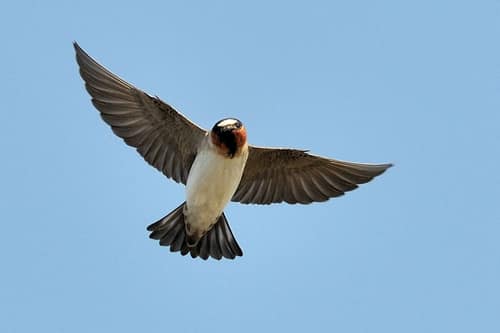
Nesting Neighbor Don DeBold / CC BY-SA 2.0 · cc-by-sa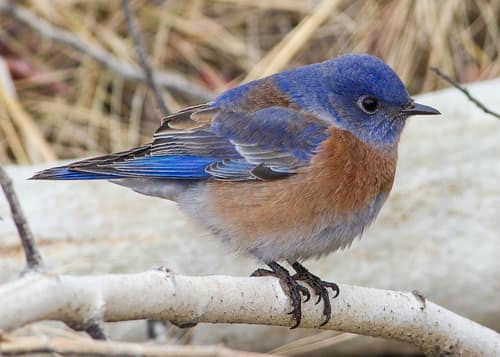
Nesting Competitor Blalonde / CC BY-SA 4.0 · cc-by-sa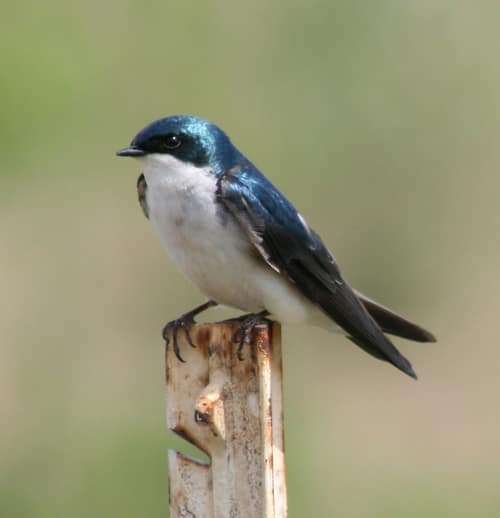
Close Relative "Tree Swallow" by born1945 is licensed under CC BY 2.0. To view a copy of this license, visit https://creativecommons.org/licenses/by/2.0/. · cc-by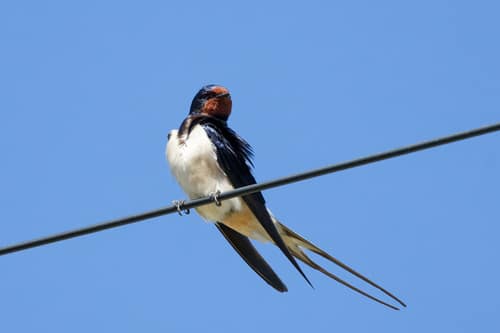
Family Member (c) Donald Davesne, some rights reserved (CC BY), uploaded by Donald Davesne · cc-by
Help improve the field guideSomething wrong?
Checking your Fauna account…Report a name, category, or profile issue for review.