
Bird · GBIF taxon 2490936
Western Bluebird
Sialia mexicanaAlso known as Mexican Bluebird
Bright cobalt-blue feathers mantle the male Western Bluebird, contrasting sharply with a rust-red chest and upper back patch. These social thrushes spend winters in roving family flocks, gleaning mistletoe berries and dropping from low perches to snatch insects off the ground. Pairs readily adopt artificial nest boxes placed along woodland edges where natural tree cavities have become scarce.
SongbirdCavity NesterInsectivorous
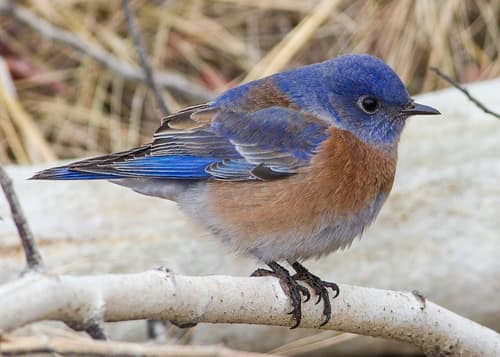
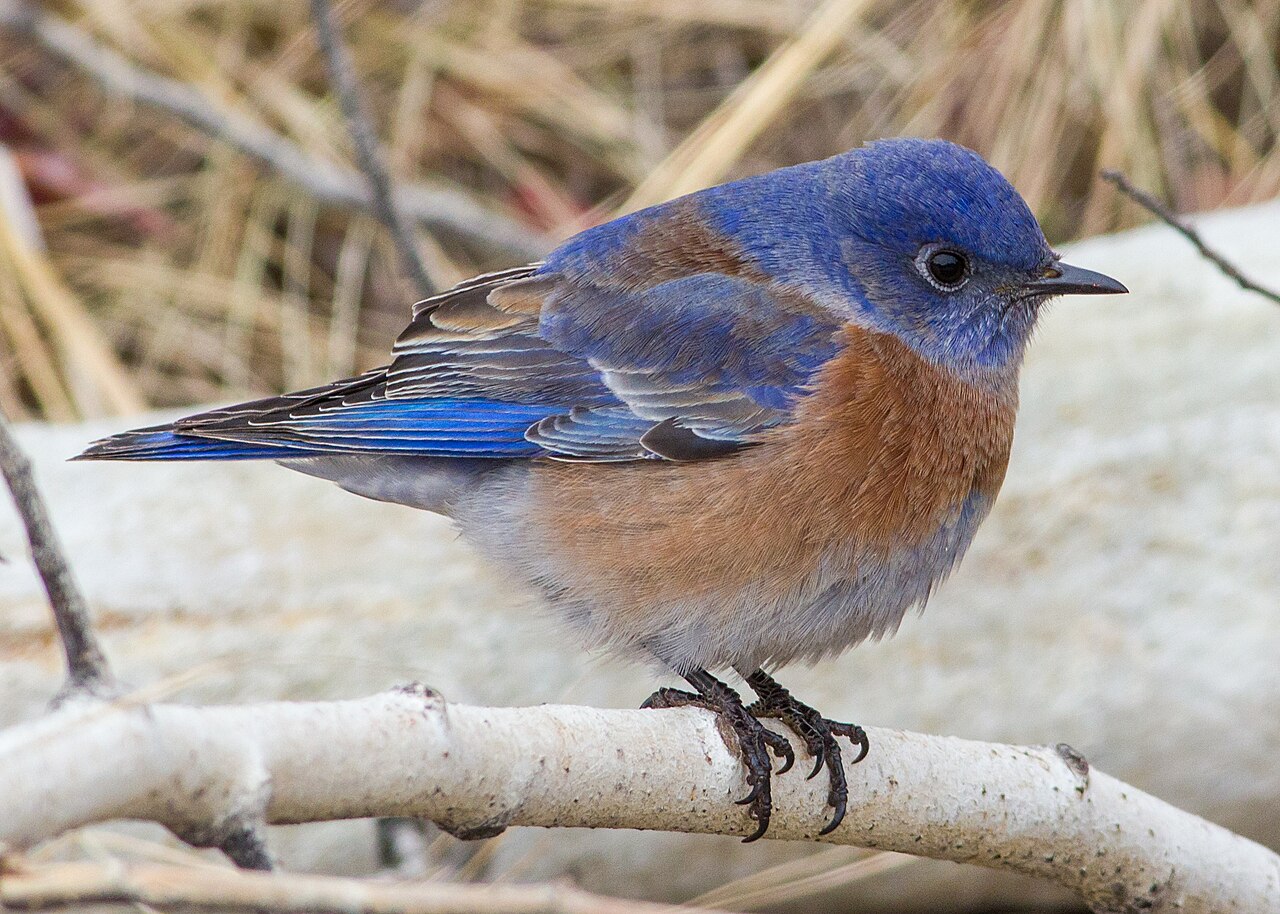
—observations
—countries
—peak records
Least ConcernConservation statusIUCN Red List categoriesLCNTVUENCREWEXLeast ConcernRed List categories, explained →
Diet & prey
- Grasshoppers
- Caterpillars
- Mistletoe Berries
Predators
- Domestic Cat
- Cooper's Hawk
- Gopher Snake
ThreatsLoss of dead trees for nesting and competition with invasive cavity nesters
HabitatsOpen coniferous forests, oak savannas, farmlands, and burned woodlands
Life span6–10 years
Size / weightNot available
Classification
- OrderPasseriformes
- FamilyTurdidae
- GenusSialia
- SpeciesSialia mexicana
Range data is not available yet.
Interaction riskLow
- Low
- Moderate
- High
- Very high
- Why interaction risk is low
- Safe to observe at a normal distance.
Responsible observation
- Nest Boxes: Mount predator-guarded birdhouses in open woodland openings to aid breeding pairs.
- Winter Feeding: Plant berry-producing native shrubs like mistletoe and elderberry for seasonal food.
- Field Observation: Watch fence lines and lower branches where birds pause before pouncing on ground prey.
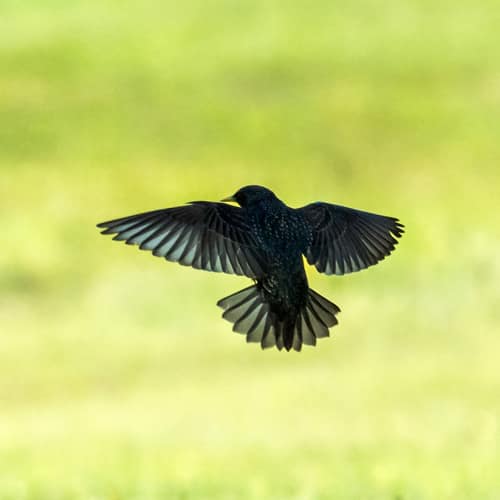
Nest Competitor (c) Shiva Shenoy, some rights reserved (CC BY), uploaded by Shiva Shenoy · cc-by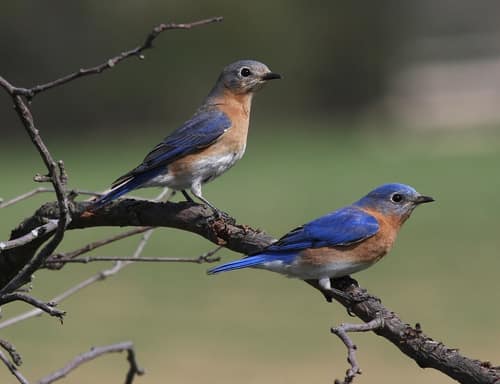
Close Relative Sandysphotos2009 / CC BY 2.0 · cc-by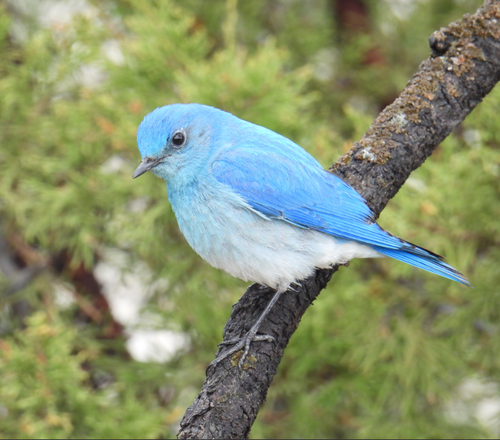
Close Relative (c) Josiah Londerée, some rights reserved (CC BY), uploaded by Josiah Londerée · cc-by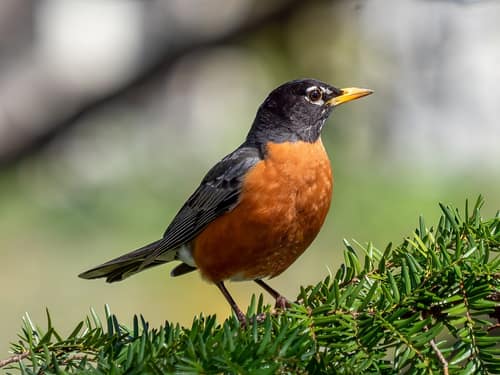
Family Member Rhododendrites / CC BY-SA 4.0 · cc-by-sa
Help improve the field guideSomething wrong?
Checking your Fauna account…Report a name, category, or profile issue for review.