
Bird
Scarlet-tufted Malachite Sunbird
Nectarinia johnstoniAlso known as Red-tufted Sunbird, Scarlet-tufted Sunbird, Johnston's Sunbird
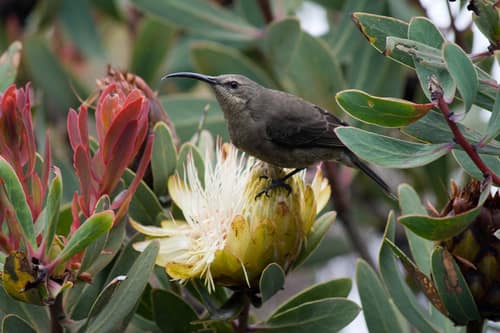
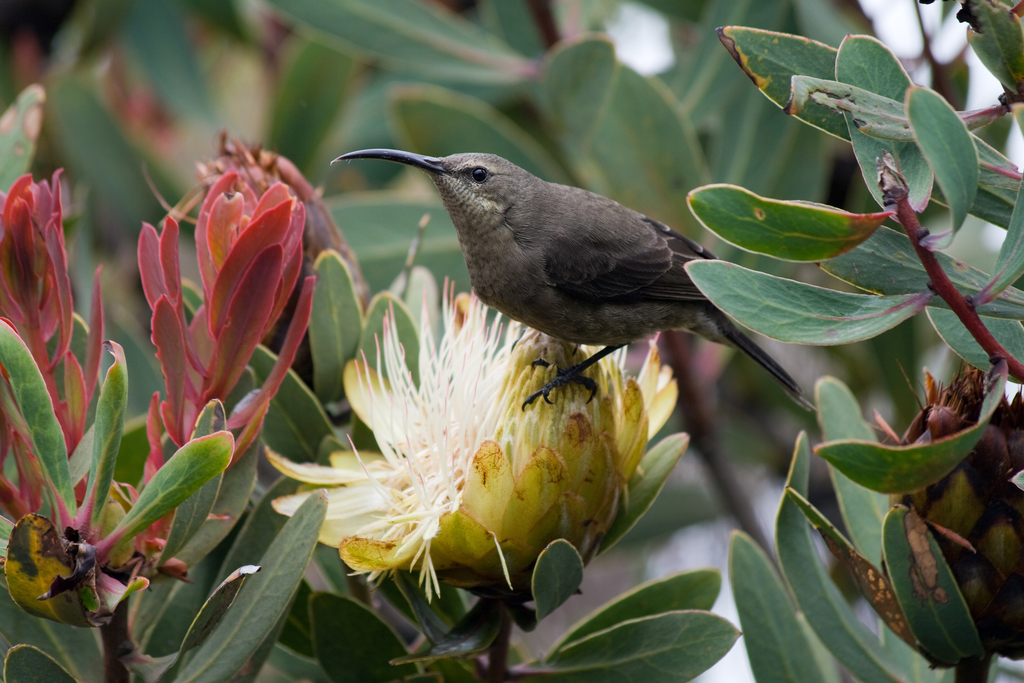
Scarlet-tufted Malachite Sunbirds thrive in the high-altitude Afro-alpine moorlands of East Africa, frequently associated with giant lobelias and groundsel trees. Breeding males show off metallic green plumage, long central tail feathers, and brilliant red pectoral tufts used during energetic territorial displays. Females build compact cup nests lined with fine plant down to protect eggs against freezing alpine nights.
Afro-alpineNectar-feederIridescent
—observations
—countries
—peak records
Least ConcernConservation statusIUCN Red List categoriesLCNTVUENCREWEXLeast ConcernRed List categories, explained →
Diet & preyFloral nectar, Small insects, Spiders
Predators
- Raptors
- Shrikes
- Small carnivores
ThreatsClimate change shifting alpine vegetation zones, local habitat degradation
HabitatsAfro-alpine moorlands, heathlands, giant lobelia zones
Life span5–8 years
Classification
- FamilyNectariniidae
- SpeciesNectarinia johnstoni
Range data is not available yet.
Interaction riskLow
- Low
- Moderate
- High
- Very high
- Why interaction risk is low
- Safe to observe at a normal distance.
- What to notice
- Recognize males by their iridescent emerald bodies, long tail streamers, and red chest patches.
- Support conservation
- Observe from established trails to avoid disturbing nesting pairs and trampling sensitive alpine flora.
Responsible observation
- Spotting: Look for males perched high on giant lobelia flower spikes early in the morning.
- Etiquette: Remain on established alpine trails to avoid damaging fragile high-altitude moorland vegetation.
 Image unavailable
Competitor 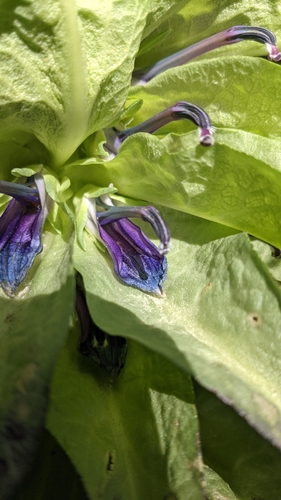
Host Plant no rights reserved, uploaded by Quinn Campbell · cc0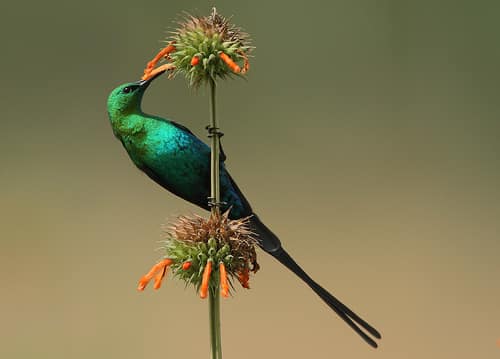
Close Relative (c) Steve Garvie, some rights reserved (CC BY-SA) · cc-by-sa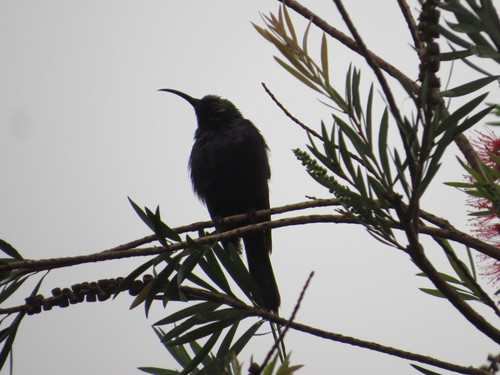
Close Relative (c) Leonel Roget, some rights reserved (CC BY) · cc-by
Help improve the field guideSomething wrong?
Checking your Fauna account…Report a name, category, or profile issue for review.