
Bird
Eastern Wood-Pewee
Contopus virensAlso known as Wood Pewee, Eastern Pewee
Eastern Wood-Pewees spend their summers high in forest canopies, sallying out to snatch flying insects in midair before returning to the same favorite branch. Their mournful, slurred three-part song is a signature sound of eastern deciduous woodlands from late spring through early autumn. Though visually understated with gray-olive plumage and subtle wing bars, their persistent vocalizations make them easy to locate.
SongbirdInsectivoreMigratory
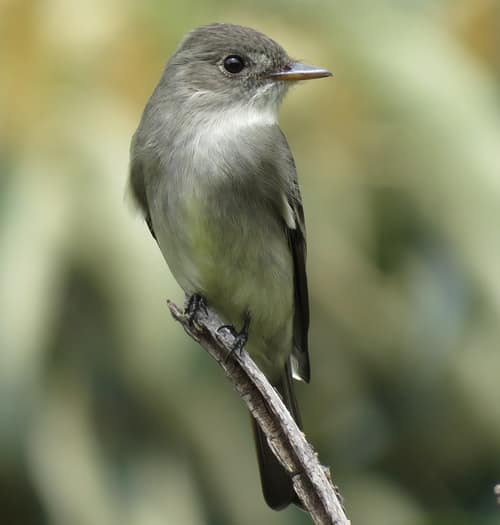
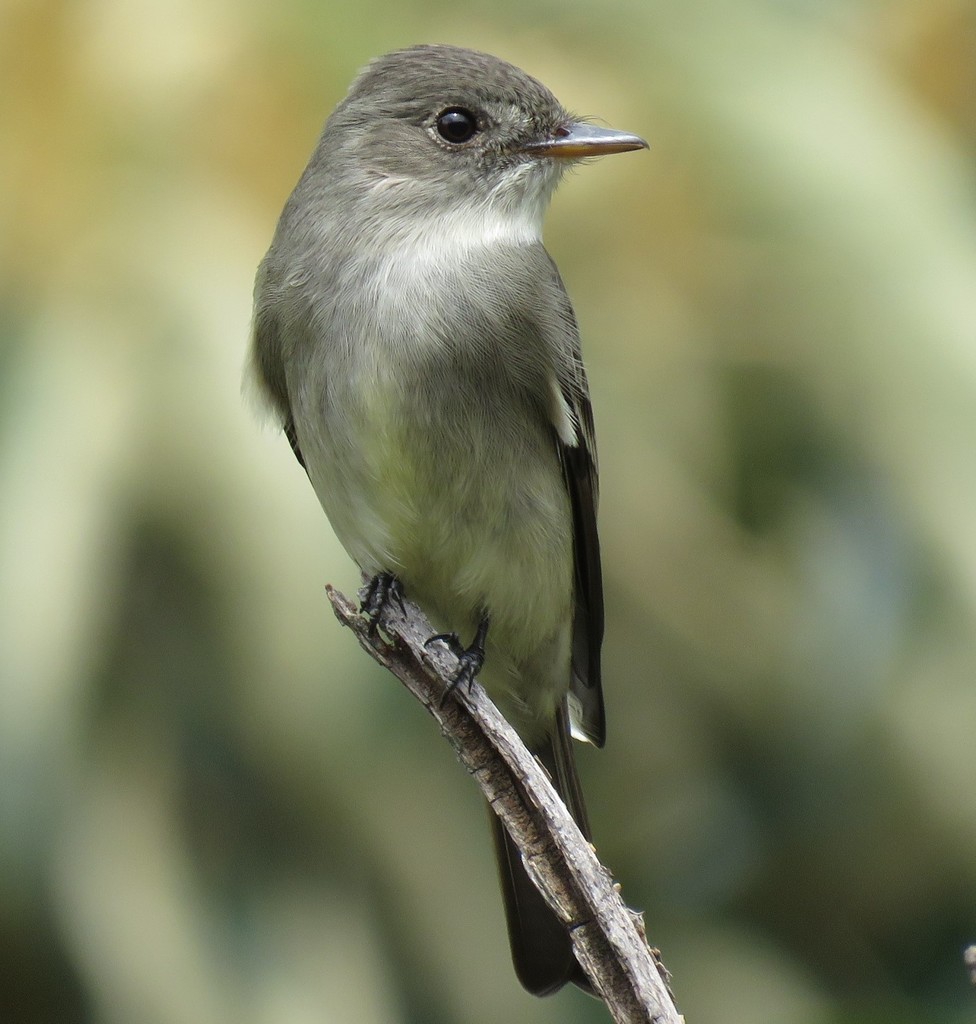
—observations
—countries
—peak records
Least ConcernConservation statusIUCN Red List categoriesLCNTVUENCREWEXLeast ConcernRed List categories, explained →
Diet & preyFlies, Beetles, Bees and wasps
Predators
- Sharp-shinned Hawk
- Cooper's Hawk
- Blue Jay
ThreatsHabitat fragmentation, loss of South American wintering habitat, and insect declines
HabitatsDeciduous and mixed forests, woodland edges, orchards, and mature suburban parks
Life span4 to 7 years
Classification
- FamilyTyrannidae
- SpeciesContopus virens
Range data is not available yet.
Interaction riskLow
- Low
- Moderate
- High
- Very high
- Why interaction risk is low
- Safe to observe at a normal distance.
Responsible observation
- Listen closely: Learn its distinct, unhurried, slurred whistle echoing through the forest canopy.
- Scan dead branches: Look for a small bird perched motionless on bare subcanopy twigs.
- Watch for sallying: Observe its acrobatic flights to catch insects before returning to the same spot.
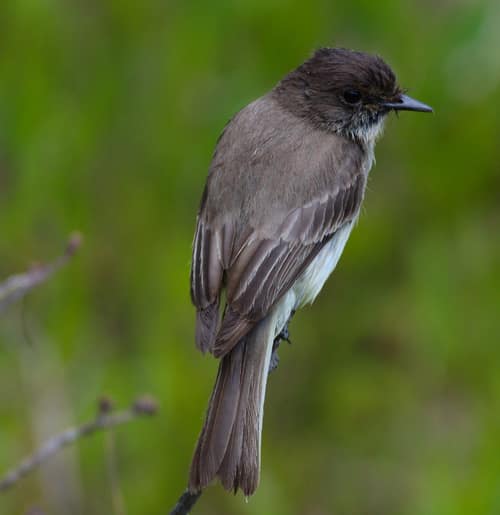
Frequent Companion no rights reserved, uploaded by Mark Connolly · cc0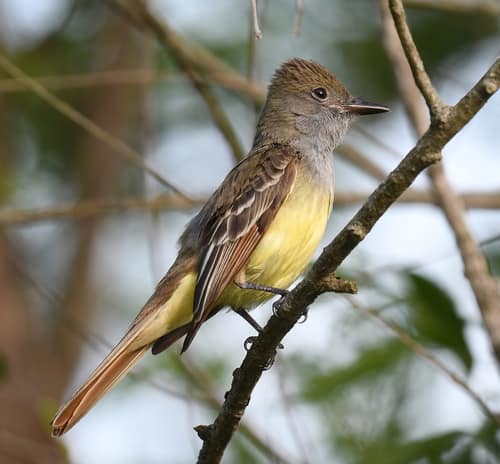
Forest Neighbor no rights reserved, uploaded by Chrissy McClarren and Andy Reago · cc0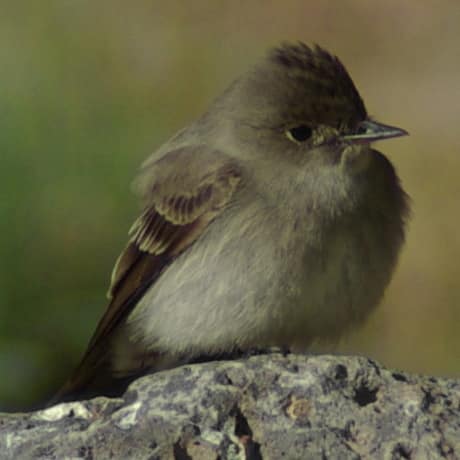
Close Relative (c) JerryFriedman, some rights reserved (CC BY-SA) · cc-by-sa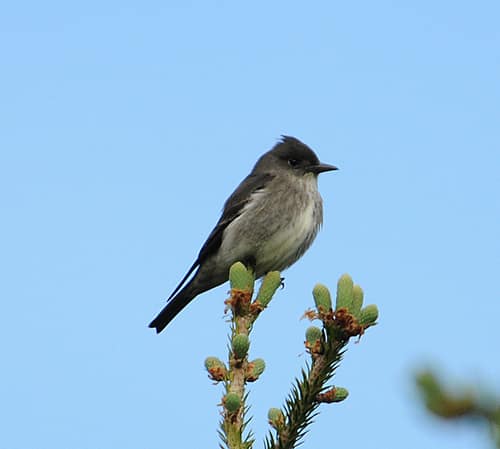
Genus Relative (c) Todd Boland, some rights reserved (CC BY), uploaded by Todd Boland · cc-by
Help improve the field guideSomething wrong?
Checking your Fauna account…Report a name, category, or profile issue for review.