
Bird · GBIF taxon 5229204
Scarlet Ibis
Eudocimus ruberAlso known as Red Ibis, Guará
Scarlet ibises are among the most vividly colored wading birds in the world, deriving their brilliant crimson plumage from carotene-rich crustacean diets in coastal mangroves and mudflats. They nest in large, noisy colonies in mangrove swamps, constructing flimsy stick platforms high above high tide lines. During low tide, flock members forage together in soft sediment using their long, curved bills to probe for small crabs and aquatic invertebrates.
Wading BirdColorfulCoastal
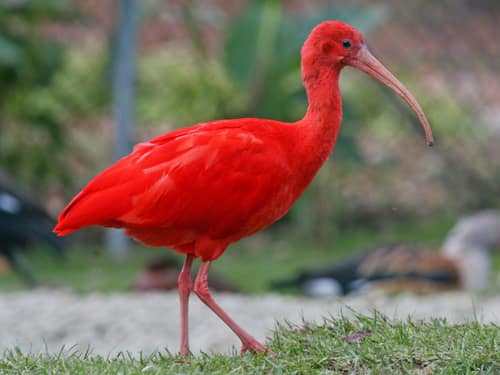
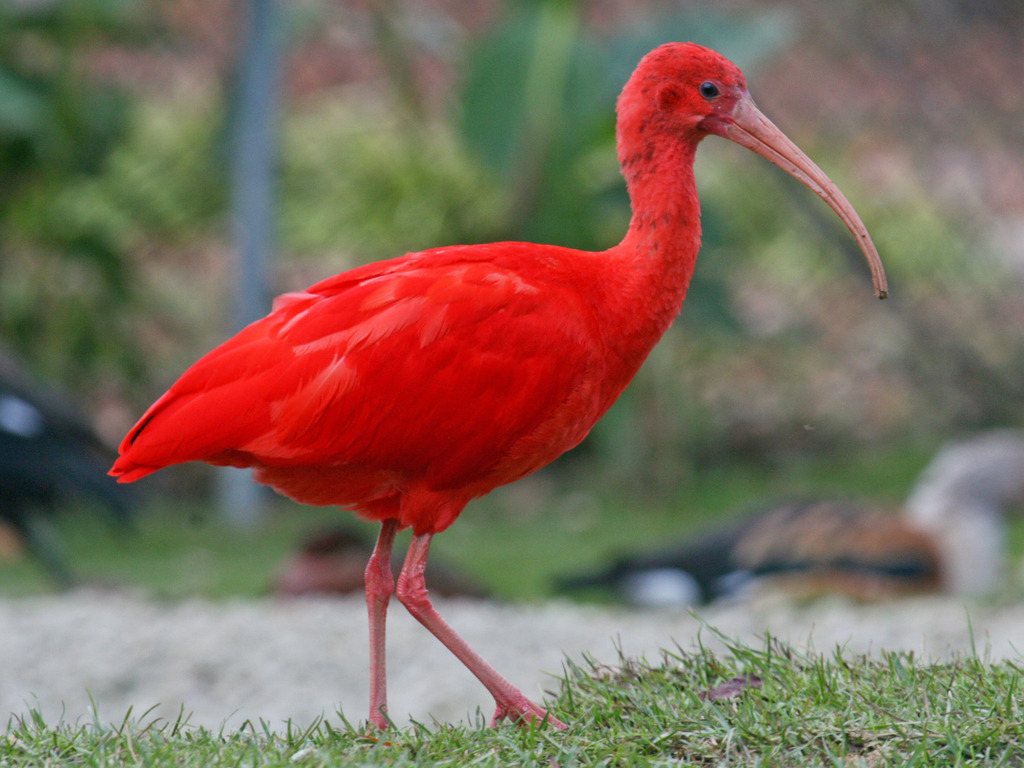
—observations
—countries
—peak records
Least ConcernConservation statusIUCN Red List categoriesLCNTVUENCREWEXLeast ConcernRed List categories, explained →
Diet & prey
- Fiddler Crabs
- Shrimp
- Aquatic Insects
Predators
- Raptors
- Large Anacondas
- Caimans
ThreatsHabitat loss, mangrove degradation, poaching, pollution
HabitatsCoastal mangroves, mudflats, estuaries, wetlands
Life span15–20 years in the wild
Classification
- FamilyThreskiornithidae
- SpeciesEudocimus ruber
Range data is not available yet.
Interaction riskLow
- Low
- Moderate
- High
- Very high
- Why interaction risk is low
- Safe to observe at a normal distance.
- What to notice
- Recognize their loud communal colonies by dense aggregations of bright crimson birds in coastal mangrove trees.
- Support conservation
- Keep boats and foot traffic at least 100 meters away from nesting mangrove keys during the breeding season.
Responsible observation
- Best Viewing: Look for foraging flocks on coastal mudflats during low tide.
- Maintain Distance: Avoid approaching nesting colonies in mangroves to prevent flock disturbance.
- Binocular Use: Use optics to observe their distinctive curved bill probing behavior without spooking them.
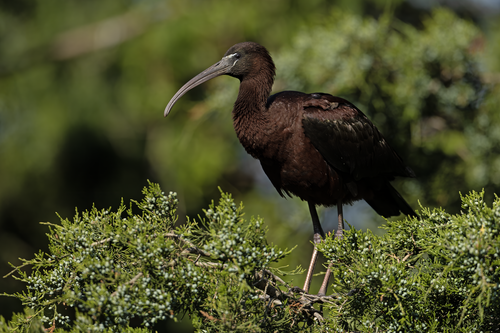
Co-occurring Species Chuck Homler, Focus On Wildlife / CC BY-SA 4.0 · cc-by-sa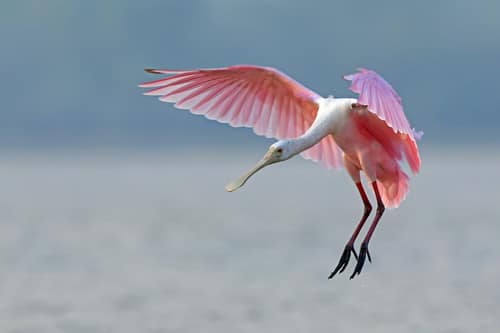
Frequent Companion (c) Nigel Voaden, some rights reserved (CC BY) · cc-by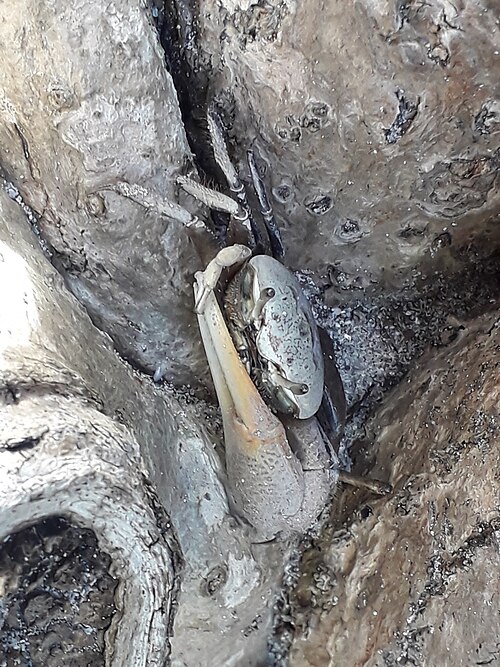
Primary Prey Tommy Andriollo / CC BY 4.0 · cc-by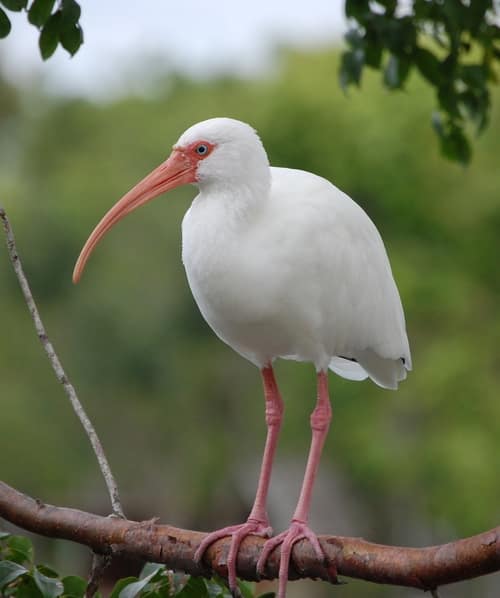
Close Relative (c) unnormalized, some rights reserved (CC BY-SA) · cc-by-sa
Help improve the field guideSomething wrong?
Checking your Fauna account…Report a name, category, or profile issue for review.