
Bird
White Ibis
Eudocimus albusAlso known as American White Ibis
American white ibises wade in large groups through shallow coastal wetlands and inland parks, probing muddy sediment with long, decurved red bills to detect prey by touch rather than sight. Their bright crimson facial skin and legs deepen during the breeding season, when massive colonies assemble in mangrove forests and swamp treetops. Nesting success hinges on freshwater conditions, as parents depend on shallow, flooded marshes to gather abundant crayfish and crabs for growing chicks.
Wading BirdCoastalSocial
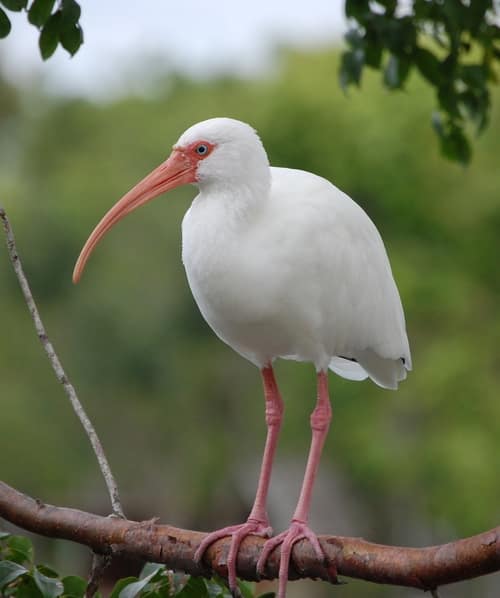

—observations
—countries
—peak records
Least ConcernConservation statusIUCN Red List categoriesLCNTVUENCREWEXLeast ConcernRed List categories, explained →
Diet & preyCrayfish, Fiddler Crabs, Aquatic Insects
Predators
- American Alligator
- Bald Eagle
- Raccoon
ThreatsWetland drainage, coastal development, water pollution, altered hydrology
HabitatsCoastal marshes, mangrove swamps, flooded pastures, lagoons, suburban lawns
Life span15–20 years
Classification
- OrderPelecaniformes
- FamilyThreskiornithidae
- GenusEudocimus
- SpeciesEudocimus albus
Range data is not available yet.
Interaction riskLow
- Low
- Moderate
- High
- Very high
- Why interaction risk is low
- Safe to observe from a respectful distance.
Responsible observation
- Observe Foraging: Watch flocks sweeping their curved bills side to side through shallow water or damp turf.
- Give Space at Nest Sites: Keep a quiet distance from breeding colonies in trees or mangroves to avoid nest abandonment.
- Avoid Feeding: Do not offer bread or hand food, which disrupts natural foraging habits and diet balance.

Co-habitant (c) Jessica, some rights reserved (CC BY) · cc-by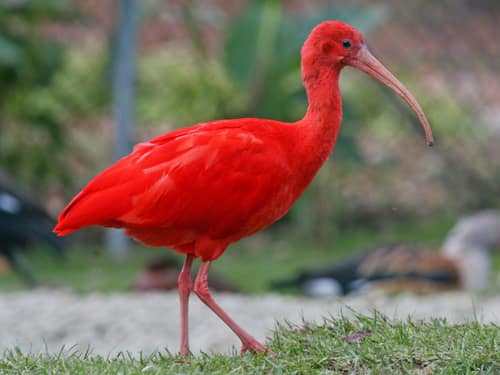
Close Relative (c) Dick Daniels, some rights reserved (CC BY-SA) · cc-by-sa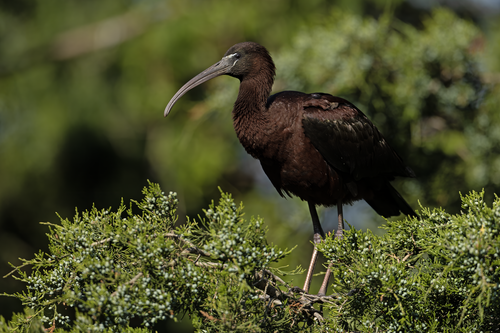
Family Relative Chuck Homler, Focus On Wildlife / CC BY-SA 4.0 · cc-by-sa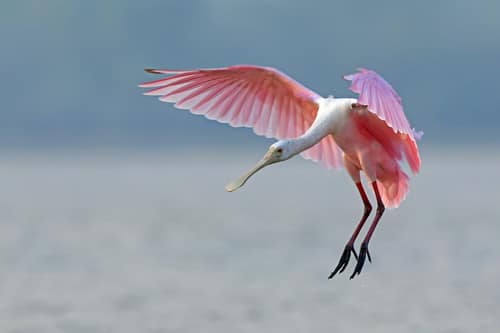
Family Relative (c) Nigel Voaden, some rights reserved (CC BY) · cc-by
Help improve the field guideSomething wrong?
Checking your Fauna account…Report a name, category, or profile issue for review.