
Bird · GBIF taxon 5229203
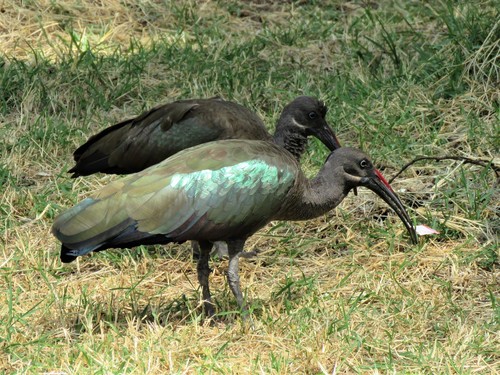
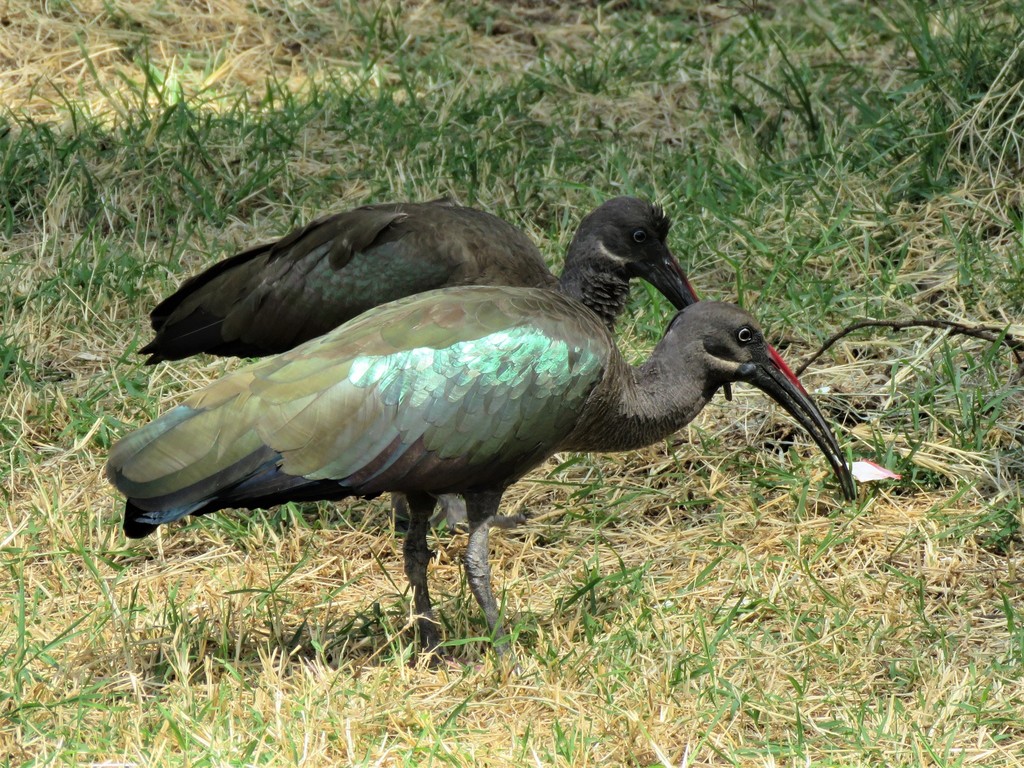
Hadada Ibis
Bostrychia hagedashAlso known as Hadeda, Hadeda Ibis
Hadada ibises are renowned for their raucous, bugling flight calls that reverberate across African suburbs at dawn and dusk. Equipped with specialized sensory pits near the tips of their decurved bills, they probe damp turf and mud to seize earthworms and beetle grubs hidden underground. Their remarkable tolerance for human activity has fueled a massive range expansion into well-watered residential parks, gardens, and golf courses.
VocalSub-SaharanUrban Wildlife
—observations
—countries
—peak records
Least ConcernConservation statusIUCN Red List categoriesLCNTVUENCREWEXLeast ConcernRed List categories, explained →
Diet & prey
- Earthworms
- Beetle Larvae
- Snails
Predators
- Martial Eagle
- African Fish Eagle
- Domestic Dog
ThreatsPesticide toxicity, collisions with power lines, and occasional persecution as a noise nuisance
HabitatsWooded savannas, grasslands, marshes, suburban gardens, and agricultural land
Life span15–20 years
Size / weightNot available
Classification
- OrderPelecaniformes
- FamilyThreskiornithidae
- GenusBostrychia
- SpeciesBostrychia hagedash
Range data is not available yet.
Interaction riskLow
- Low
- Moderate
- High
- Very high
- Why interaction risk is low
- Safe to observe at a normal distance.
Responsible observation
- Lawn Foraging: Watch open lawns closely after rain or sprinkler irrigation when ibises emerge to probe for worms.
- Dawn Chorus: Listen overhead at sunrise for their loud, echoing flight calls as flocks depart communal roost trees.
 Image unavailable
Same Genus Same Genus 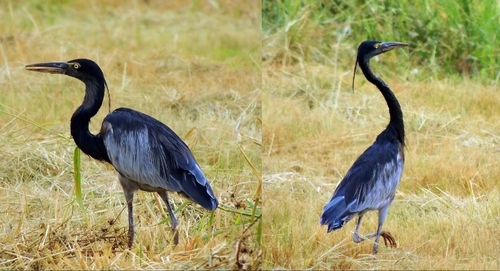
Frequent Companion (c) i_c_riddell, some rights reserved (CC BY), uploaded by i_c_riddell · cc-by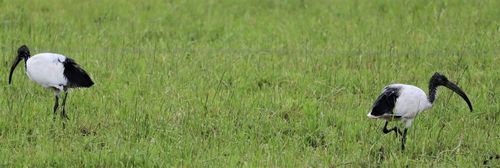
Family Member no rights reserved · cc0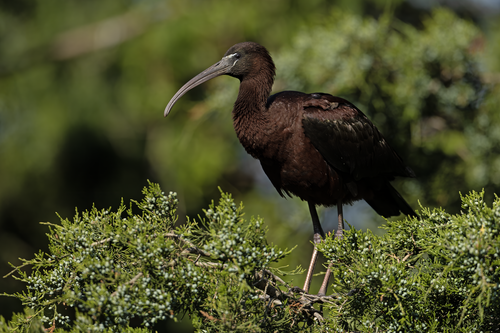
Family Member Chuck Homler, Focus On Wildlife / CC BY-SA 4.0 · cc-by-sa
Help improve the field guideSomething wrong?
Checking your Fauna account…Report a name, category, or profile issue for review.