
Bird · GBIF taxon 5229165
Cinereous Vulture
Aegypius monachusAlso known as Black Vulture, Eurasian Black Vulture, Monk Vulture
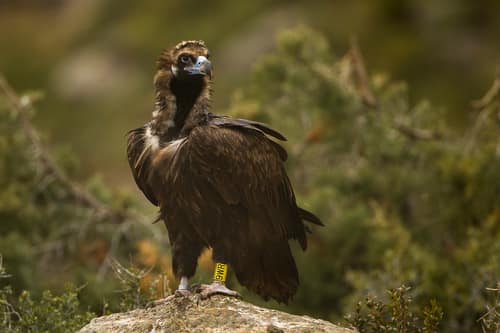
Cinereous vultures soar on broad, rectangular wings over vast Eurasian steppes and rugged mountain ranges, scanning the landscape for mammalian carcasses. As dominant scavengers at feeding sites, their immense size and powerful bills allow them to tear open tough hides and displace smaller raptors. Breeding pairs construct monumental stick nests atop old-growth trees or isolated cliff ledges, returning to reuse and expand them year after year.
RaptorScavengerLarge Wildlife
—observations
—countries
—peak records
Near ThreatenedConservation statusIUCN Red List categoriesLCNTVUENCREWEXNear ThreatenedRed List categories, explained →
Diet & prey
- Mammal carcasses
- Livestock carrion
- Small vertebrates
Predators
Not available
ThreatsPoisoned livestock bait, habitat loss, power line collisions, lead poisoning
HabitatsMountain ranges, steppe, open woodlands, semi-deserts
Life span20–30 years in the wild
Size / weightNot available
Classification
- FamilyAccipitridae
- SpeciesAegypius monachus
Range data is not available yet.
Interaction riskLow
- Low
- Moderate
- High
- Very high
- Why interaction risk is low
- Capable of delivering severe bites if cornered or handled; observe from a safe distance.
- What to notice
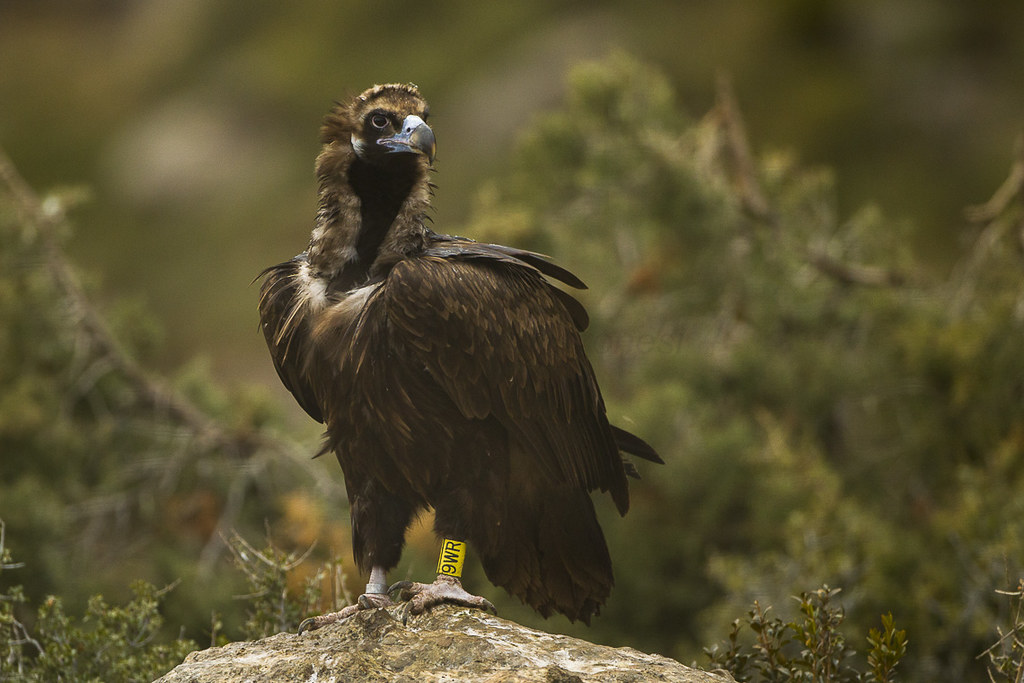
- Recognize this massive dark brown raptor by its broad rectangular wings, pale head skin, and bluish bill.
- Support conservation
- Observe breeding cliffs and nest trees from at least 300 meters away with high-powered optics.
Responsible observation
- Distanced viewing: Use a field spotting scope to watch nesting sites from adjacent ridges without causing nest abandonment.
- Drive carefully: Slow down on remote mountain roads where vultures may assemble to feed on roadkill.
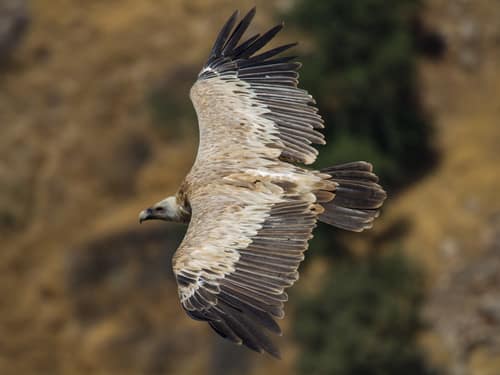
Co-occurring Scavenger (c) Вых Пыхманн, some rights reserved (CC BY-SA) · cc-by-sa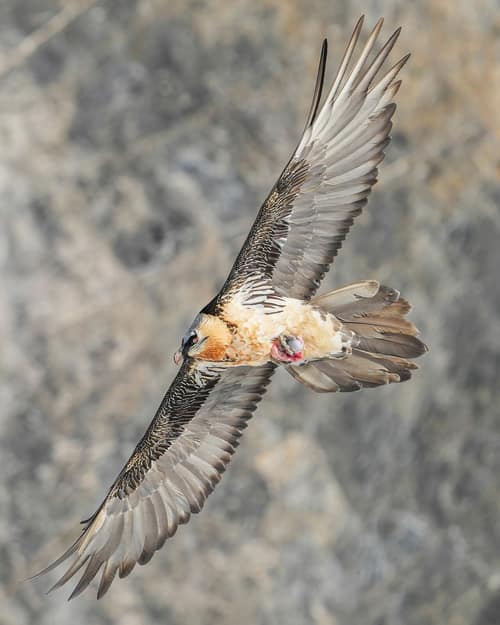
Co-occurring Scavenger Giles Laurent / CC BY-SA 4.0 · cc-by-sa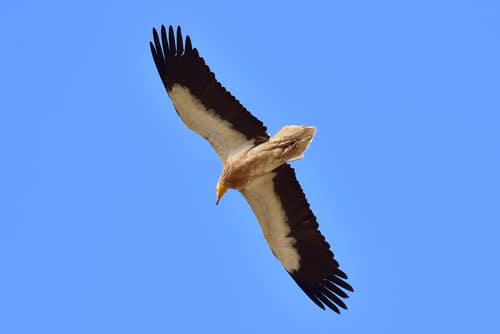
Co-occurring Scavenger (c) Kudaibergen Amirekul, some rights reserved (CC BY-SA), uploaded by Kudaibergen Amirekul · cc-by-sa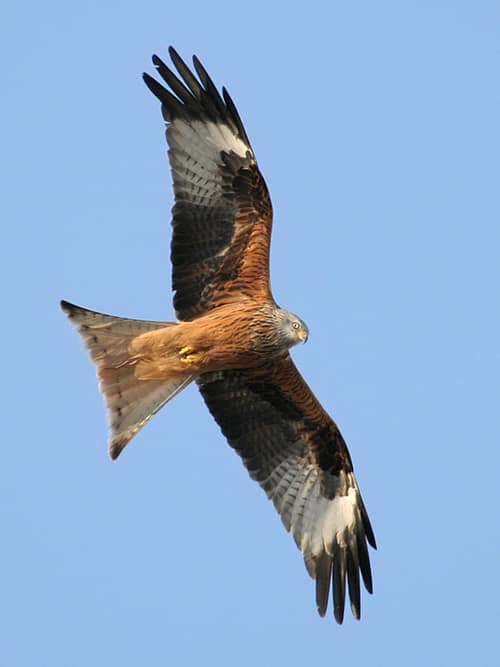
Close Relative Thomas Kraft (ThKraft) / CC BY-SA 2.5 · cc-by-sa
Help improve the field guideSomething wrong?
Checking your Fauna account…Report a name, category, or profile issue for review.