
Bird · GBIF taxon 5229157
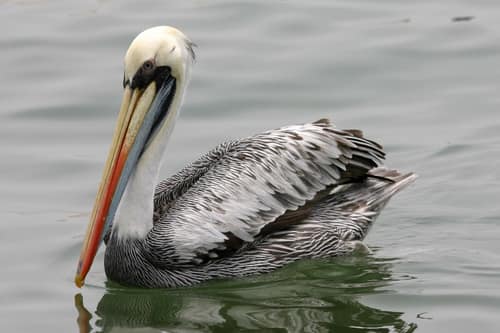
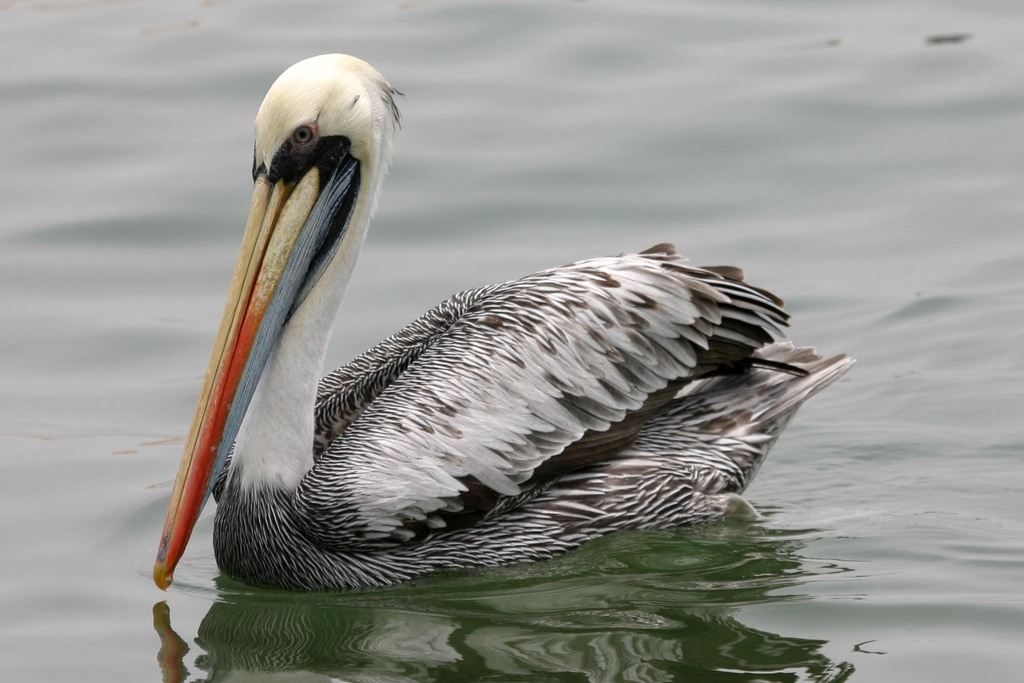
Peruvian Pelican
Pelecanus thagusAlso known as Peruvian Brown Pelican
Peruvian pelicans patrol the nutrient-rich Humboldt Current, plummeting headfirst into crashing surf to engulf shoals of anchoveta in their cavernous throat pouches. Breeding adults display striking blue facial skin and pale crests, forming boisterous cliffside colonies along arid coastal headlands. Their breeding success fluctuates dramatically with cyclical El Niño events, which warm upwelling currents and disperse the schooling fish essential for feeding chicks.
CoastalColonialPiscivore
 1 / 7
1 / 7—observations
—countries
—peak records
Near ThreatenedConservation statusIUCN Red List categoriesLCNTVUENCREWEXNear ThreatenedRed List categories, explained →
Diet & prey
- Peruvian Anchoveta
- Pacific Sardine
- Mackerel
Predators
- South American Sea Lion
- Kelp Gull
- Andean Condor
ThreatsEl Niño Southern Oscillation warming events, commercial overfishing of prey stocks, and human disturbance at nesting grounds
HabitatsArid coastal cliffs, rocky offshore guano islands, sheltered bays, and productive upwelling marine waters
Life span15–25 years
Classification
- FamilyPelecanidae
- SpeciesPelecanus thagus
Range data is not available yet.
Interaction riskLow
- Low
- Moderate
- High
- Very high
- Why interaction risk is low
- Maintains distance naturally; can snap powerfully with hooked bills if cornered or handled.
- Why it is dangerous
- Possesses a large, heavy bill armed with a sharp terminal hook that can slice skin and cause bruising during defensive lunges.
- How to recognize a risky encounter
- Distinguished by immense body mass, dark brownish plumage, white neck striping, and a pale yellow pouch.
- What to do
- Give roosting birds ample space and never attempt to handle grounded individuals without trained wildlife rescue gear.
- What to notice
- Recognized by its colonial roosts on barren offshore guano islands and arid headlands along the Pacific coast.
- Support conservation
- Refrain from operating watercraft or flying drones near island nesting bluffs to keep parents from abandoning eggs.
Responsible observation
- Dock Etiquette: Watch them loaf near artisanal fishing harbors, but never feed them scraps to prevent habituation and bill injuries.
- Colony Distance: Use binoculars from coastal viewpoints to avoid flushing nesting pairs off precarious cliff ledges.
- Wave Watching: Scan breaking surf at dawn to view coordinated flocks gliding inches above oceanic swells.
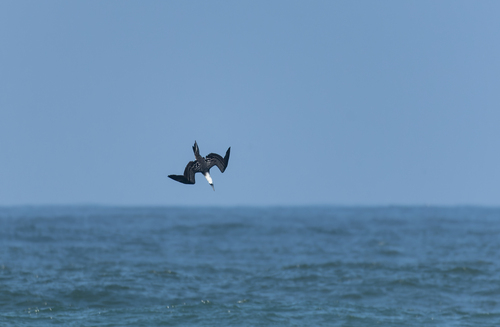
Frequent Companion (c) David F. Belmonte, some rights reserved (CC BY) · cc-by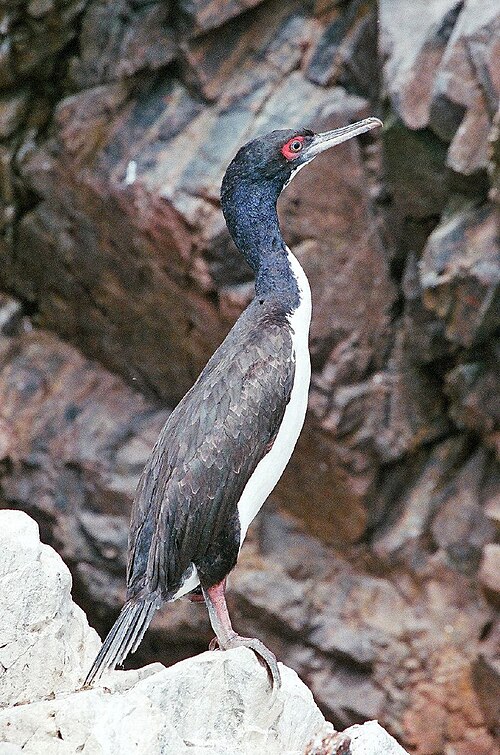
Competitor Bruno Girin from London, United Kingdom / CC BY-SA 2.0 · cc-by-sa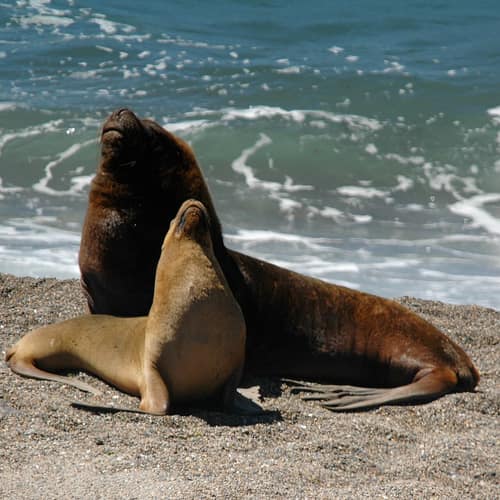
Predator Vince Smith / CC BY-SA 2.0 · cc-by-sa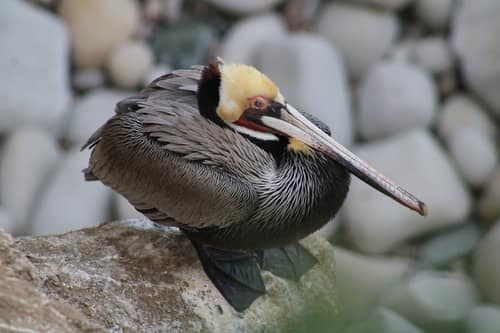
Close Relative (c) Henrik Kibak, some rights reserved (CC BY), uploaded by Henrik Kibak · cc-by
Help improve the field guideSomething wrong?
Checking your Fauna account…Report a name, category, or profile issue for review.