
Bird · GBIF taxon 5229156
Australian Pelican
Pelecanus conspicillatusAlso known as Spectacled Pelican
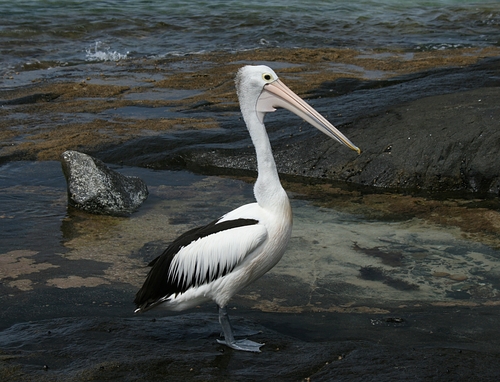
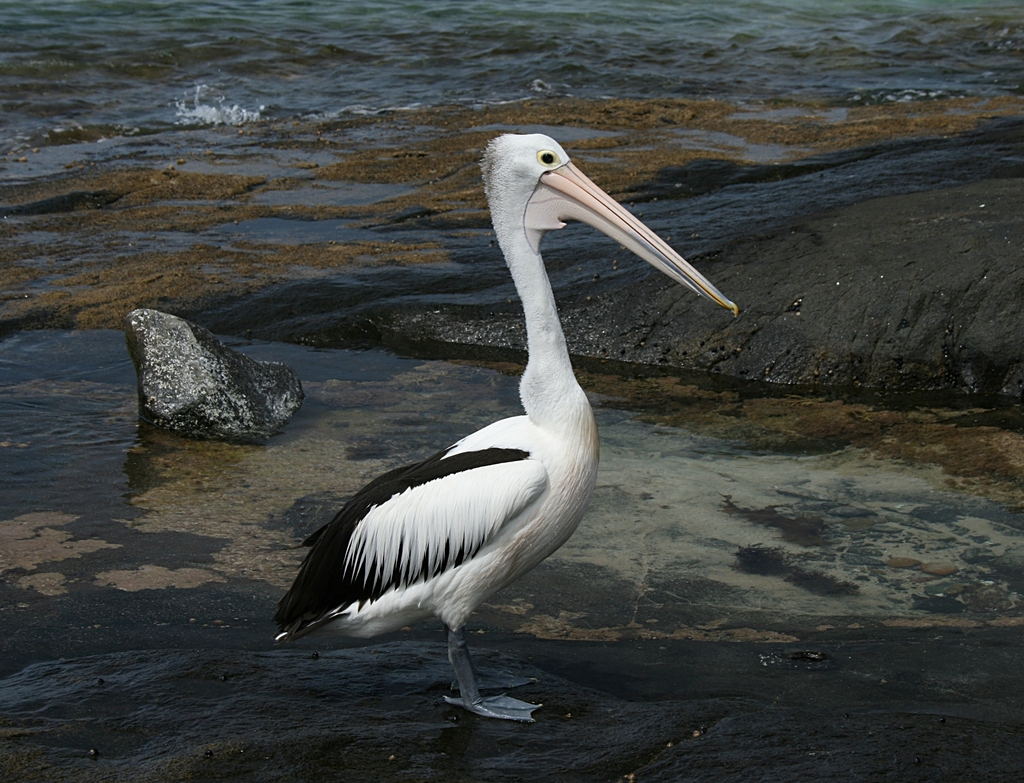
Australian pelicans command coastal waterways and desert lakes alike, using massive pink pouches to scoop up to 13 liters of water and prey in a single plunge. When rare heavy rains flood inland basins like Lake Eyre, hundreds of thousands migrate across the continent for synchronized breeding events. Their record-breaking bill, reaching up to 50 centimeters in length, features a sharp terminal hook useful for securing slippery fish.
WaterbirdCoastalSocial
—observations
—countries
—peak records
Least ConcernConservation statusIUCN Red List categoriesLCNTVUENCREWEXLeast ConcernRed List categories, explained →
Diet & prey
- Fish
- Crustaceans
- Aquatic Birds
Predators
- Dingoes
- Feral Cats
- Sea Eagles
ThreatsEntanglement in discarded fishing gear, habitat degradation, and breeding colony disturbance
HabitatsEstuaries, coastal bays, rivers, lakes, and temporary inland wetlands
Life span10–25 years
Classification
- OrderPelecaniformes
- FamilyPelecanidae
- GenusPelecanus
- SpeciesPelecanus conspicillatus
Range data is not available yet.
Interaction riskLow
- Low
- Moderate
- High
- Very high
- Why interaction risk is low
- Capable of defensive snaps with its hooked bill; maintain a safe distance.
- Why it is dangerous
- Equipped with a massive bill topped by a sharp downward hook capable of inflicting deep scratches or severe jabs if cornered.
- How to recognize a risky encounter
- Recognizable by its predominantly white body, black wing tips, yellow eye-rings, and enormously long pink bill.
- What to do
- Keep at least 10 meters away on boat ramps and beaches, and never attempt to hand-feed wild birds.
Responsible observation
- Observation: Look for soaring flocks utilizing thermal updrafts to travel vast distances efficiently.
- Ethical Distance: Give nesting islands a wide berth, as human intrusion causes adults to abandon eggs.
- Fishing Gear Safety: Dispose of fishing line and hooks properly to prevent severe limb or pouch entanglements.
 Image unavailable
Frequent Companion 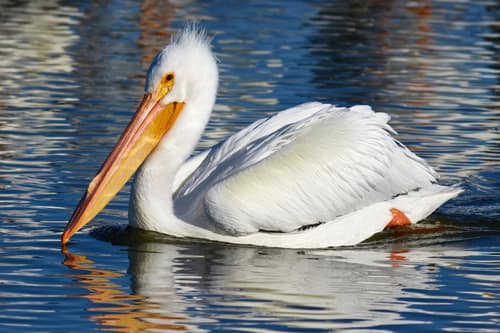
Close Relative (c) Frank Schulenburg, some rights reserved (CC BY-SA) · cc-by-sa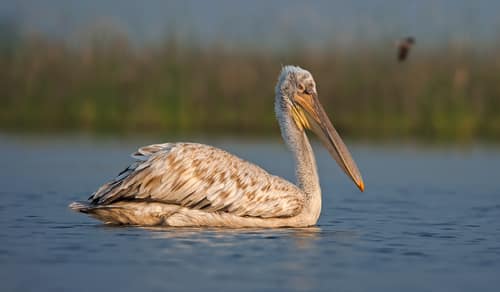
Close Relative (c) vaidyarupal, some rights reserved (CC BY) · cc-by
Help improve the field guideSomething wrong?
Checking your Fauna account…Report a name, category, or profile issue for review.