
Bird · GBIF taxon 5228816
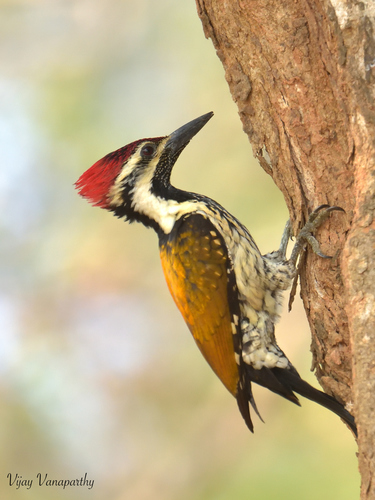
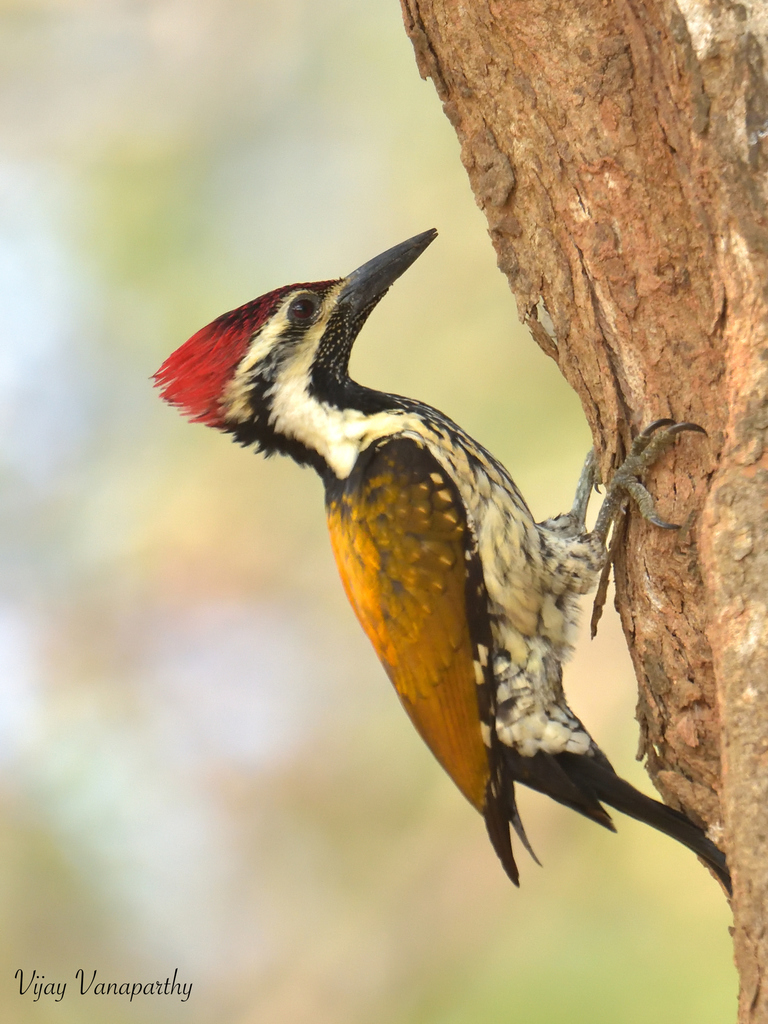
Black-rumped Flameback
Dinopium benghalenseAlso known as Lesser Golden-backed Woodpecker, Lesser Goldenback
Black-rumped flamebacks bound across tree trunks with an energetic hitching motion, probing bark fissures for ants and insect larvae. Pairs frequently announce their presence with a sharp, whinnying rattle as they swoop in bounding, undulating flight between canopy perches. Readily adapting to human-modified landscapes, they are among the most familiar woodpeckers in South Asian city gardens, orchards, and roadside avenue trees.
VocalColorfulArboreal
 1 / 7
1 / 7—observations
—countries
—peak records
Least ConcernConservation statusIUCN Red List categoriesLCNTVUENCREWEXLeast ConcernRed List categories, explained →
Diet & prey
- Weaver ants
- Beetle larvae
- Termites
Predators
- Shikra
- Besra
- Oriental Rat Snake
ThreatsRemoval of dead trees and old-growth nesting snags, along with pesticide use reducing insect prey
HabitatsOpen deciduous forests, scrublands, plantations, parks, and urban gardens
Life span6–10 years
Size / weightNot available
Classification
- FamilyPicidae
- SpeciesDinopium benghalense
Range data is not available yet.
Interaction riskLow
- Low
- Moderate
- High
- Very high
- Why interaction risk is low
- Safe to observe at a normal distance.
Responsible observation
- Listen for Calls: Track down feeding birds by their shrill, whinnying flight rattles echoing through open groves.
- Inspect Large Trees: Search the lower trunks of mature mango, neem, or coconut trees where they forage methodically.
- Watch the Rump: Distinguish this bird from similar golden woodpeckers by spotting its distinct solid black lower back.
 Image unavailable
Look-alike Neighbor 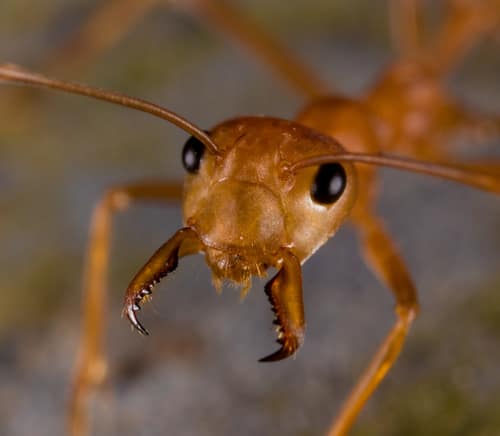
Prey (c) portioid, some rights reserved (CC BY), uploaded by portioid · cc-by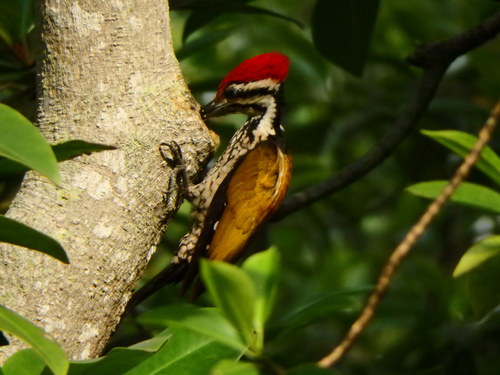
Close Relative (c) Samuel Lee, some rights reserved (CC BY) · cc-by
Help improve the field guideSomething wrong?
Checking your Fauna account…Report a name, category, or profile issue for review.