
Bird
Black-and-white-casqued Hornbill
Bycanistes subcylindricusAlso known as Grey-cheeked Hornbill, Grey-cheeked Casqued Hornbill
Black-and-white-casqued hornbills fill central and western African rainforests with heavy, swooping flight that produces a distinctive roaring whoosh from unfeathered feather bases. Breeding pairs seal the female inside a tree cavity using mud and feces, leaving only a tiny slit where the male feeds her and their chicks for months. These noisy, social birds play a crucial role in forest regeneration by dispersing large fruit seeds across the canopy.
Canopy DwellerFrugivoreLoud Wingbeats
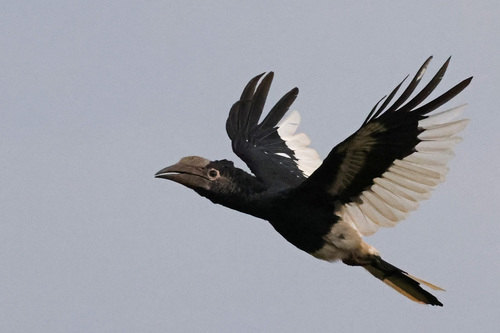
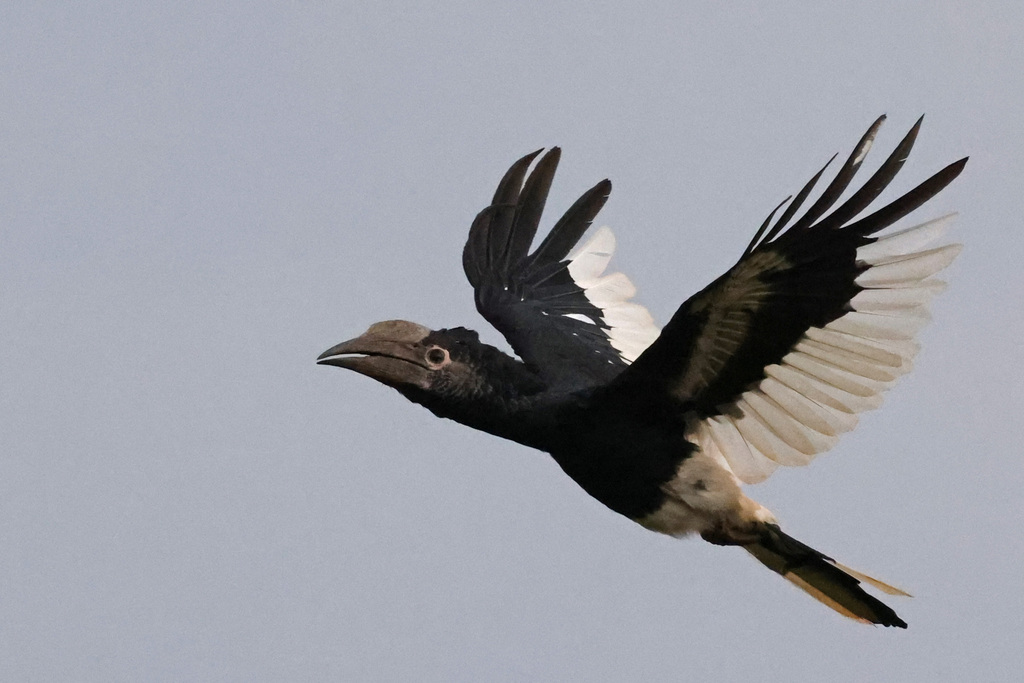
—observations
—countries
—peak records
Least ConcernConservation statusIUCN Red List categoriesLCNTVUENCREWEXLeast ConcernRed List categories, explained →
Diet & preyFigs, Insects, Tree Frogs
Predators
- Crowned Eagles
- African Rock Pythons
- Chimpanzees
ThreatsDeforestation, loss of large nesting trees, hunting
HabitatsEvergreen tropical rainforests, mature gallery forests, dense riverine woodlands
Life span15–30 years
Classification
- OrderBucerotiformes
- FamilyBucerotidae
- GenusBycanistes
- SpeciesBycanistes subcylindricus
Range data is not available yet.
Interaction riskLow
- Low
- Moderate
- High
- Very high
- Why interaction risk is low
- Safe to observe at a normal distance.
Responsible observation
- Listen for Wingbeats: Listen for loud, heavy whooshing sounds overhead caused by air moving through unfeathered wing shafts.
- Scan Fruiting Canopy: Look for large black-and-white silhouettes perched high in wild fig trees during early morning hours.
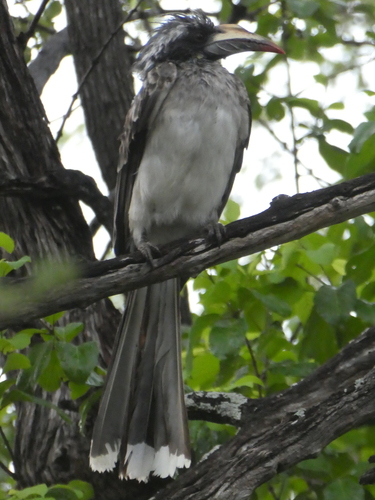
Kinship (c) datadan, some rights reserved (CC BY) · cc-by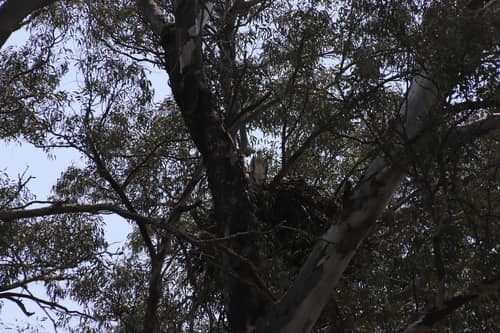
Predator (c) Suvarna Parbhoo Mohan, some rights reserved (CC BY-SA) · cc-by-sa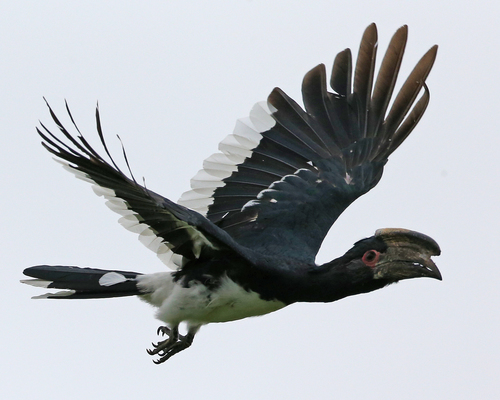
Close Relative (c) Lip Kee, some rights reserved (CC BY-SA) · cc-by-sa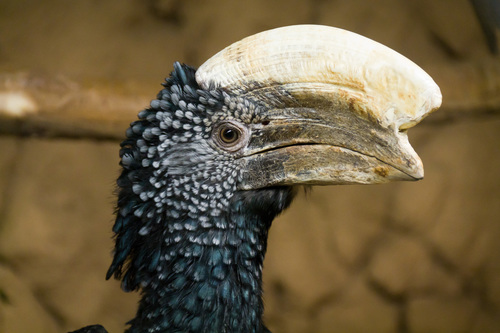
Close Relative (c) AleGranholm, some rights reserved (CC BY) · cc-by
Help improve the field guideSomething wrong?
Checking your Fauna account…Report a name, category, or profile issue for review.