
Bird · GBIF taxon 5228328
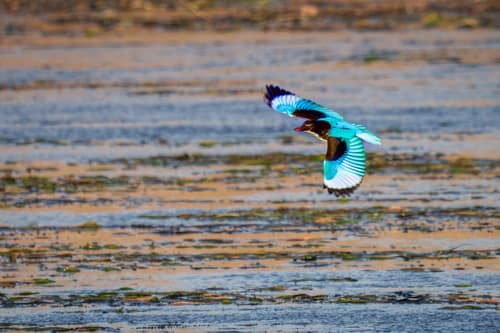
White-throated Kingfisher
Halcyon smyrnensisAlso known as White-breasted Kingfisher, Smyrna Kingfisher
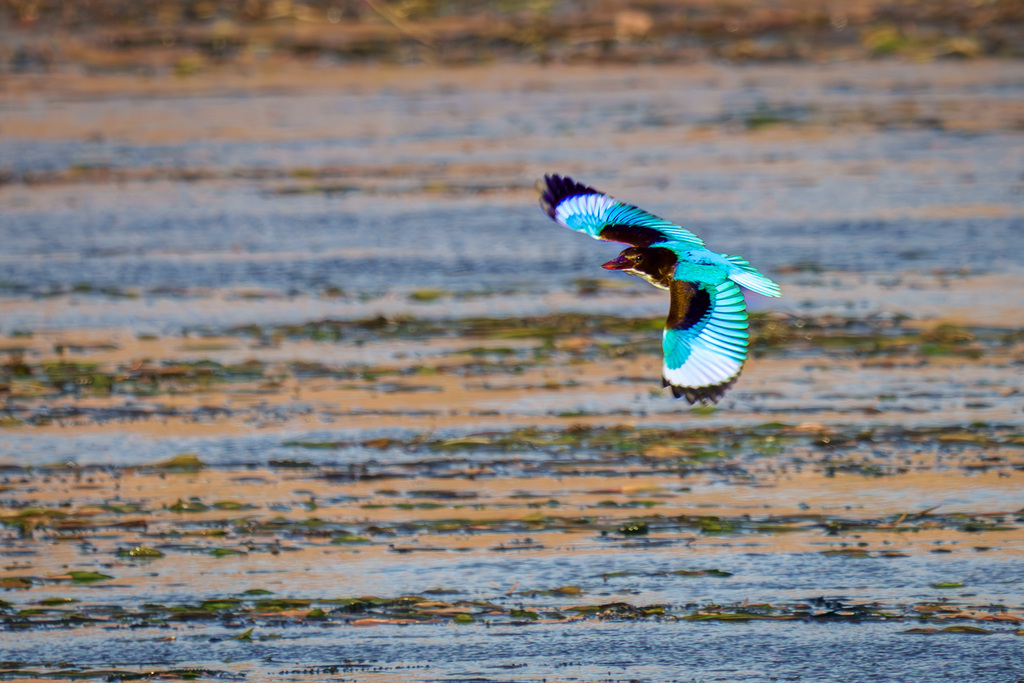
Bright turquoise-blue wings and back contrast strikingly with a deep chocolate-brown head and chest, anchored by a glaring white throat patch and a massive coral-red bill. These assertive tree kingfishers frequently hunt far from open water, perching high on telephone wires, fence posts, or bare branches to scan for movement on the ground. During the spring breeding season, pairs advertise territories with loud, ringing laughter-like calls delivered from prominent perches in both wild and urban settings.
VibrantCarnivorousWidespread
—observations
—countries
—peak records
Least ConcernConservation statusIUCN Red List categoriesLCNTVUENCREWEXLeast ConcernRed List categories, explained →
Diet & prey
- Lizards
- Frogs
- Crabs
Predators
- Raptors
- Snakes
- Domestic cats
ThreatsHabitat destruction, pesticide accumulation, collisions with glass and wires
HabitatsAgricultural land, wetlands, open woodlands, suburban gardens, canal banks
Life span5–10 years
Size / weightNot available
Classification
- FamilyAlcedinidae
- SpeciesHalcyon smyrnensis
Range data is not available yet.
Interaction riskLow
- Low
- Moderate
- High
- Very high
- Why interaction risk is low
- Safe to observe at a normal distance.
Responsible observation
- Perch Watching: Scan overhead wires, fence posts, and high bare branches near open fields or roadside ditches.
- Listen for Calls: Locate individuals by listening for their loud, ringing, descending chatter during early morning hours.
- Keep Distance: Avoid approaching active nest tunnels dug into exposed earthen banks during the breeding season.
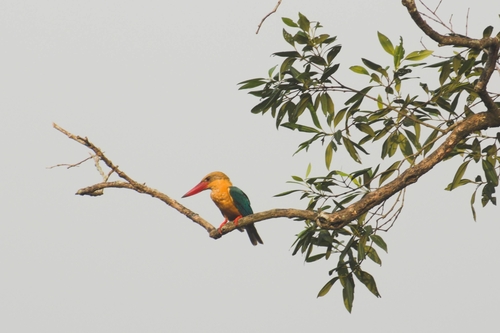
Larger Cousin (c) Huey, some rights reserved (CC BY) · cc-by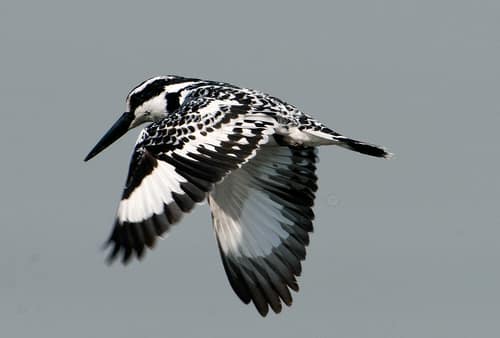
Co-occurring Hunter (c) Koshy Koshy, some rights reserved (CC BY) · cc-by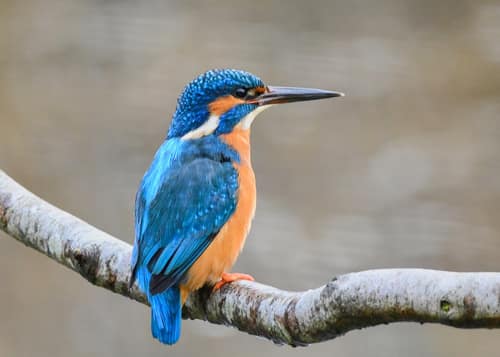
Riverine Relative (c) Frank Sengpiel, some rights reserved (CC BY), uploaded by Frank Sengpiel · cc-by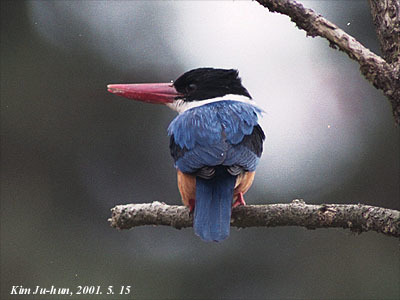
Genus Relative (c) Kim, Hyun-tae, some rights reserved (CC BY), uploaded by Kim, Hyun-tae · cc-by
Help improve the field guideSomething wrong?
Checking your Fauna account…Report a name, category, or profile issue for review.