
Bird · GBIF taxon 5227984
Swinhoe's Pheasant
Lophura swinhoiiAlso known as Taiwan Blue Pheasant
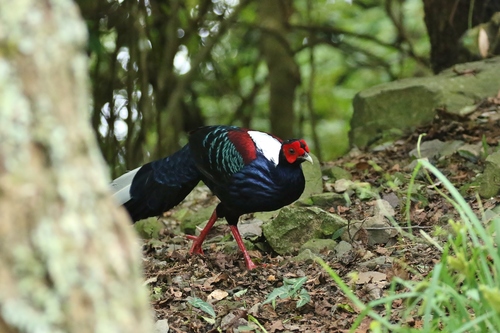
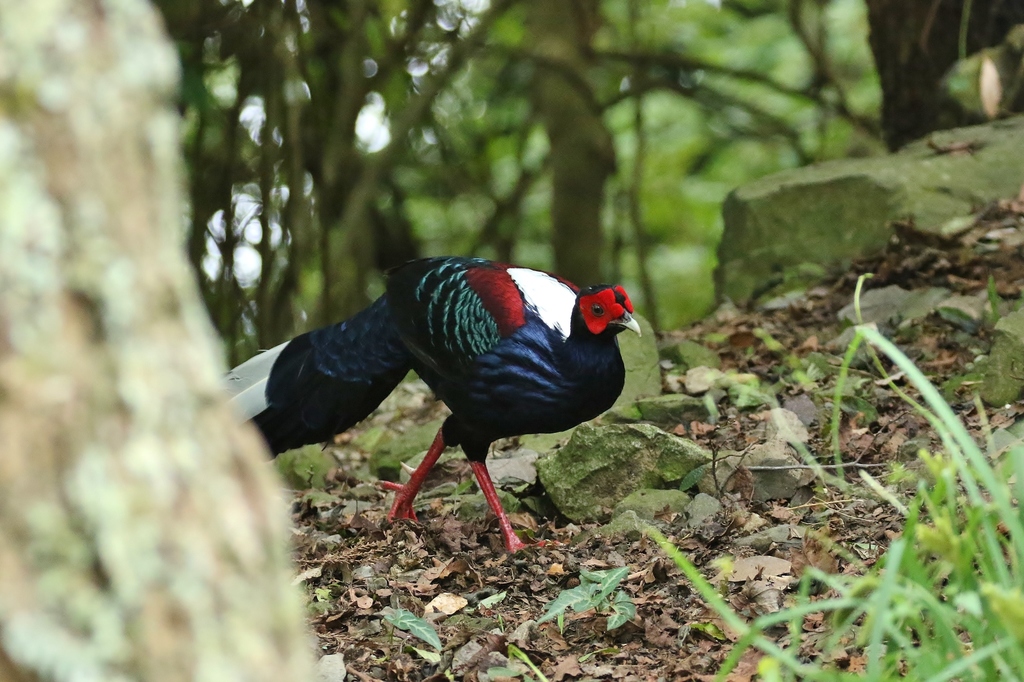
Swinhoe's pheasants tread stealthily across the moist leaf litter of Taiwan's undisturbed broadleaf forests, foraging for fallen acorns, earthworms, and berries. Males put on dramatic courtship displays by puffing up their crimson facial wattles and flashing bright white back patches against brilliant cobalt body feathers. Although secretive by nature, they occasionally venture onto quiet mountain forest trails during early morning mist.
EndemicColorfulGround-dwelling
 1 / 7
1 / 7—observations
—countries
—peak records
Near ThreatenedConservation statusIUCN Red List categoriesLCNTVUENCREWEXNear ThreatenedRed List categories, explained →
Diet & prey
- Acorns
- Earthworms
- Wild berries
Predators
- Formosan black bear
- Crested goshawk
- Gem-faced palm civet
ThreatsHabitat fragmentation, historical overhunting, and introduced predators
HabitatsPrimary and mature secondary broadleaf forest slopes
Life span10–15 years
Size / weightNot available
Classification
- FamilyPhasianidae
- SpeciesLophura swinhoii
Range data is not available yet.
Interaction riskLow
- Low
- Moderate
- High
- Very high
- Why interaction risk is low
- Safe to observe at a normal distance.
- What to notice
- Males feature a brilliant white crest, white upper back patch, and vivid red facial wattles.
- Support conservation
- Remain on designated mountain trails and observe quietly without luring birds with food.
Responsible observation
- Best Viewing Times: Search quiet forest trails at dawn or dusk when birds emerge from cover to forage.
- Observer Distance: Maintain a respectful distance to avoid scaring foraging pairs back into dense brush.
- Photography Etiquette: Avoid flash photography or playing call recordings, which stress breeding birds.
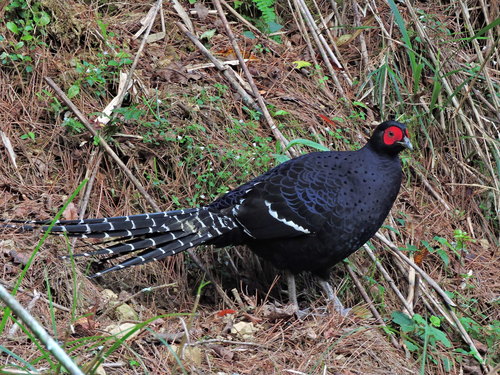
Co-occurring Endemic (c) Jacy Chen, some rights reserved (CC BY), uploaded by Jacy Chen · cc-by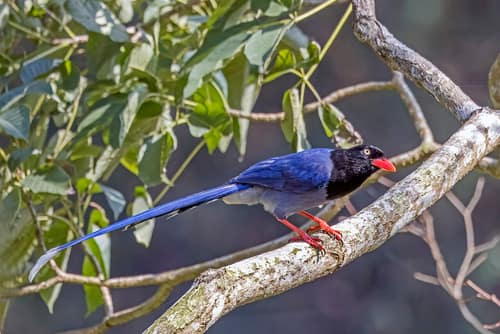
Co-occurring Endemic Charles J. Sharp / CC BY-SA 4.0 · cc-by-sa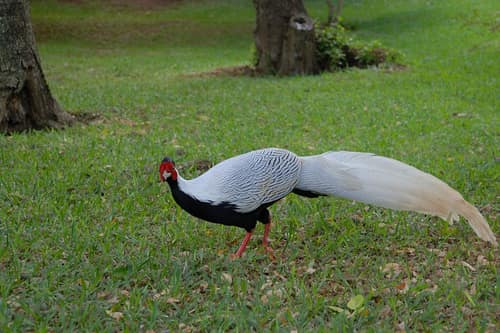
Close Relative MZPlus / CC BY 2.0 · cc-by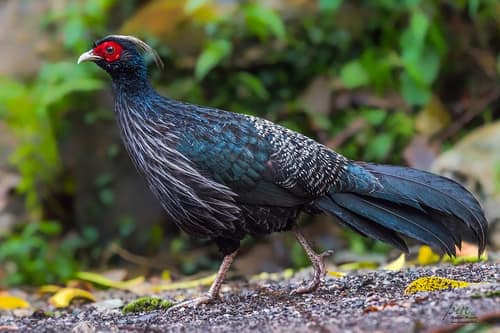
Close Relative Mprasannak / CC BY-SA 4.0 · cc-by-sa
Help improve the field guideSomething wrong?
Checking your Fauna account…Report a name, category, or profile issue for review.