
Bird · GBIF taxon 5227993
Kalij Pheasant
Lophura leucomelanosAlso known as Kaleege Pheasant, Black-backed Pheasant, Nepal Pheasant
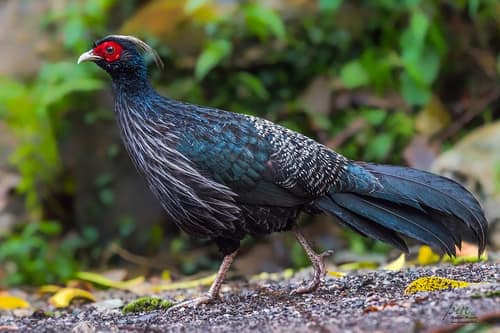
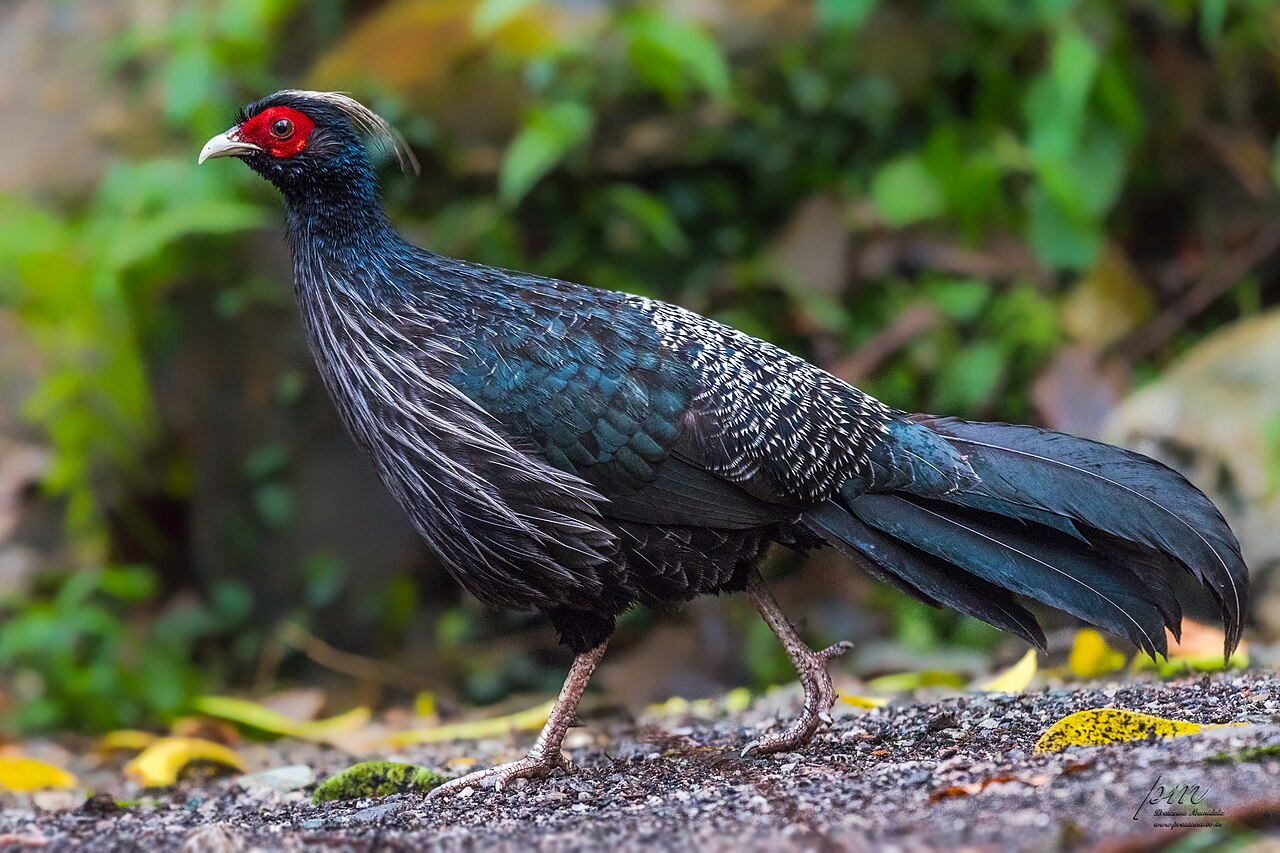
Kalij Pheasants are elusive ground-dwelling birds that forage through dense forest understory, scraping leaf litter for seeds, invertebrates, and fallen fruit. During the spring breeding season, males perform dramatic wing-whirring displays and emit high-pitched squeals to assert territorial dominance and attract females. Introduced to Hawaii in 1962, they have successfully adapted to tropical rainforest habitats alongside their native Himalayan foothill range.
Ground-DwellingForest BirdDimorphic
—observations
—countries
—peak records
Least ConcernConservation statusIUCN Red List categoriesLCNTVUENCREWEXLeast ConcernRed List categories, explained →
Diet & prey
- Insects
- Seeds
- Fallen Berries
Predators
- Leopards
- Linsangs
- Raptors
ThreatsHabitat loss, hunting, illegal pet trade
HabitatsMontane forests, dense thickets, foothill woodlands, shrublands
Life span10–12 years
Size / weightNot available
Classification
- FamilyPhasianidae
- SpeciesLophura leucomelanos
Range data is not available yet.
Interaction riskLow
- Low
- Moderate
- High
- Very high
- Why interaction risk is low
- May scratch or peck with sharp leg spurs if cornered; keep a respectful distance.
Responsible observation
- Observing Habitats: Look for them along forest trails early in the morning when they feed in open clearings.
- Listening for Displays: Listen for the loud, rhythmic whirring of male wing-flapping during spring territorial calls.
- Maintaining Distance: Avoid cornering birds in dense underbrush to prevent stress and defensive behavior.
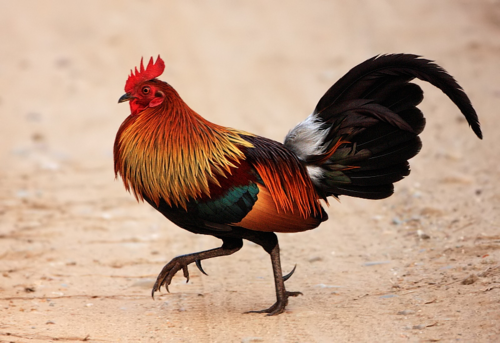
Frequent Companion Subramanya C K / CC BY-SA 3.0 · cc-by-sa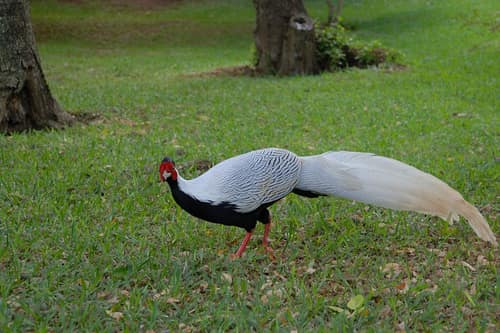
Close Relative MZPlus / CC BY 2.0 · cc-by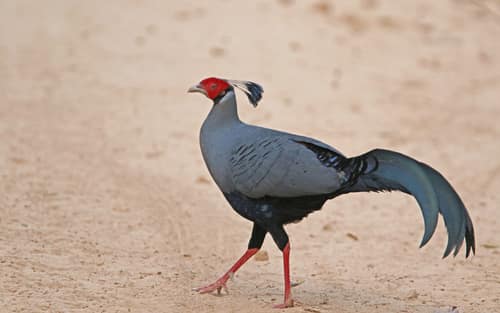
Close Relative (c) Christoph Moning, some rights reserved (CC BY), uploaded by Christoph Moning · cc-by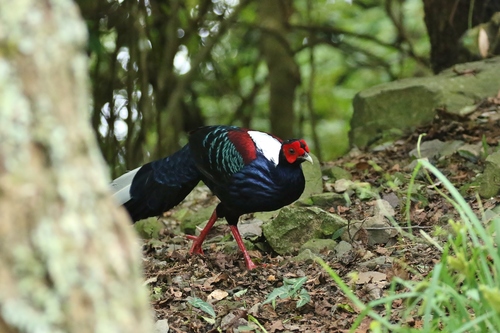
Close Relative (c) Thibaud Aronson, some rights reserved (CC BY-SA), uploaded by Thibaud Aronson · cc-by-sa
Help improve the field guideSomething wrong?
Checking your Fauna account…Report a name, category, or profile issue for review.