
Reptile
Mimic Glass Lizard
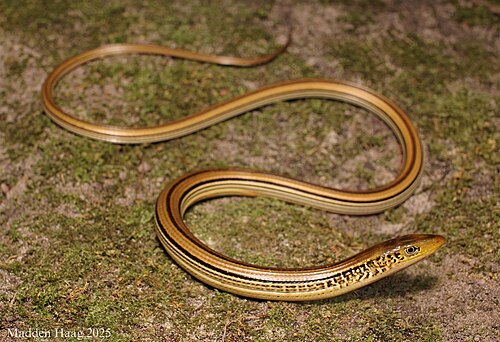
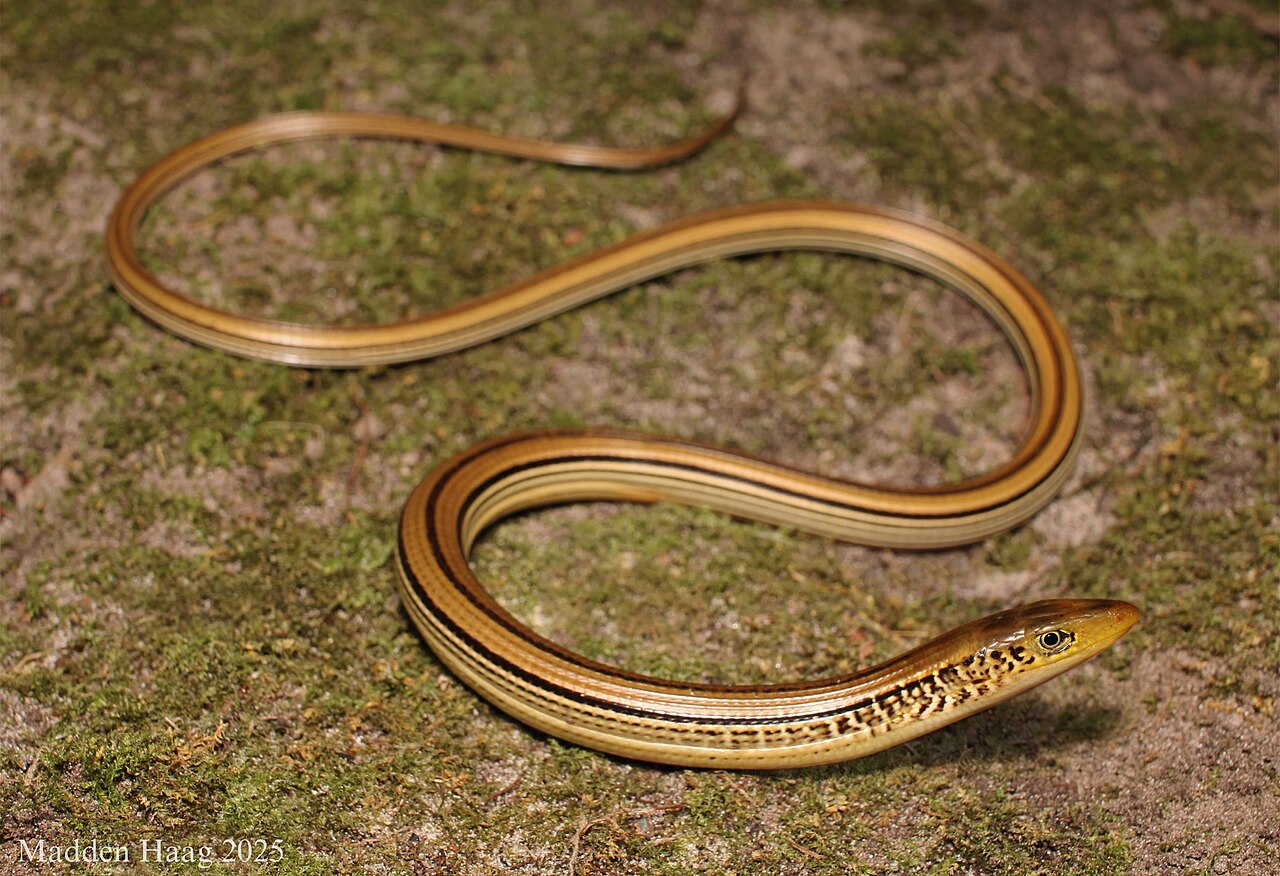
Ophisaurus mimicusMimic glass lizards are slender, legless reptiles adapted to the sandy soils and wiregrass savannas of the southeastern coastal plain. Easily mistaken for snakes at a glance, they possess movable eyelids, external ear openings, and an elongated tail that easily shatters into pieces when grabbed by a predator. Specialized cervical vertebrae give their head and neck exceptional mobility, allowing them to probe dense leaf litter for prey with fluid, jerky movements.
FossorialReptileEndemic
—observations
—countries
—peak records
Least ConcernConservation statusIUCN Red List categoriesLCNTVUENCREWEXLeast ConcernRed List categories, explained →
Diet & preyGrasshoppers, Ground Beetles, Wolf Spiders
Predators
- Red-tailed Hawk
- Eastern Kingsnake
- Raccoon
ThreatsHabitat loss from commercial forestry, urban development, and fire suppression
HabitatsLongleaf pine flatwoods, savannas, open woodlands, and sandhills
Life span10–15 years
Classification
- FamilyAnguidae
- SpeciesOphisaurus mimicus
Range data is not available yet.
Interaction riskLow
- Low
- Moderate
- High
- Very high
- Why interaction risk is low
- Safe to observe at a normal distance.
- What to notice
- Look for a slender, legless lizard with dark stripes above a deep lateral groove and a distinct dark stripe along the center of its back.
- Support conservation
- Observe entirely from a respectful distance without attempting capture or corralling, which induces traumatic tail autotomy.
Responsible observation
- Look near edges: Scan sandy paths and firebreaks in longleaf flatwoods during mild, humid mornings.
- Do not handle: Avoid catching them by hand, as stress easily causes them to permanently sever their fragile tail.
- Check for ears: Distinguish them from true snakes by searching for small, circular external ear openings behind the eyes.
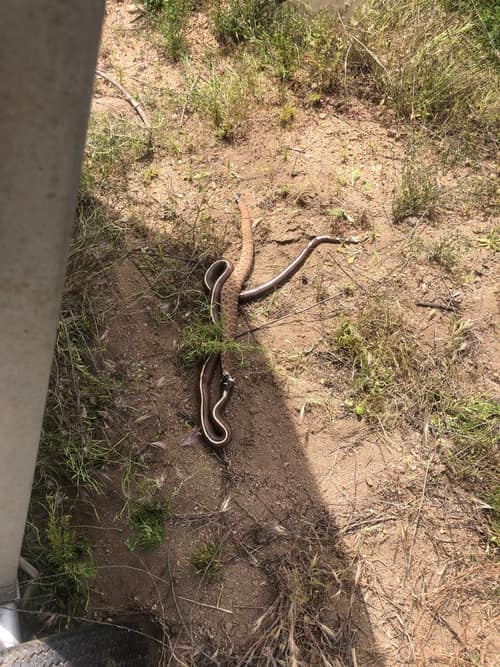
Predator (c) Amy Huie, some rights reserved (CC BY) · cc-by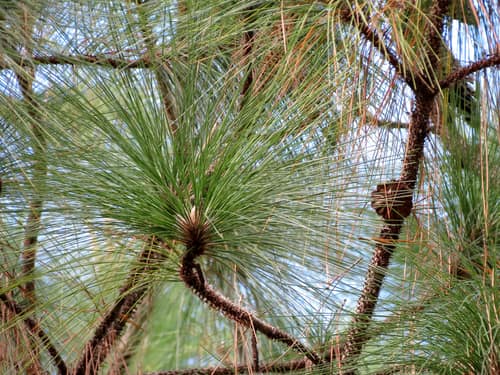
Frequent Companion (c) Katja Schulz, some rights reserved (CC BY) · cc-by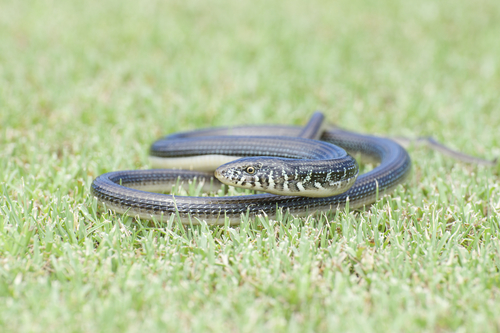
Close Relative (c) Owen Strickland, some rights reserved (CC BY), uploaded by Owen Strickland · cc-by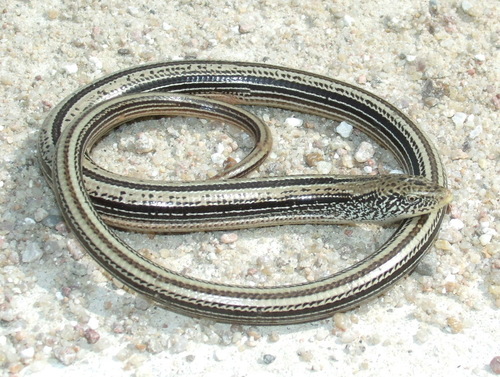
Close Relative (c) John G. Phillips, some rights reserved (CC BY), uploaded by John G. Phillips · cc-by
Help improve the field guideSomething wrong?
Checking your Fauna account…Report a name, category, or profile issue for review.