
Reptile · GBIF taxon 5223350
Broad-banded Watersnake
Nerodia fasciata confluensAlso known as Banded Water Snake, Southern Water Snake, Broad-banded Water Snake
Broad-banded watersnakes patrol slow-moving rivers, swamps, and bayous across the central United States, hunting fish and amphibians along shallow margins. When startled, they quickly dive underwater or retreat into dense aquatic brush to escape predators. Although completely harmless to humans, these stout reptiles are frequently mistaken for venomous cottonmouths due to their heavy bodies and dark crossbands.
Semi-aquaticNon-venomousReptile
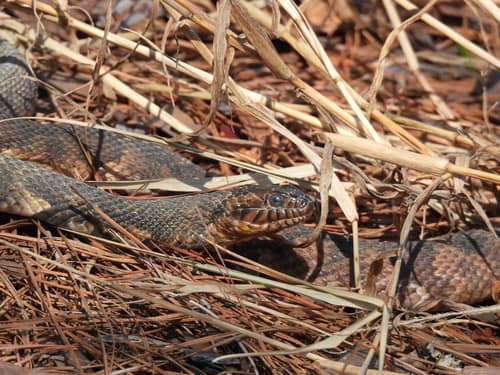
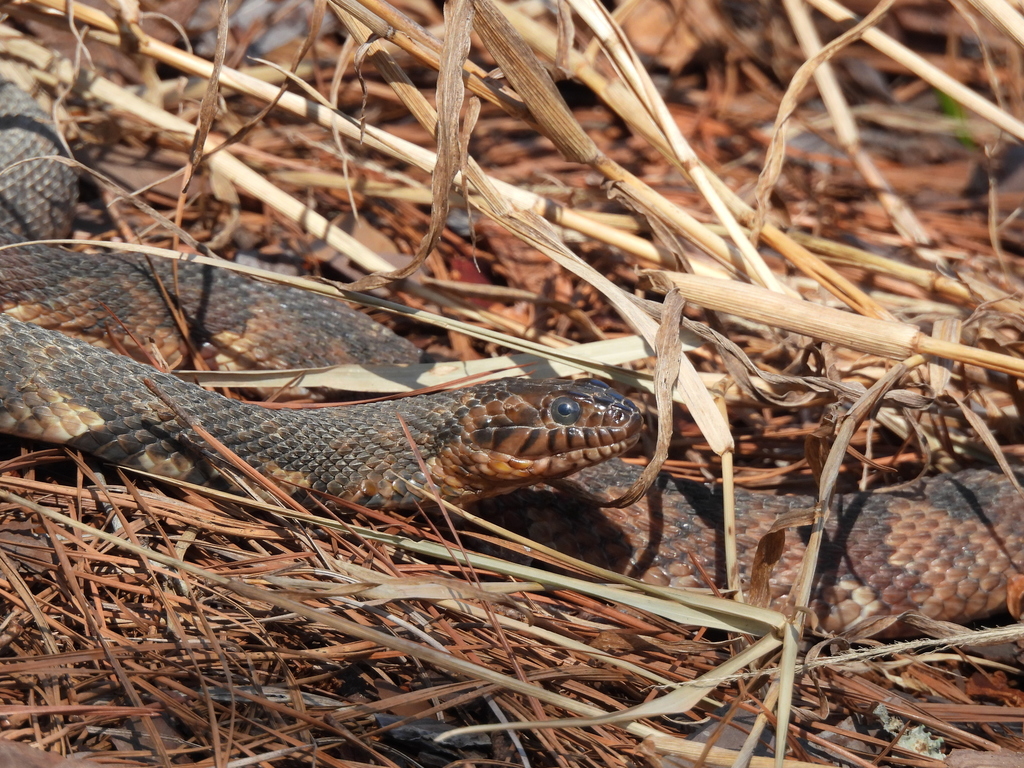
Licensed reference(c) ncb1221, some rights reserved (CC BY) · cc-by
—observations
—countries
—peak records
Least ConcernConservation statusIUCN Red List categoriesLCNTVUENCREWEXLeast ConcernRed List categories, explained →
Diet & prey
- Fish
- Frogs
- Tadpoles
Predators
- Great Blue Heron
- American Alligator
- Raptors
ThreatsHabitat destruction, human persecution due to confusion with cottonmouths
HabitatsSwamps, marshes, oxbow lakes, slow-moving streams
Life span7–10 years in the wild
Size / weightNot available
Classification
- FamilyColubridae
- SpeciesNerodia fasciata confluens
Range data is not available yet.
Interaction riskLow
- Low
- Moderate
- High
- Very high
- Why interaction risk is low
- Non-venomous, but will strike vigorously and release foul musk if cornered or handled.
- Why it is dangerous
- Lacks venom but possesses rows of tiny, sharp teeth capable of inflicting painful shallow bites.
- How to recognize a risky encounter
- Distinguish by round pupils, smooth head profile, and broad brown or reddish crossbands separated by yellow highlights.
- What to do
- Maintain a respectful distance near water margins and avoid cornering or attempting to pick up the snake.
Responsible observation
- Observation Distance: Give snakes along shorelines a few paces of space to prevent defensive strikes or fleeing.
- Identification Tip: Look for round pupils and broad, bold body bands that extend onto the belly to distinguish from pit vipers.
- Handling Advice: Avoid picking up wild water snakes, as they defend themselves with quick bites and foul-smelling musk.
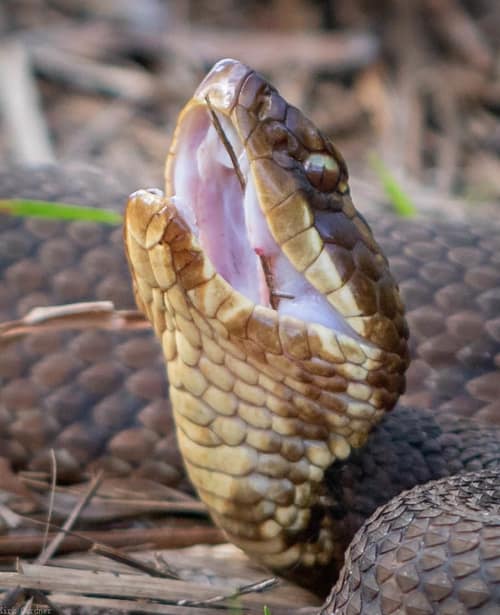
Venomous Look-alike (c) kirk gardner, some rights reserved (CC BY), uploaded by kirk gardner · cc-by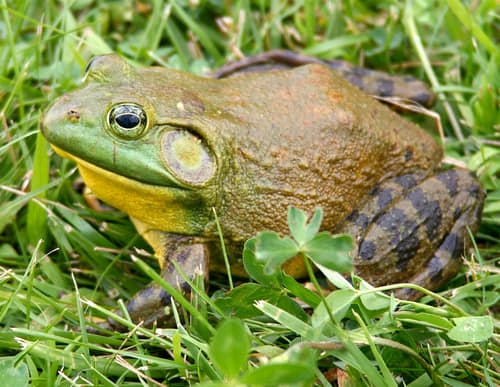
Prey Carl D. Howe / CC BY-SA 2.5 · cc-by-sa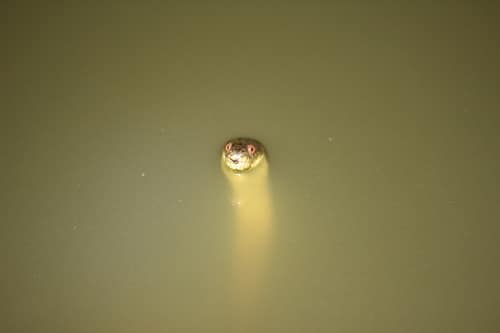
Close Relative (c) B. P. White, some rights reserved (CC BY-SA) · cc-by-sa
Close Relative (c) Mila Turov, some rights reserved (CC BY) · cc-by
Help improve the field guideSomething wrong?
Checking your Fauna account…Report a name, category, or profile issue for review.