
Reptile
Greater Short-Horned Lizard
Phrynosoma hernandesiAlso known as Mountain Short-Horned Lizard, Hernández's Short-Horned Lizard, Short-Horned Lizard
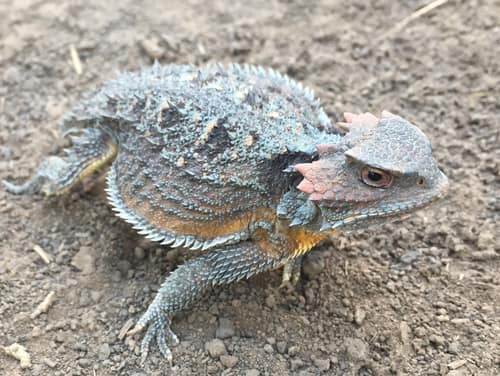
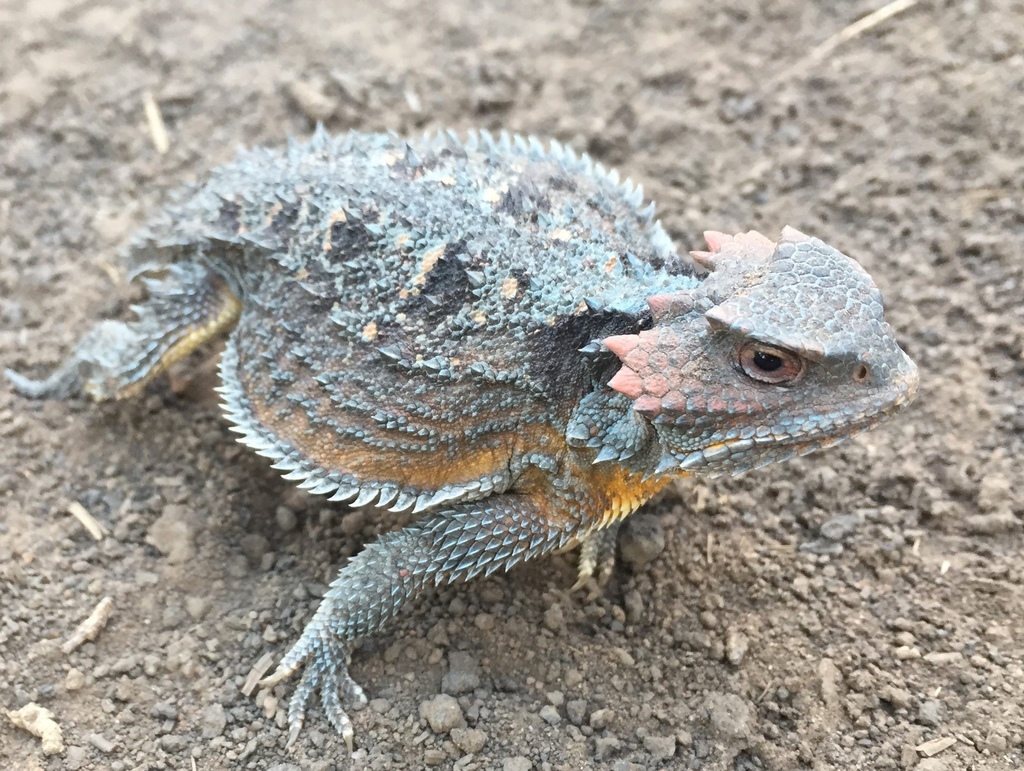
Greater short-horned lizards blend seamlessly into rocky soils with their broad, flattened bodies and mottled grey-brown patterning. Unlike most egg-laying reptiles, females give live birth to up to two dozen offspring late in the summer, an adaptation ideal for cold northern elevations. When threatened, they expand their bodies, hiss, and can selectively squirt blood from the corners of their eyes to deter canine predators.
CamouflagedViviparousReptile
—observations
—countries
—peak records
Least ConcernConservation statusIUCN Red List categoriesLCNTVUENCREWEXLeast ConcernRed List categories, explained →
Diet & preyHarvester Ants, Beetles, Spiders
Predators
- Hawks
- Snakes
- Coyotes
ThreatsHabitat loss, agricultural conversion, pesticide use, and road mortality
HabitatsArid grasslands, sagebrush steppes, open pine forests, and rocky hillsides
Life span3–5 years
Classification
- FamilyPhrynosomatidae
- SpeciesPhrynosoma hernandesi
Range data is not available yet.
Interaction riskLow
- Low
- Moderate
- High
- Very high
- Why interaction risk is low
- Safe to observe from a respectful distance.
- What to notice
- Recognizable by its round, flattened body, short head horns, and greyish mottled skin matching dry soil.
- Support conservation
- Observe quietly from several meters away and never capture or relocate wild individuals.
Responsible observation
- Spotting Techniques: Scan open gravel patches slowly, as these lizards freeze completely to blend into their surroundings.
- Ethical Distance: Remain a few paces back to prevent scaring the lizard into defensive blood squirting.
- Habitat Protection: Avoid stepping on fragile soil crusts or overhangs where individuals burrow during cold spells.
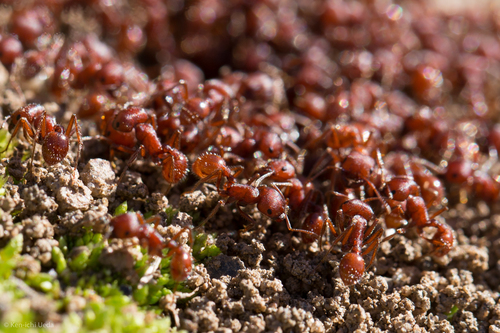
Key Prey (c) Ken-ichi Ueda, some rights reserved (CC BY), uploaded by Ken-ichi Ueda · cc-by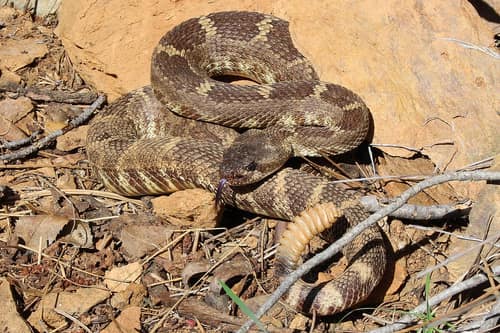
Predator Connor Long / CC BY-SA 4.0 · cc-by-sa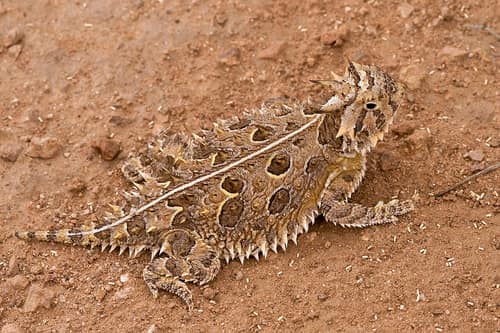
Close Relative Patrick Alexander from Las Cruces, NM / CC0 · cc0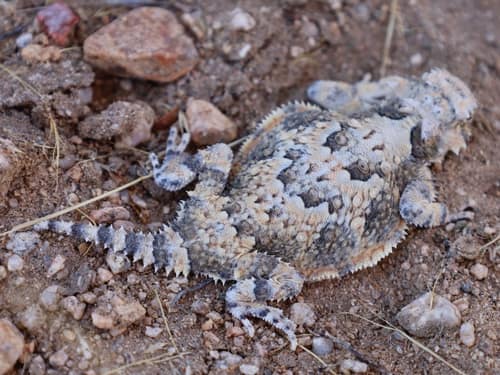
Close Relative (c) Roberto Daniel Avila, some rights reserved (CC BY), uploaded by Roberto Daniel Avila · cc-by
Help improve the field guideSomething wrong?
Checking your Fauna account…Report a name, category, or profile issue for review.