
Reptile · GBIF taxon 5222451
Coast Horned Lizard
Phrynosoma blainvilliiAlso known as Blainville's Horned Lizard, San Diego Horned Lizard, California Horned Lizard, Horny Toad
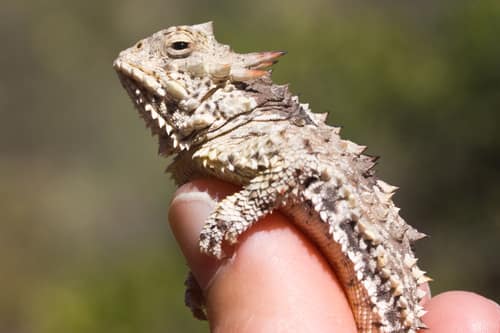
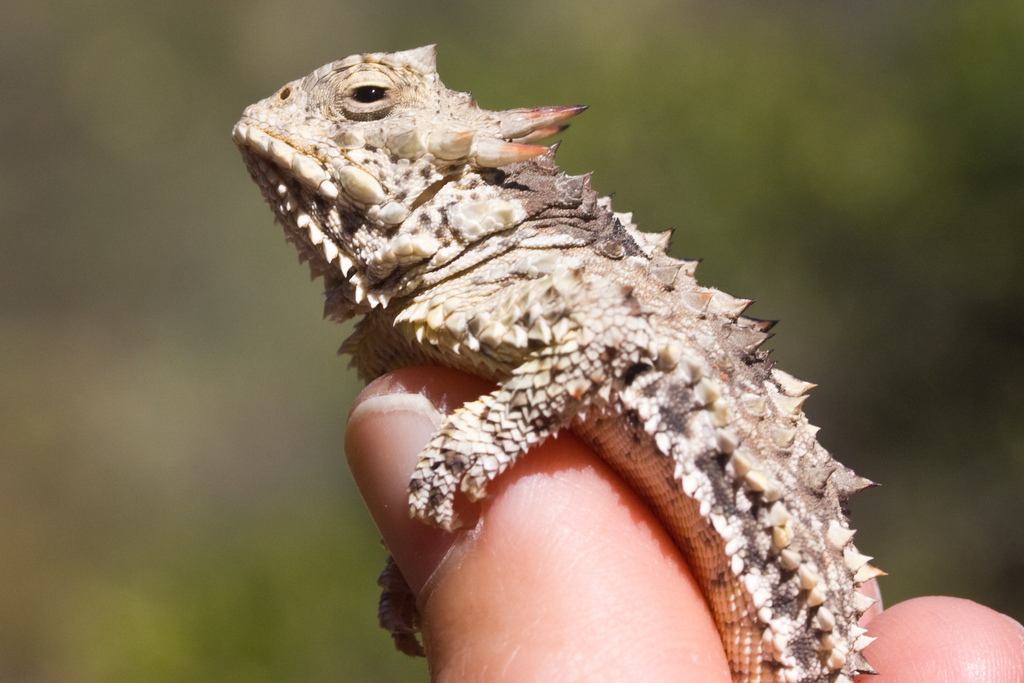
Coast horned lizards rely on uncanny camouflage, flattening their wide, spiny bodies against gravelly soil to vanish from view. When cornered by predators, they can inflate their bodies, hiss, and restrict venous blood flow to defensively spray blood from the corners of their eyes. Invasive Argentine ants, which displace the native harvester ants essential to their diet, pose a severe threat to remaining populations across California.
CamouflagedReptileAnt Specialist
—observations
—countries
—peak records
Least ConcernConservation statusIUCN Red List categoriesLCNTVUENCREWEXLeast ConcernRed List categories, explained →
Diet & prey
- Harvester Ants
- Darkling Beetles
- Termites
Predators
- Greater Roadrunner
- Red-tailed Hawk
- Gopher Snake
ThreatsHabitat loss, invasive Argentine ants, domestic cats, vehicle strikes
HabitatsCoastal sage scrub, chaparral, oak woodlands, sandy washes
Life span5–8 years
Size / weightNot available
Classification
- FamilyPhrynosomatidae
- SpeciesPhrynosoma blainvillii
Range data is not available yet.
Interaction riskLow
- Low
- Moderate
- High
- Very high
- Why interaction risk is low
- Safe to observe at a normal distance.
- What to notice
- Recognizable by two large, pointed central horns on the back of the head and prominent spiny scales along the flanks.
- Support conservation
- Maintain a respectful distance of a few feet and avoid disrupting their feeding trails near active harvester ant colonies.
Responsible observation
- Scan open soil: Look for movement on bare sandy patches near native ant mounds, where individuals bask during warm mornings.
- Avoid handling: Never catch or squeeze these lizards, as handling causes extreme stress and can trigger eye-bleeding defenses.
- Stay on trails: Keep to designated footpaths to prevent trampling subtle burrow sites and delicate sage scrub brush.
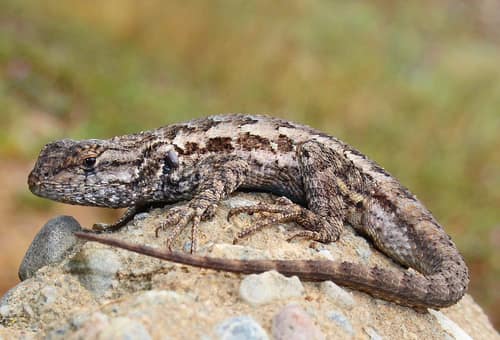
Frequent Companion Connor Long / CC BY-SA 4.0 · cc-by-sa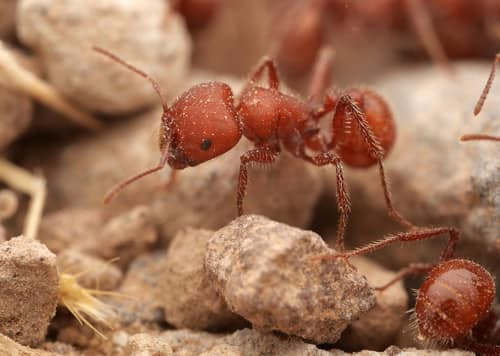
Prey no rights reserved, uploaded by Philipp Hoenle · cc0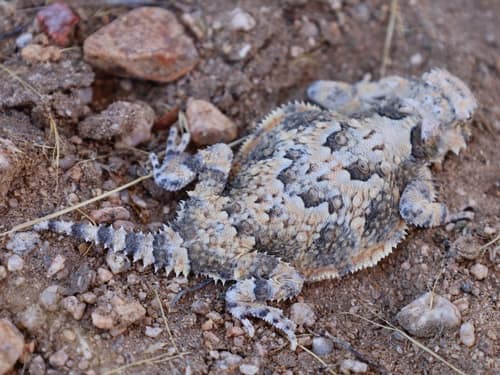
Close Relative (c) Roberto Daniel Avila, some rights reserved (CC BY), uploaded by Roberto Daniel Avila · cc-by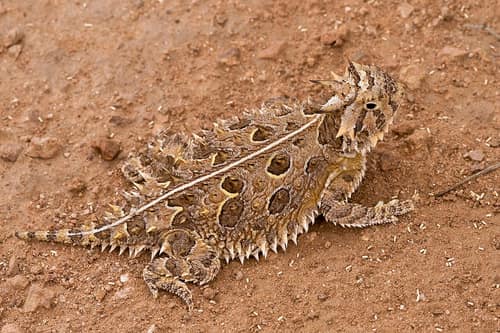
Close Relative Patrick Alexander from Las Cruces, NM / CC0 · cc0
Help improve the field guideSomething wrong?
Checking your Fauna account…Report a name, category, or profile issue for review.