
Reptile
Texas Horned Lizard
Phrynosoma cornutumAlso known as Horny Toad, Horned Toad, Horned Frog
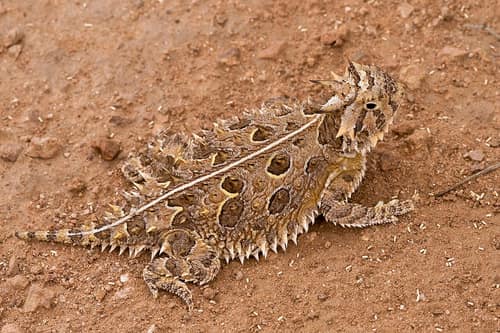
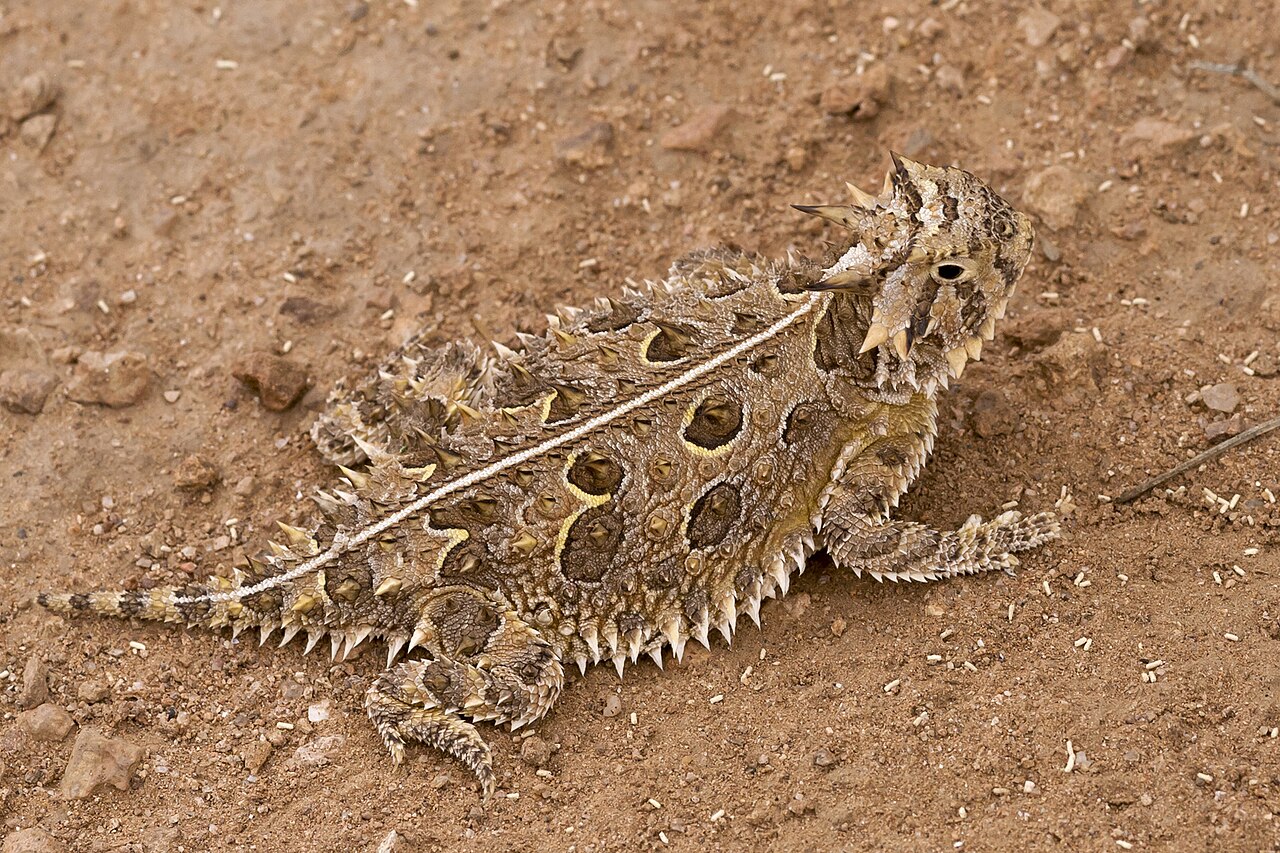
Texas horned lizards blend seamlessly into sandy soil using flattened, pancake-like bodies fringed with sharp spines along their sides. They forage near harvester ant colonies, using sticky tongues to consume hundreds of ants daily while relying on cryptic coloration to avoid predators. When cornered by canids, these unusual reptiles can restrict blood flow from their eyes, squirting foul-tasting droplets to startle attackers.
ReptileCamouflagedDesert
—observations
—countries
—peak records
Least ConcernConservation statusIUCN Red List categoriesLCNTVUENCREWEXLeast ConcernRed List categories, explained →
Diet & preyHarvester ants, Beetles, Termites
Predators
- Hawks
- Roadrunners
- Coyotes
ThreatsHabitat loss, invasive fire ants, pesticide use, road mortality
HabitatsDeserts, arid grasslands, prairies, sandy plains
Life span5–8 years
Classification
- FamilyPhrynosomatidae
- GenusPhrynosoma
- SpeciesPhrynosoma cornutum
Range data is not available yet.
Interaction riskLow
- Low
- Moderate
- High
- Very high
- Why interaction risk is low
- Safe to observe at a normal distance; protected by state law in Texas.
- What to notice
- Look for a broad, flattened body with two distinctly long central head horns and lateral fringe spines.
- Support conservation
- Keep a polite distance and take photos without disturbing or touching the animal.
Responsible observation
- Observe from a Distance: Watch from several steps back to avoid alarming the lizard and triggering defensive distress.
- Check Open Spots: Scan sunny, sandy soil near active ant trails during warm morning hours.
- Leave Untouched: Never handle or capture wild individuals, as state law strictly protects them.
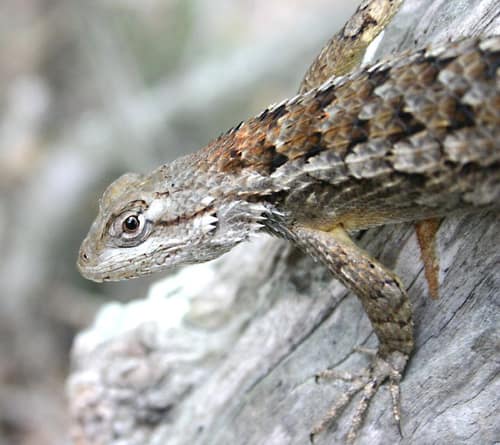
Look-alike Clinton & Charles Robertson from RAF Lakenheath, UK & San Marcos, TX, USA & UK / CC BY-SA 2.0 · cc-by-sa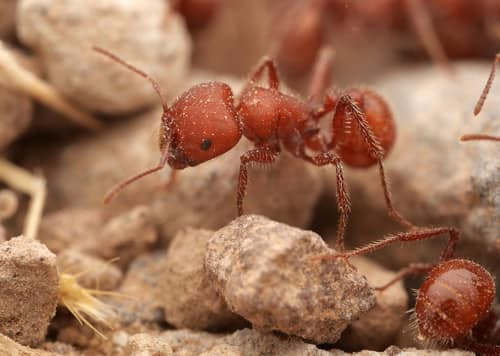
Prey no rights reserved, uploaded by Philipp Hoenle · cc0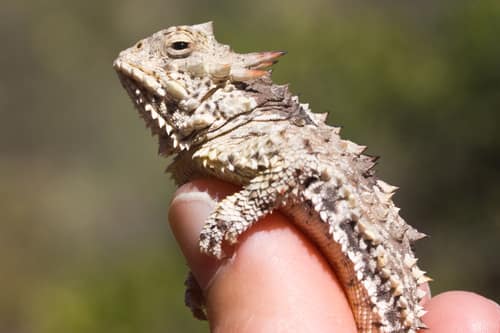
Close Relative (c) Ken-ichi Ueda, some rights reserved (CC BY) · cc-by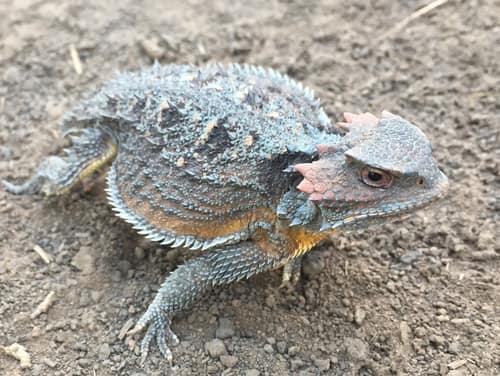
Close Relative (c) brettaugust, some rights reserved (CC BY) · cc-by
Help improve the field guideSomething wrong?
Checking your Fauna account…Report a name, category, or profile issue for review.