
Reptile · GBIF taxon 5220394
Razor-backed Musk Turtle
Sternotherus carinatusAlso known as Razorback Musk Turtle
Razor-backed musk turtles spend nearly their entire lives underwater, prowling sluggish river bottoms, bayous, and swamps where fallen logs provide submerged cover. Their exceptionally steep, roof-shaped carapace sheds silt and deflects the jaws of potential predators while they hunt for hard-shelled prey. When threatened, glands along the bridge secrete a pungent, foul-smelling musk that deters larger predators from swallowing them.
AquaticFreshwaterCarnivorous
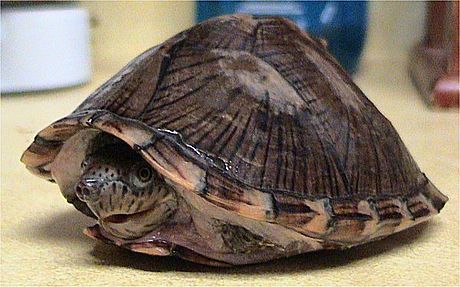
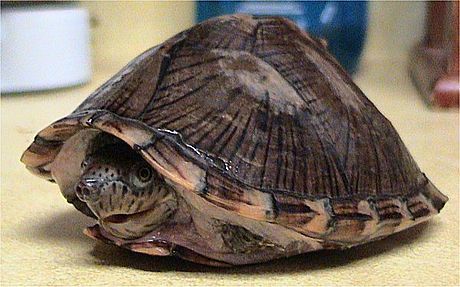
Licensed reference(c) Photographer: LA Dawson, some rights reserved (CC BY-SA) · cc-by-sa
—observations
—countries
—peak records
Least ConcernConservation statusIUCN Red List categoriesLCNTVUENCREWEXLeast ConcernRed List categories, explained →
Diet & prey
- Freshwater Snails
- River Crayfish
- Aquatic Insects
Predators
- American Alligator
- Alligator Snapping Turtle
- Northern Raccoon
ThreatsWaterway pollution, river channelization, and overcollection for the pet trade
HabitatsSlow-moving rivers, bayous, oxbow lakes, and cypress swamps
Life span20–30 years in the wild
Size / weightNot available
Classification
- FamilyKinosternidae
- GenusSternotherus
- SpeciesSternotherus carinatus
Range data is not available yet.
Interaction riskLow
- Low
- Moderate
- High
- Very high
- Why interaction risk is low
- Powerful crushing jaws can deliver a painful defensive bite; observe underwater or from banks without handling.
- Why it is dangerous
- Equipped with strong, broad jaws evolved to crush mollusk shells, which can easily break human skin or crush fingernails.
- How to recognize a risky encounter
- Look for a dramatically steep, tent-like carapace with a sharp central vertebral ridge and dark spotting on the head.
- What to do
- Allow the turtle to pass undisturbed, or pick it up securely from the extreme rear of the shell if road rescue is needed.
Responsible observation
- River Scanning: Look for their sharp, ridged shells resting among submerged branches in clear, shallow streams.
- Basking Spot: Scan partially submerged tree trunks on sunny mornings where adults occasionally climb out to warm up.
- Handling Precaution: Keep fingers clear if relocating one off a road, as their long necks reach far sideways.

Same Genus (c) Curtis Meyers, some rights reserved (CC BY-SA) · cc-by-sa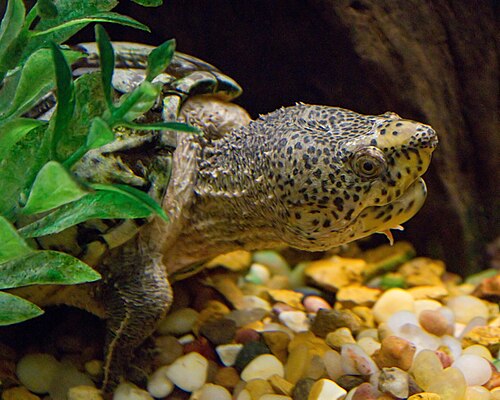
Same Genus Greg Hume / CC BY-SA 3.0 · cc-by-sa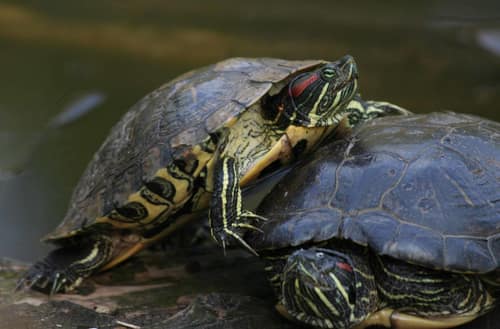
Neighbor (c) Laurent Lebois ©, some rights reserved (CC BY) · cc-by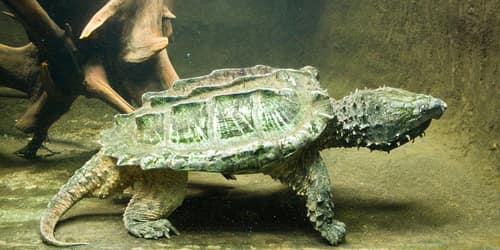
Predator (c) Tina Li, some rights reserved (CC BY-SA) · cc-by-sa
Help improve the field guideSomething wrong?
Checking your Fauna account…Report a name, category, or profile issue for review.