
Mammal
Nilgiri Tahr
Hemitragus hylocriusAlso known as Nilgiri Ibex
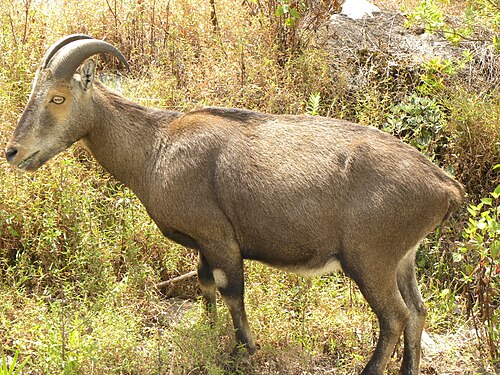
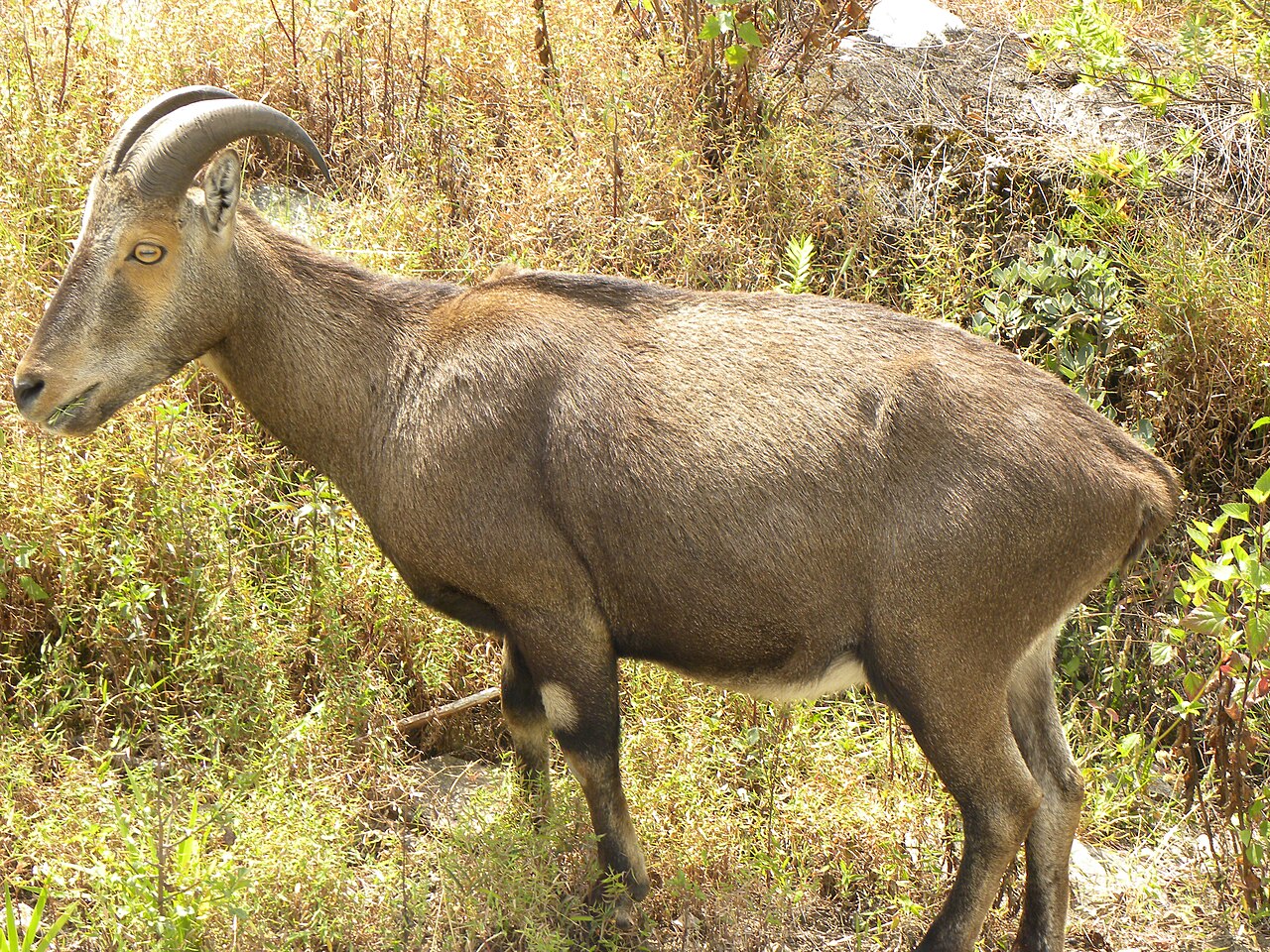
Nilgiri tahrs are stocky, sure-footed wild ungulates adapted to the precipitous rocky cliffs and high-altitude montane grasslands of the Western Ghats. Mature males develop a dark brown coat featuring a distinctive silvery saddle patch across their back and heavy, backward-curved horns. Herds navigate steep crags to graze on native grasses while relying on sharp eyesight and piercing alarm calls to detect approaching predators.
EndemicMontane
—observations
—countries
—peak records
EndangeredConservation statusIUCN Red List categoriesLCNTVUENCREWEXEndangeredRed List categories, explained →
Diet & preyTussock Grasses, Alpine Herbage, Bamboo Shoots
Predators
- Leopard
- Dhole
- Tiger
ThreatsHabitat fragmentation, invasive plant species, and illegal poaching
HabitatsMontane grasslands and steep rocky cliffs
Life span12–14 years
Classification
- FamilyBovidae
- SpeciesHemitragus hylocrius
Range data is not available yet.
Interaction riskLow
- Low
- Moderate
- High
- Very high
- Why interaction risk is low
- Safe to observe at a normal distance.
- What to notice
- Identified by thick curved horns, short brownish coats, and silvery back patches on adult males in high-altitude grasslands.
- Support conservation
- Keep a respectful distance, stay on established park trails, and never attempt to approach or corner feeding groups.
Responsible observation
- Trail etiquette: Remain strictly on designated park paths to avoid disrupting feeding herds.
- Binoculars recommended: Observe from a distance to avoid triggering alarm whistles and scattering the herd.
- Seasonal viewing: Visit protected sanctuaries after the monsoons when adult males display peak coat coloration.
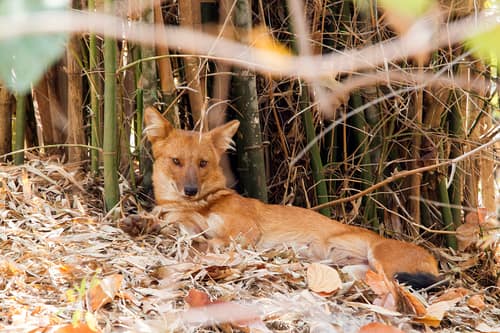
Predator (c) Ramesh Shenai Jr., some rights reserved (CC BY), uploaded by Ramesh Shenai Jr. · cc-by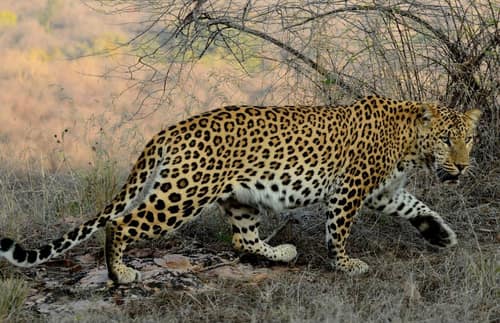
Predator (c) Raja bandi, some rights reserved (CC BY), uploaded by Raja bandi · cc-by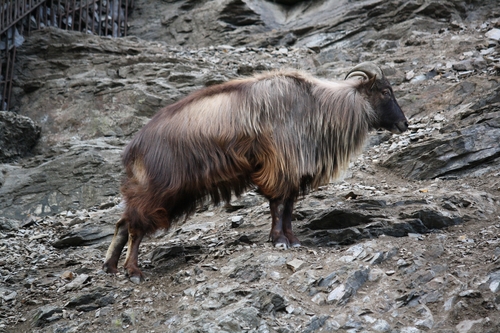
Close Relative (c) Matěj Baťha, some rights reserved (CC BY-SA) · cc-by-sa Image unavailable
Close Relative
Help improve the field guideSomething wrong?
Checking your Fauna account…Report a name, category, or profile issue for review.