
Mammal · GBIF taxon 5220175
Nilgiri Tahr
Hemitragus hylocriusAlso known as Nilgiri Ibex
Nilgiri tahrs are stocky, sure-footed wild ungulates adapted to the precipitous rocky cliffs and high-altitude montane grasslands of the Western Ghats. Mature males develop a dark brown coat featuring a distinctive silvery saddle patch across their back and heavy, backward-curved horns. Herds navigate steep crags to graze on native grasses while relying on sharp eyesight and piercing alarm calls to detect approaching predators.
EndemicMontane
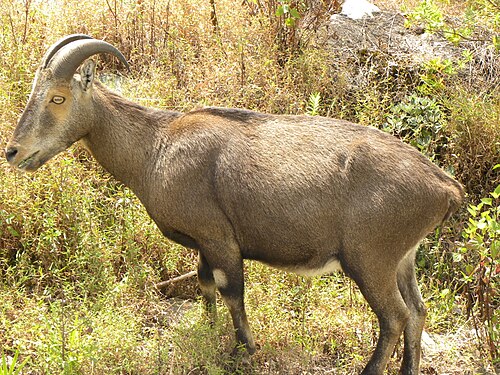
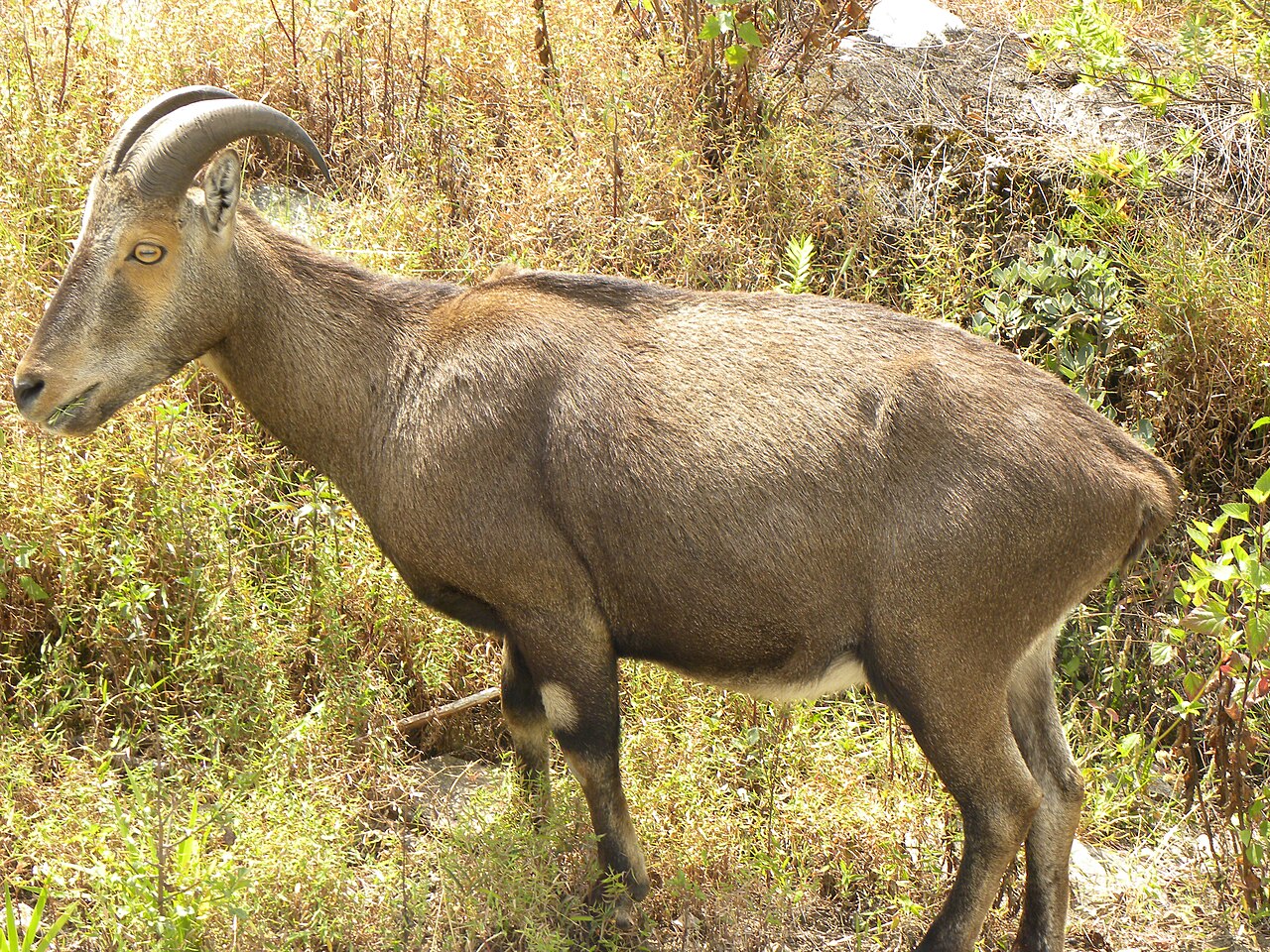
Licensed referenceAveek Bandyopadhyay / CC BY-SA 4.0 · cc-by-sa
—observations
—countries
—peak records
EndangeredConservation statusIUCN Red List categoriesLCNTVUENCREWEXEndangeredRed List categories, explained →
Diet & prey
- Tussock Grasses
- Alpine Herbage
- Bamboo Shoots
Predators
- Leopard
- Dhole
- Tiger
ThreatsHabitat fragmentation, invasive plant species, and illegal poaching
HabitatsMontane grasslands and steep rocky cliffs
Life span12–14 years
Size / weightNot available
Classification
- FamilyBovidae
- SpeciesHemitragus hylocrius
Range data is not available yet.
Interaction riskLow
- Low
- Moderate
- High
- Very high
- Why interaction risk is low
- Safe to observe at a normal distance.
- What to notice
- Identified by thick curved horns, short brownish coats, and silvery back patches on adult males in high-altitude grasslands.
- Support conservation
- Keep a respectful distance, stay on established park trails, and never attempt to approach or corner feeding groups.
Responsible observation
- Trail etiquette: Remain strictly on designated park paths to avoid disrupting feeding herds.
- Binoculars recommended: Observe from a distance to avoid triggering alarm whistles and scattering the herd.
- Seasonal viewing: Visit protected sanctuaries after the monsoons when adult males display peak coat coloration.
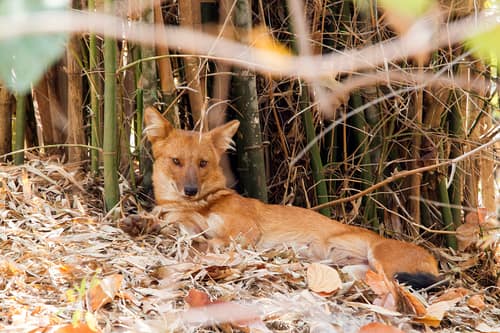
Predator (c) Ramesh Shenai Jr., some rights reserved (CC BY), uploaded by Ramesh Shenai Jr. · cc-by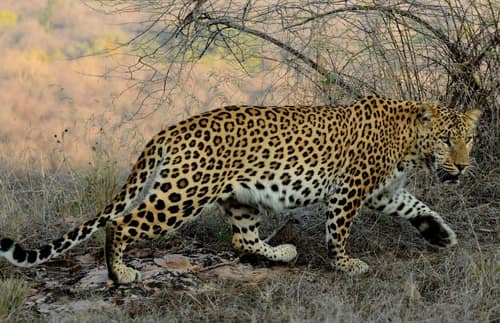
Predator (c) Raja bandi, some rights reserved (CC BY), uploaded by Raja bandi · cc-by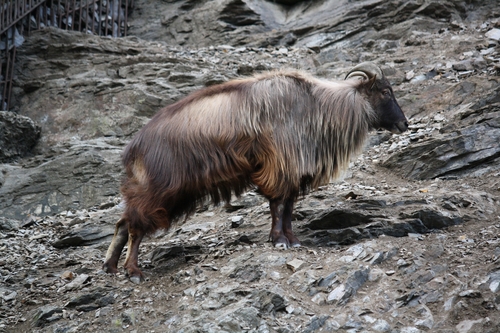
Close Relative (c) Matěj Baťha, some rights reserved (CC BY-SA) · cc-by-sa Image unavailable
Close Relative
Help improve the field guideSomething wrong?
Checking your Fauna account…Report a name, category, or profile issue for review.