
Mammal · GBIF taxon 5220171
Pyrenean Chamois
Rupicapra pyrenaicaAlso known as Isard, Pyrenean Isard, Apennine Chamois, Southern Chamois
Pyrenean chamois move with extraordinary agility across steep, rocky alpine terrain, using flexible hooves designed to grip sheer granite crags. Their coats shift dramatically with the seasons, turning from a warm reddish-brown in summer to a dense, dark brown winter fleece featuring a pale throat patch. Females and young form cohesive herds during spring, while mature males remain solitary until the autumn rut.
MountainMammalHerbivore
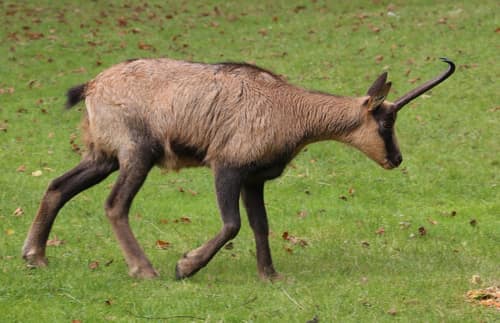
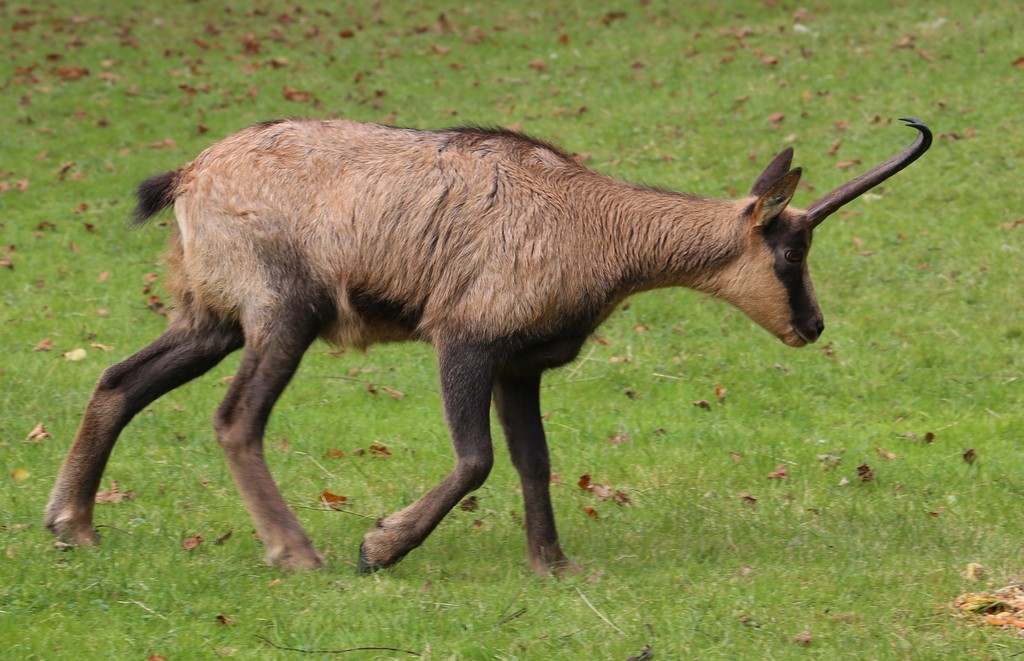
—observations
—countries
—peak records
Least ConcernConservation statusIUCN Red List categoriesLCNTVUENCREWEXLeast ConcernRed List categories, explained →
Diet & prey
- Grass, alpine herbs, moss, lichens, leaves
Predators
- Eurasian Wolf
- Golden Eagle
- Pyrenean Bear
ThreatsDisease outbreaks, habitat fragmentation, climate change
HabitatsAlpine meadows, rocky scree, mountain cliffs, subalpine forests
Life span15–22 years
Size / weightNot available
Classification
- FamilyBovidae
- SpeciesRupicapra pyrenaica
Range data is not available yet.
Interaction riskLow
- Low
- Moderate
- High
- Very high
- Why interaction risk is low
- Safe to observe at a normal distance.
Responsible observation
- Spotting: Scan high alpine scree fields and ridge lines during early morning light.
- Approaching: Maintain a distance of at least 100 meters to avoid startling grazing herds.
- Seasonality: Look for the dramatic coat color transition from summer rust to dark winter brown.
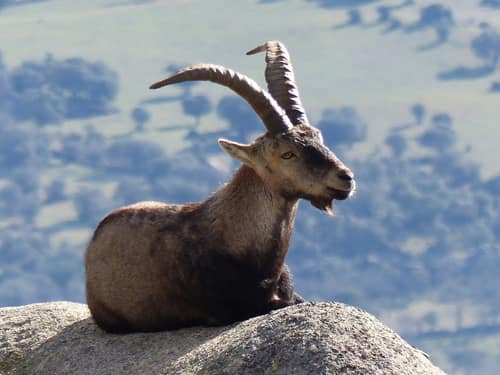
Competitor (c) Benjamín Núñez González, some rights reserved (CC BY-SA) · cc-by-sa
Predator Giles Laurent / CC BY-SA 4.0 · cc-by-sa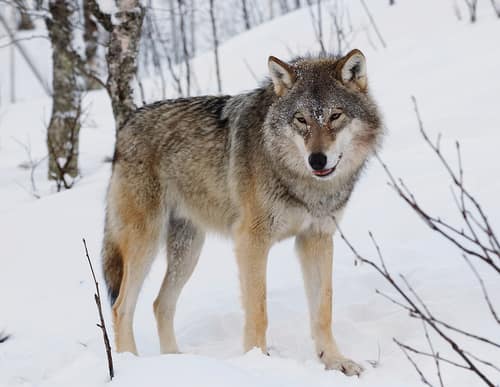
Predator User:Mas3cf / CC BY-SA 4.0 · cc-by-sa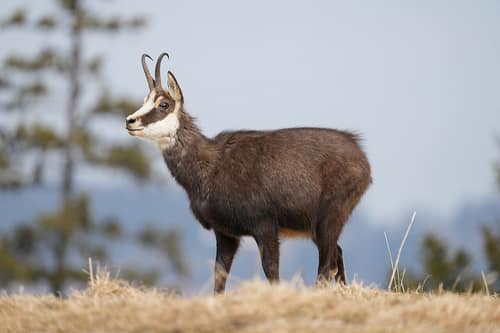
Close Relative Giles Laurent / CC BY-SA 4.0 · cc-by-sa
Help improve the field guideSomething wrong?
Checking your Fauna account…Report a name, category, or profile issue for review.