
Mammal · GBIF taxon 5220170
Northern Chamois
Rupicapra rupicapraAlso known as Alpine Chamois
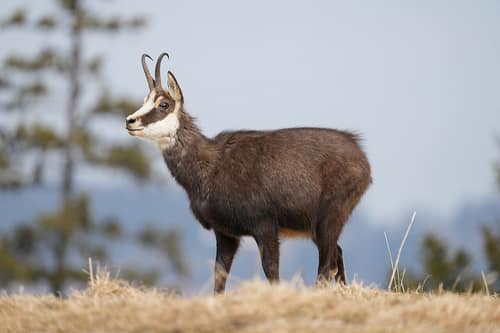
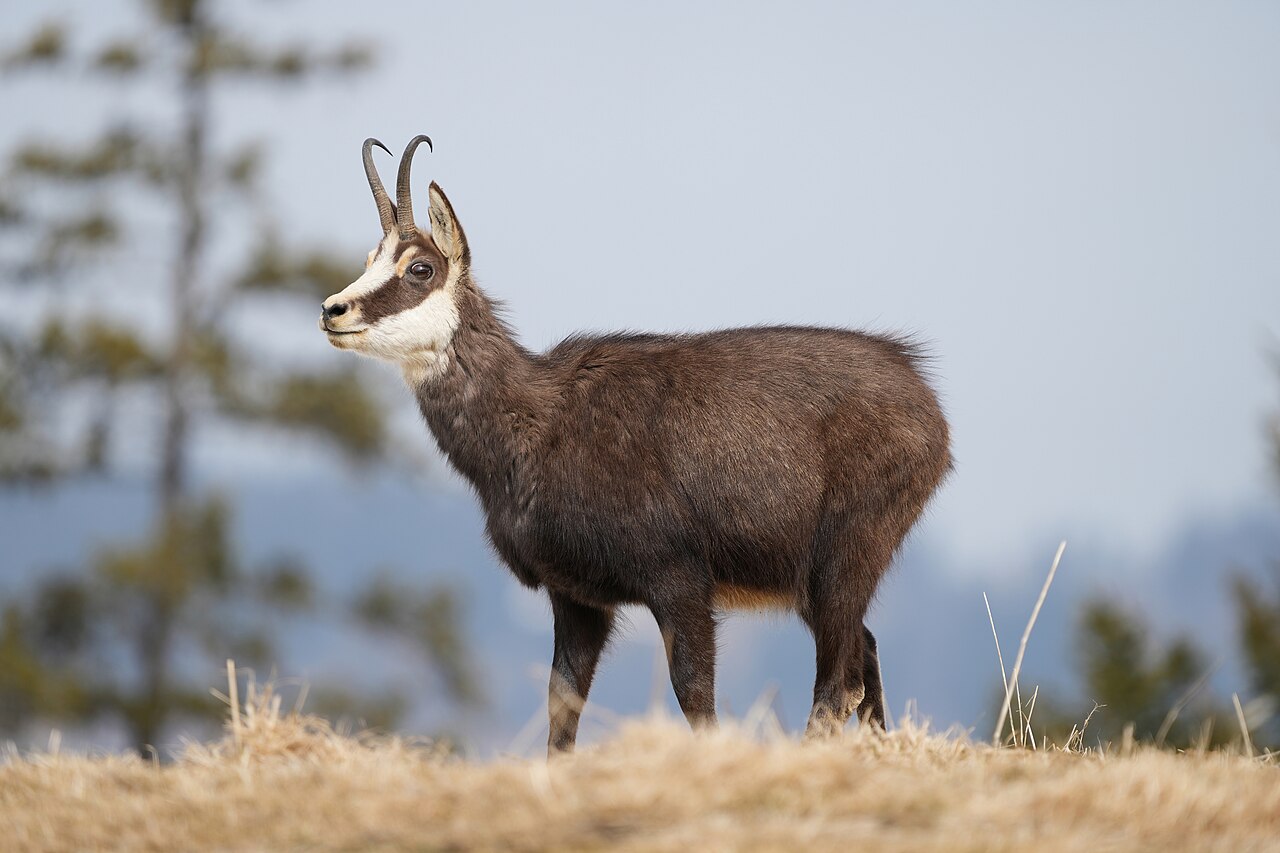
Northern chamois master steep vertical terrain using specialized flexible hooves with rubbery central pads that grip slick rock. Groups of females and kids migrate between lush summer pastures high above the treeline and sheltered lower forests during winter snows. When alarmed, a sentry emits a sharp whistle through its nose, signaling the herd to vault effortlessly across treacherous precipices.
AlpineHoofed MammalAgile
—observations
—countries
—peak records
Least ConcernConservation statusIUCN Red List categoriesLCNTVUENCREWEXLeast ConcernRed List categories, explained →
Diet & prey
- Herbivorous (Alpine grasses, herbs, shoots, lichen, foliage)
Predators
- Eurasian Lynx
- Golden Eagle
- Wolf
ThreatsHabitat fragmentation, climate change, livestock competition, poaching
HabitatsAlpine meadows, steep rocky slopes, subalpine forests
Life span15–22 years
Size / weightNot available
Classification
- FamilyBovidae
- SpeciesRupicapra rupicapra
Range data is not available yet.
Interaction riskLow
- Low
- Moderate
- High
- Very high
- Why interaction risk is low
- Safe to observe from a respectful distance using binoculars or a spotting scope.
- What to notice
- Recognized by short, backward-hooked horns, a dark dorsal stripe, and light facial markings.
- Support conservation
- Maintain a generous distance on mountain trails and avoid surrounding or surprising groups.
Responsible observation
- Observation Distance: Use a spotting scope from valley floors or ridges to avoid startling herds on high cliffs.
- Seasonal Locating: Scan alpine meadows above the treeline early in the morning during warm summer months.
- Trail Etiquette: Keep dogs strictly on a leash to prevent panicked leaps on steep precipices.
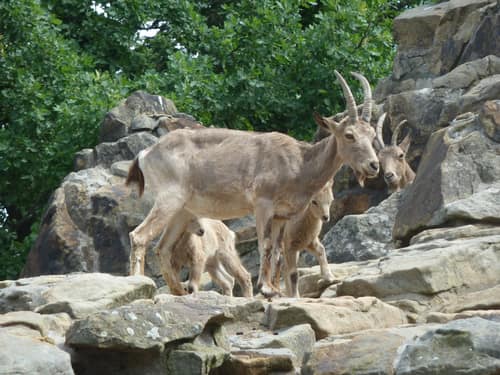
Competitor (c) Paul Morris, some rights reserved (CC BY-SA) · cc-by-sa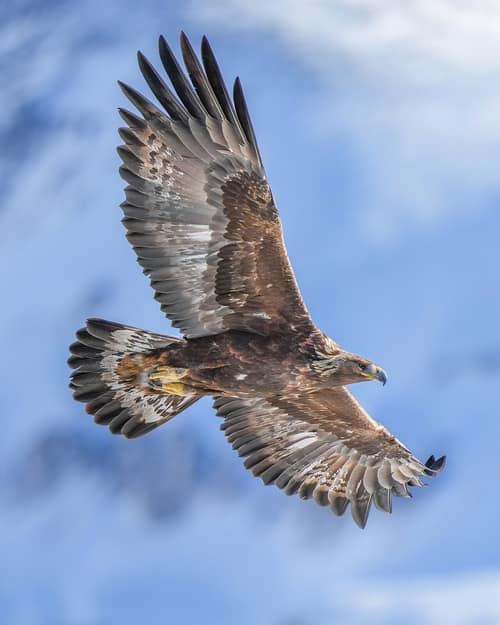
Predator Giles Laurent / CC BY-SA 4.0 · cc-by-sa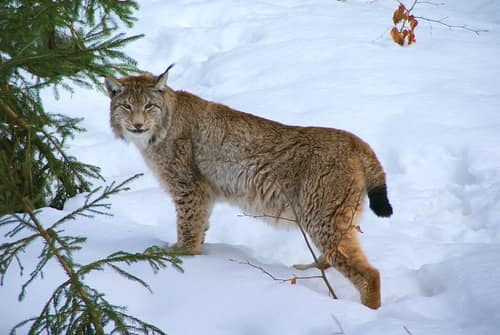
Predator Aconcagua (talk) / CC BY-SA 3.0 · cc-by-sa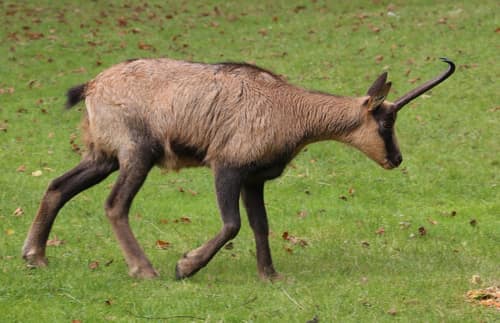
Close Relative (c) Rufus46, some rights reserved (CC BY-SA) · cc-by-sa
Help improve the field guideSomething wrong?
Checking your Fauna account…Report a name, category, or profile issue for review.