
Mammal · GBIF taxon 5220157
Speke's Gazelle
Gazella spekeiSpeke's gazelles adapt masterfully to the harsh, arid landscapes of the Horn of Africa, relying on moisture-rich vegetation to survive long dry spells. Unique among gazelles, both sexes possess an inflatable nasal sac that expands to produce loud, trumpet-like alarm calls when danger threatens. Small herds navigate stony brush and steppes, continuously scanning the open terrain for approaching predators.
Desert DwellerHerbivore
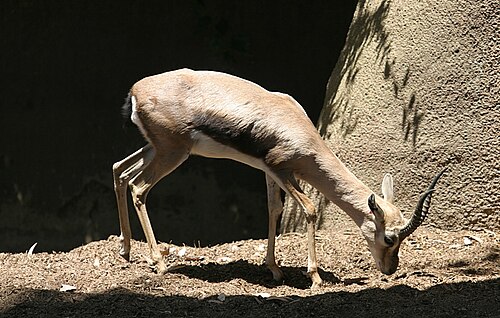
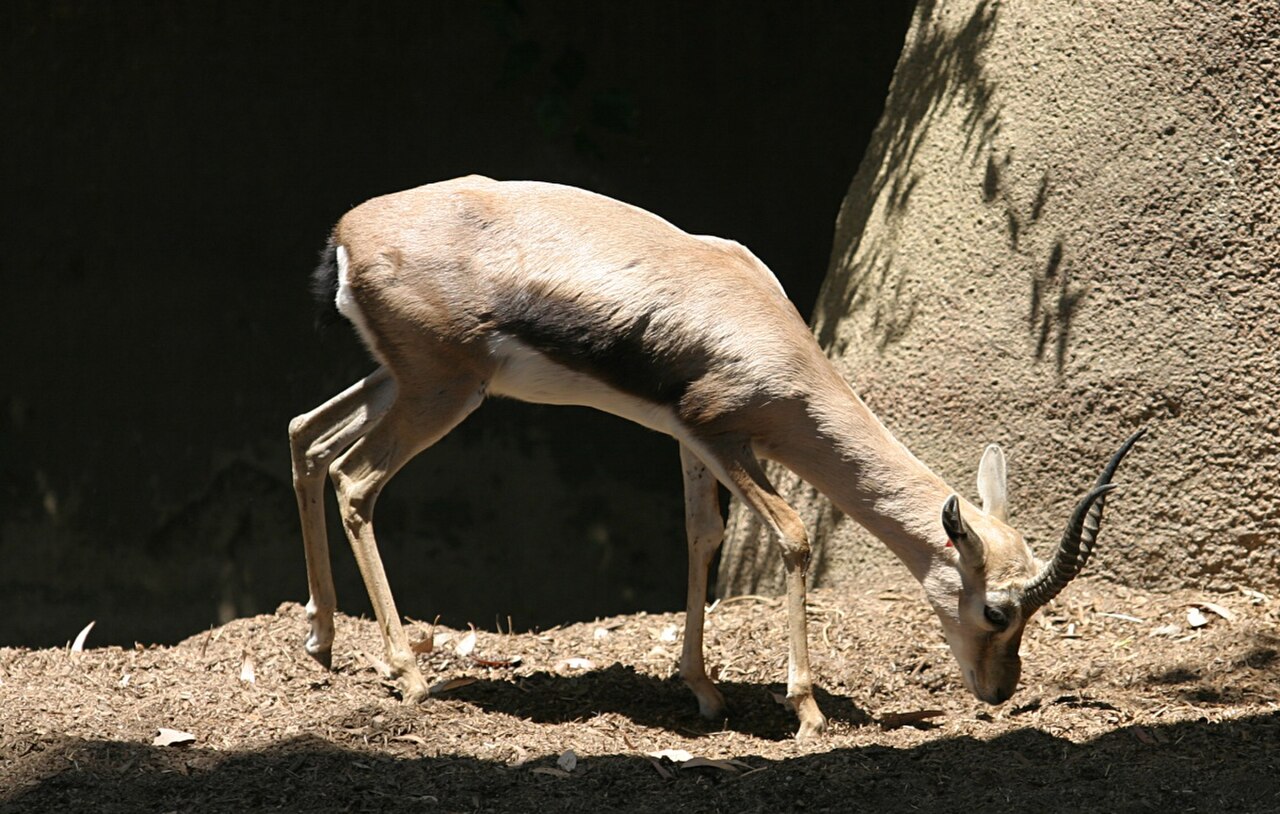
Licensed referenceen:User:Cburnett / CC BY-SA 3.0 · cc-by-sa
—observations
—countries
—peak records
EndangeredConservation statusIUCN Red List categoriesLCNTVUENCREWEXEndangeredRed List categories, explained →
Diet & prey
- Desert grasses
- Acacia foliage
- Low shrubs
Predators
- Cheetah
- Leopard
- Caracal
ThreatsHabitat fragmentation, overgrazing, hunting
HabitatsStony brush, grass steppes, semi-deserts
Life span10–12 years
Size / weightNot available
Classification
- FamilyBovidae
- SpeciesGazella spekei
Range data is not available yet.
Interaction riskLow
- Low
- Moderate
- High
- Very high
- Why interaction risk is low
- Safe to observe at a normal distance.
- What to notice
- Recognized as the smallest gazelle, featuring ringed horns, a dark lateral stripe, and loose skin folds on the snout.
- Support conservation
- Observe from inside a vehicle or established path, avoiding any sudden movements that scatter herds.
Responsible observation
- Observation Distance: Maintain a respectful distance to avoid triggering herd alarm flights.
- Vocalization Cues: Listen for the resonant honking sound produced through their unique nasal sacs.
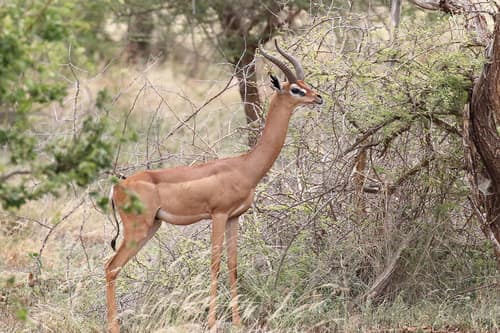
Frequent Companion (c) Fabrice Stoger, some rights reserved (CC BY-SA) · cc-by-sa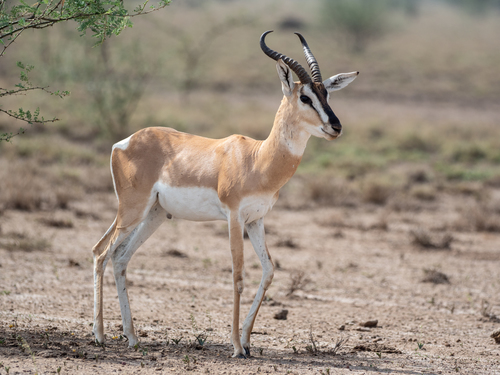
Competitor (c) Forest Botial-Jarvis, some rights reserved (CC BY), uploaded by Forest Botial-Jarvis · cc-by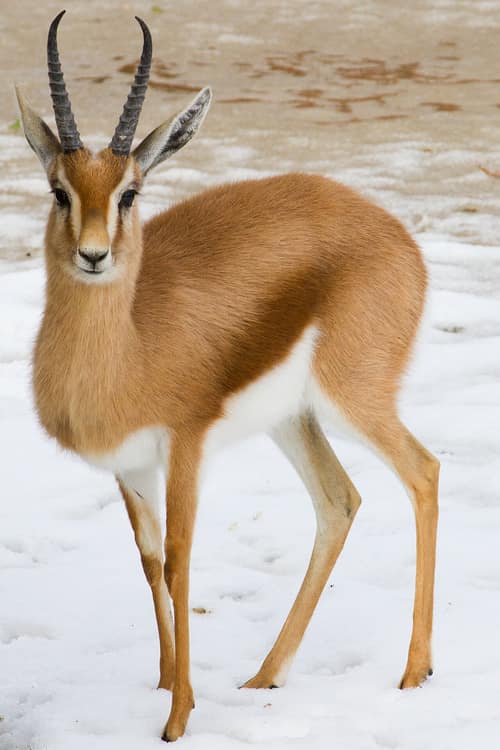
Close Relative Khendon / CC BY-SA 3.0 · cc-by-sa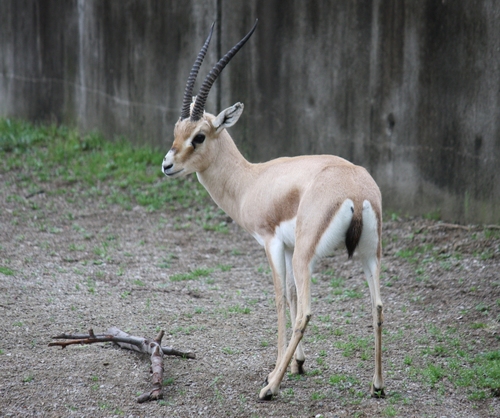
Close Relative (c) Ltshears, some rights reserved (CC BY-SA) · cc-by-sa
Help improve the field guideSomething wrong?
Checking your Fauna account…Report a name, category, or profile issue for review.