
Mammal · GBIF taxon 5220111
Black Rhinoceros
Diceros bicornisAlso known as Black Rhino, Hooked-Lip Rhinoceros
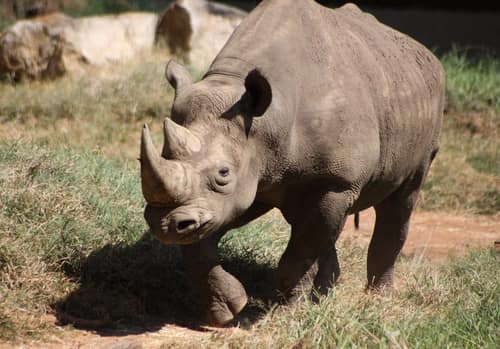
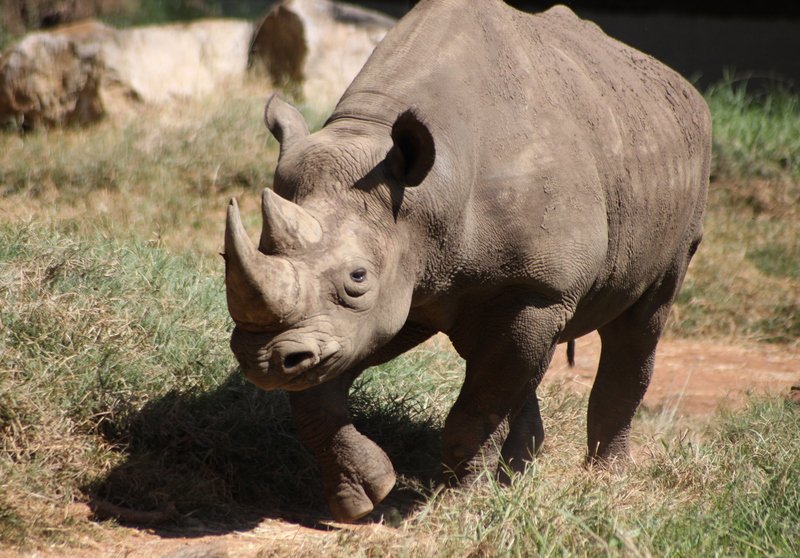
Black rhinoceroses are solitary browsers that use a distinctive prehensile upper lip to strip leaves and twigs from thorny bushes. Males establish scent-marked territories using communal dung middens and spray urine to signal their presence to neighbors. Despite poor eyesight, these thick-skinned megaherbivores rely on acute hearing and scent to detect danger and communicate with snorts and squeals.
MegafaunaBrowsingSolitary
—observations
—countries
—peak records
Critically EndangeredConservation statusIUCN Red List categoriesLCNTVUENCREWEXCritically EndangeredRed List categories, explained →
Diet & prey
- Browsing herbivore (woody plants, leafy bushes, succulents, fruits)
Predators
- Lions
- Spotted Hyenas
ThreatsPoaching for horn, habitat loss, human encroachment
HabitatsSavannas, shrublands, deserts, montane forests
Life span35–50 years
Size / weightNot available
Classification
- FamilyRhinocerotidae
- SpeciesDiceros bicornis
Native
Interaction riskHigh
- Low
- Moderate
- High
- Very high
- Why interaction risk is high
- Large and unpredictable; stay inside a safari vehicle and observe from a safe distance.
- Why it is dangerous
- Massive weight paired with aggressive charges at speeds up to 55 km/h can flip vehicles and cause fatal goring injuries.
- How to recognize a risky encounter
- Recognized by a dark grey body, two sharp horns, and a hooked upper lip.
- What to do
- Remain quiet inside a vehicle and never approach on foot unless accompanied by armed rangers.
- What to notice
- Distinguished by its pointed prehensile lip and solitary presence in dry acacia bushlands.
- Support conservation
- Turn off GPS tagging on photos before posting to social media to obscure animal locations.
Responsible observation
- Vehicle Observation: Remain inside an enclosed safari vehicle when watching individuals in game reserves.
- Scent Awareness: Stay downwind during guided walking safaris because rhinos possess a keen sense of smell.
- Noise Control: Speak in low whispers as acute hearing makes rhinos quick to startle and charge.
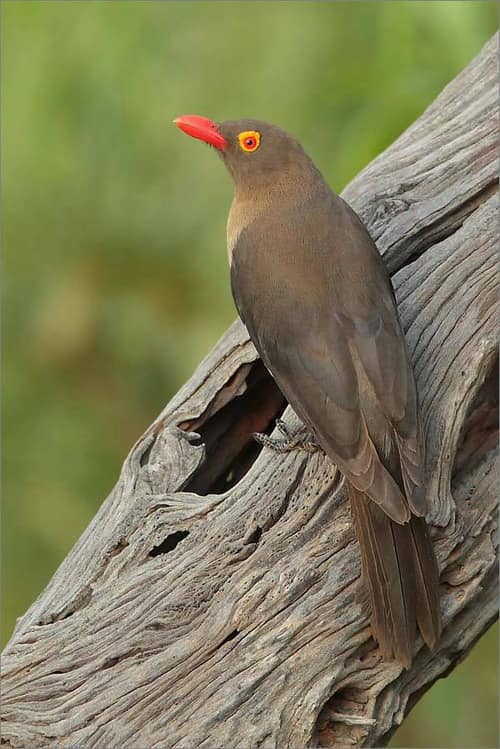
Symbiont Gerrie van Vuuren / CC BY-SA 4.0 · cc-by-sa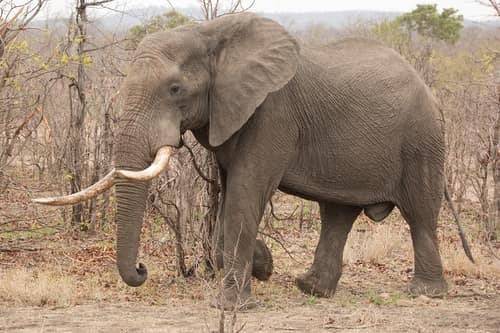
Competitor (c) dhfischer, some rights reserved (CC BY), uploaded by dhfischer · cc-by
Predator "African Lion" by Mathias Appel is marked with CC0 1.0. To view the terms, visit https://creativecommons.org/publicdomain/zero/1.0/. · cc0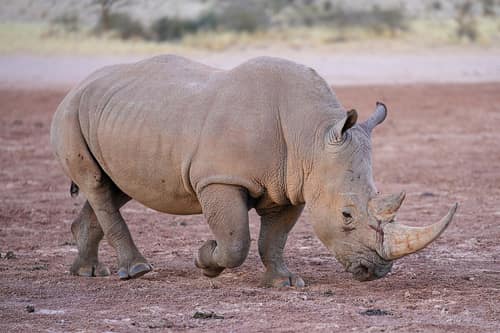
Close Relative Giles Laurent / CC BY-SA 4.0 · cc-by-sa
Help improve the field guideSomething wrong?
Checking your Fauna account…Report a name, category, or profile issue for review.