
Mammal
Beluga
Delphinapterus leucasAlso known as White Whale, Sea Canary, Melonhead
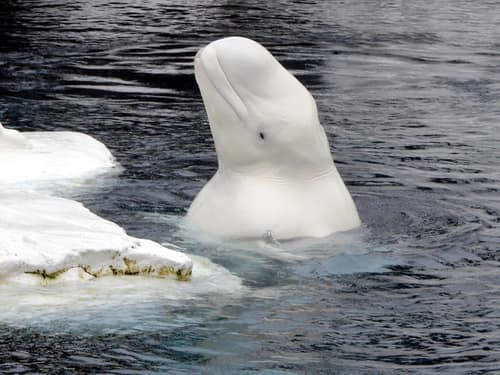
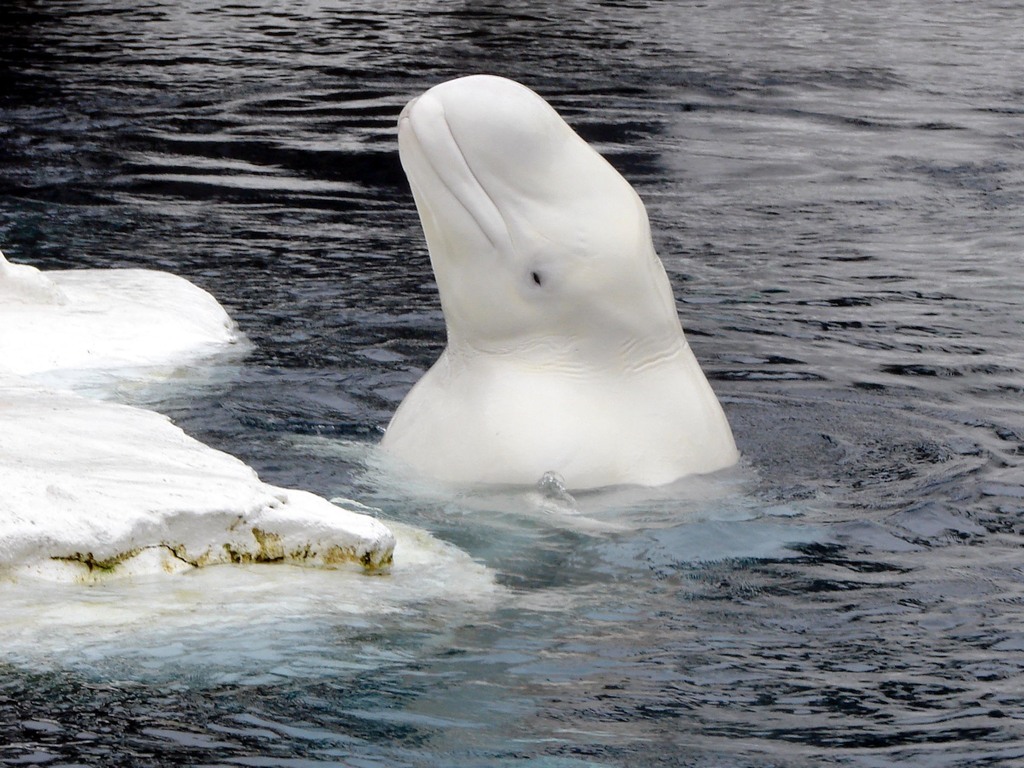
Beluga whales navigate icy northern seas with remarkable agility, using a flexible unfused neck to swivel their heads and turn sharply in shallow coastal bays. Famous for their white coloration and bulbous, malleable forehead melon, they generate a complex array of squeaks, whistles, and clicks that echo through dark Arctic waters. Summer congregations bring thousands of individuals into warm river estuaries to molt their thick yellowing skin and raise young calves.
Marine MammalArcticVocal
—observations
—countries
—peak records
Least ConcernConservation statusIUCN Red List categoriesLCNTVUENCREWEXLeast ConcernRed List categories, explained →
Diet & preyCod, Salmon, Crab
Predators
- Orca
- Polar Bear
ThreatsClimate change, loss of sea ice, ocean noise, pollution
HabitatsArctic and sub-Arctic coastal waters, estuaries, ice leads
Life span35–50 years
Classification
- OrderCetacea
- FamilyMonodontidae
- GenusDelphinapterus
- SpeciesDelphinapterus leucas
Range data is not available yet.
Interaction riskHigh
- Low
- Moderate
- High
- Very high
- Why interaction risk is high
- Safe to observe at a respectful distance from boats or shore.
- What to notice
- Recognized by their striking pure white skin, absence of a dorsal fin, and expressive bulbous melon.
- Support conservation
- Never approach or chase pods in motorized watercraft; reduce boat speed in known calving estuaries.
Responsible observation
- Observe from Distance: Keep motorized boats at least 100 meters away to prevent acoustic disturbance.
- Ears Open: Listen near estuaries during summer for their high-pitched calls echoing above water.
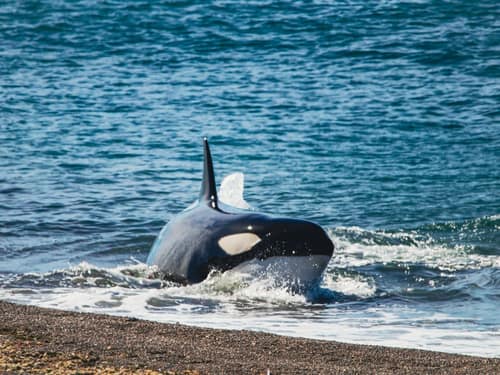
Predator (c) Martín Acosta Albarracín, some rights reserved (CC BY), uploaded by Martín Acosta Albarracín · cc-by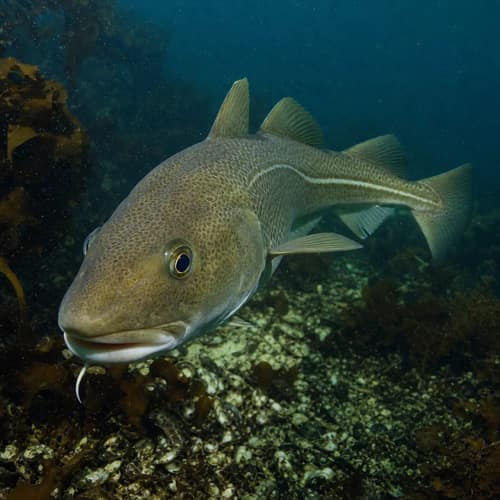
Prey NOAA / Public Domain (NOAA) · Public Domain (NOAA)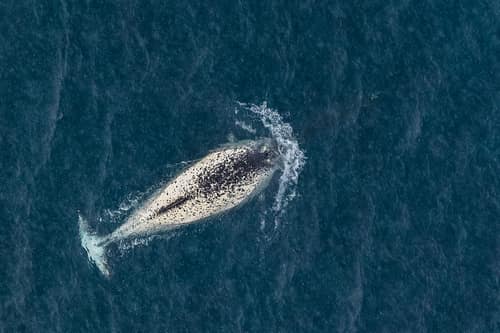
Close Relative (c) пресс-служба ПАО "Газпром нефть", some rights reserved (CC BY-SA) · cc-by-sa
Help improve the field guideSomething wrong?
Checking your Fauna account…Report a name, category, or profile issue for review.