
Mammal
Indian Crested Porcupine
Hystrix indicaAlso known as Indian Porcupine, Crested Porcupine
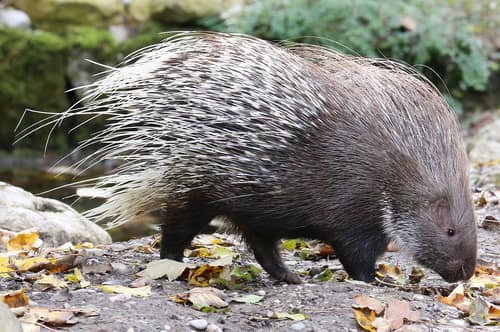
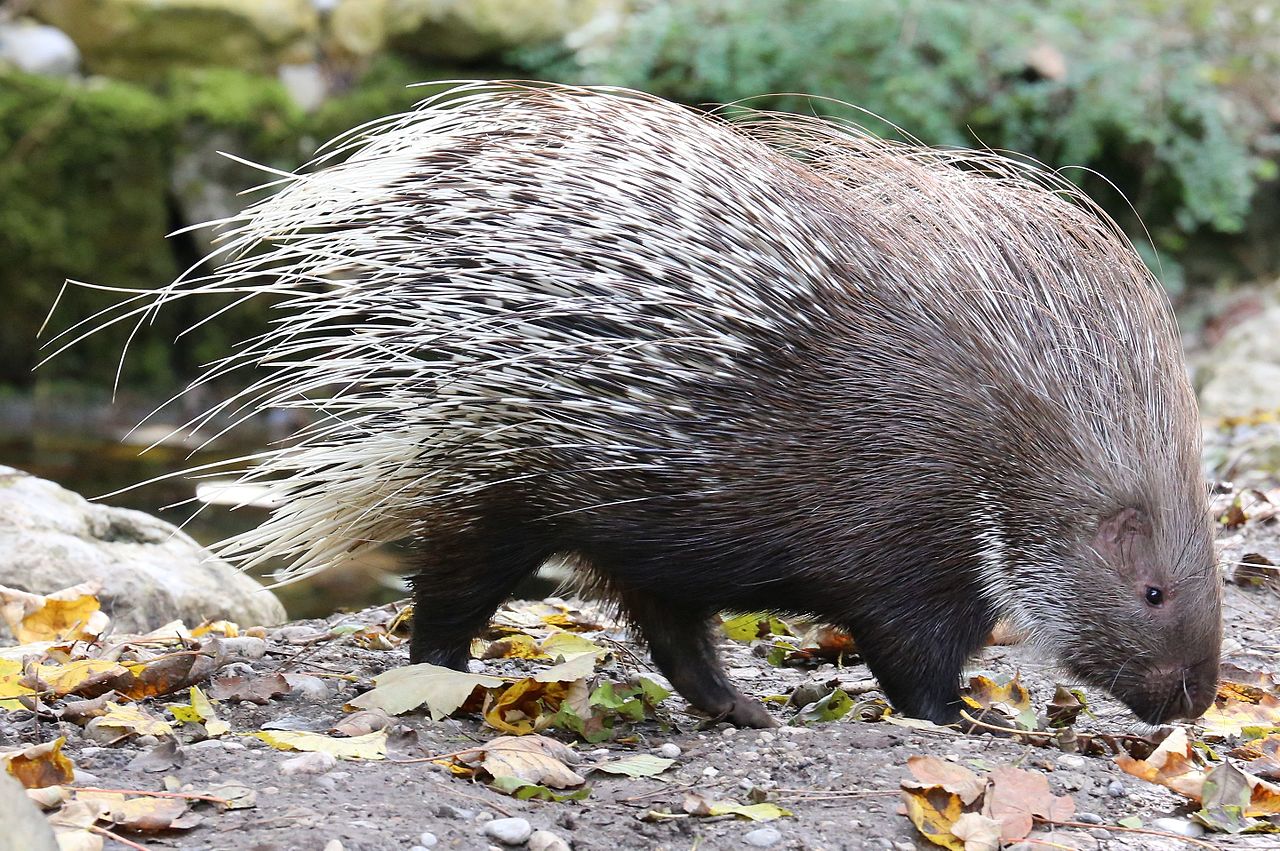
Indian crested porcupines are heavy nocturnal rodents renowned for their striking coat of sharp, black-and-white banded quills. They construct extensive underground burrow systems in rocky hillsides and scrublands, emerging at dusk to forage for roots, tubers, and bark. When threatened, they raise their broad neck crest, stamp their feet, and rattle specialized hollow quills on their tail to ward off predators.
NocturnalLarge RodentHerbivorous
—observations
—countries
—peak records
Least ConcernConservation statusIUCN Red List categoriesLCNTVUENCREWEXLeast ConcernRed List categories, explained →
Diet & preyRoots, Tubers, Tree Bark
Predators
- Tigers
- Leopards
- Striped Hyenas
ThreatsHabitat loss, agricultural persecution, and hunting
HabitatsScrublands, forests, grasslands, and rocky hillsides
Life span10–15 years
Classification
- FamilyHystricidae
- SpeciesHystrix indica
Range data is not available yet.
Interaction riskLow
- Low
- Moderate
- High
- Very high
- Why interaction risk is low
- Drives sharp quills into attackers when cornered; maintain a safe distance and keep pets leashed.
- Why it is dangerous
- When threatened, it charges backward to drive sharp quills into intruders, causing deep puncture wounds and infections.
- How to recognize a risky encounter
- Identified by its large size, prominent crest of long white bristles, and thick black-and-white banded quills.
- What to do
- Give the animal a wide berth at night and keep pets securely leashed.
Responsible observation
- Night Observations: Use a low red light at night to observe feeding without startling the animal.
- Recognize Warnings: Listen for hollow tail quills rattling together, which indicates distress.
- Keep Pets Leashed: Restrain domestic dogs on trail walks after dark to prevent quilling incidents.
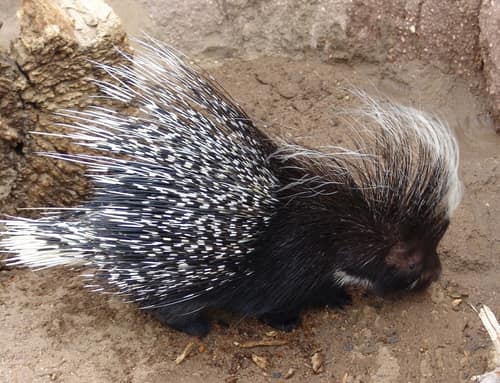
Close Relative (c) Drew Avery, some rights reserved (CC BY) · cc-by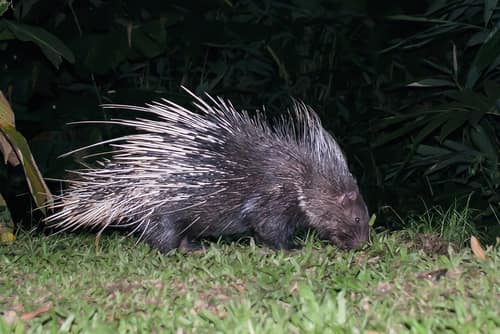
Close Relative Rushenb / CC BY-SA 3.0 · cc-by-sa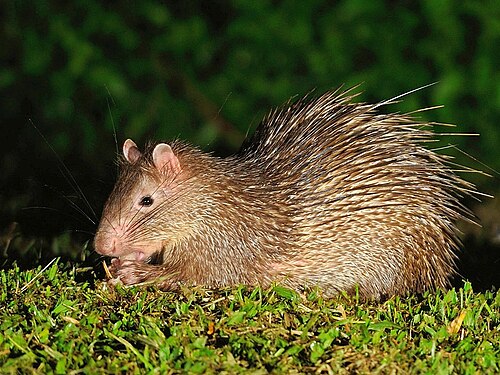
Close Relative tontantravel / CC BY-SA 2.0 · cc-by-sa
Help improve the field guideSomething wrong?
Checking your Fauna account…Report a name, category, or profile issue for review.