
Mammal · GBIF taxon 5219836
Brown Lemming
Lemmus trimucronatusAlso known as Canadian Lemming, Nearctic Brown Lemming, North American Brown Lemming
Brown lemmings are stocky tundra rodents that play a crucial role as key herbivores in Arctic food webs. During winter, they remain active beneath deep snowpack, building elaborate grass nests and feeding on buried mosses and sedges. Their populations undergo dramatic boom-and-bust cycles every three to four years, directly driving the breeding success of northern predators.
TundraBurrowingHerbivore
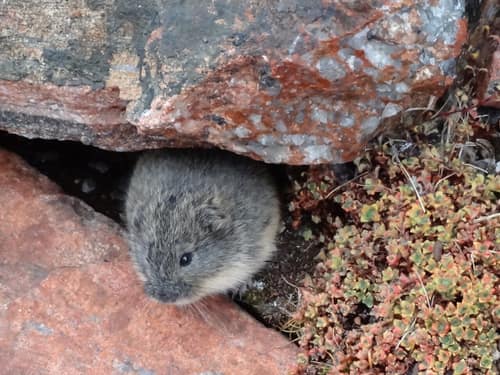
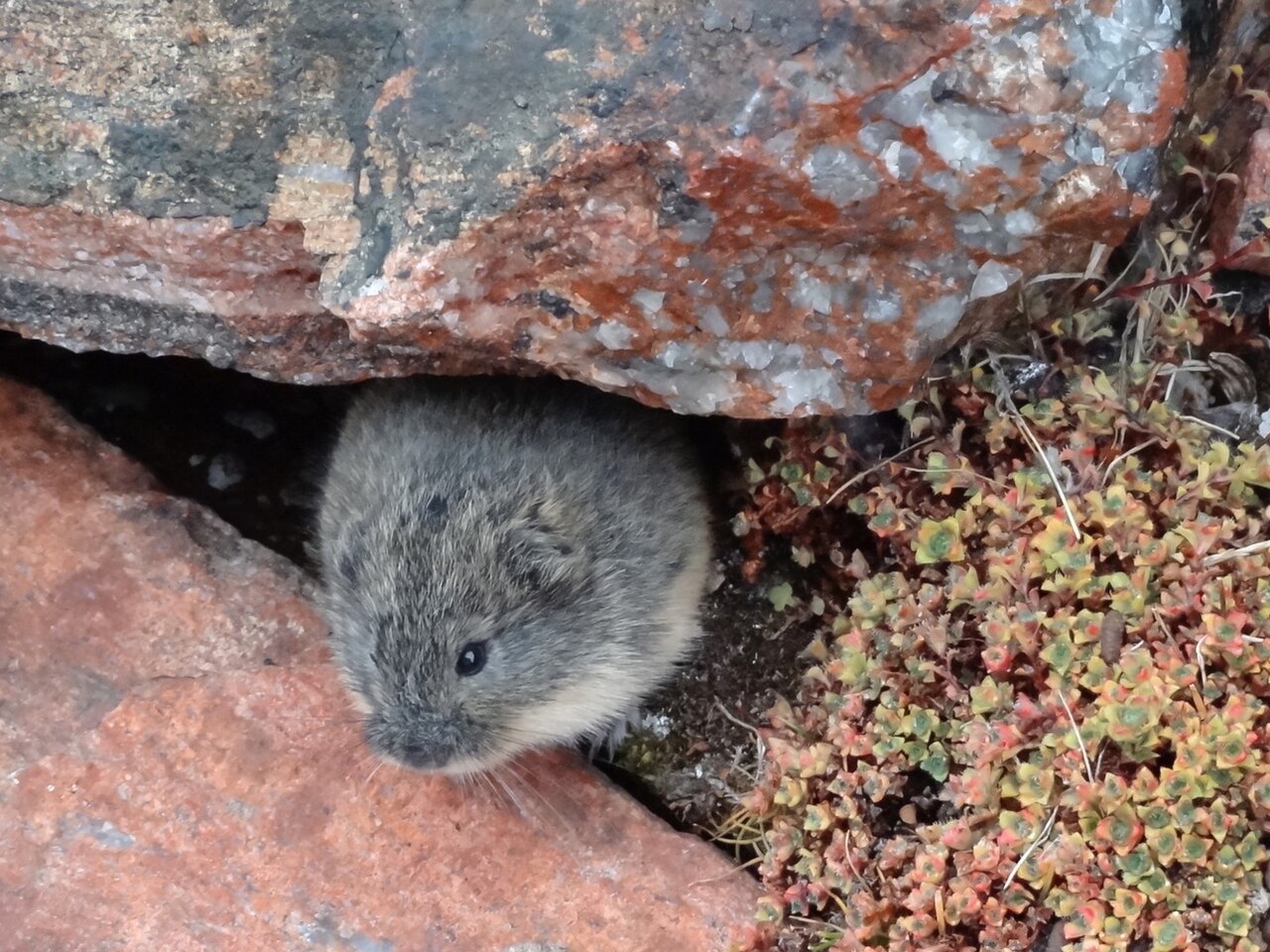
Licensed referenceRobert McLeod / CC0 · cc0
—observations
—countries
—peak records
Least ConcernConservation statusIUCN Red List categoriesLCNTVUENCREWEXLeast ConcernRed List categories, explained →
Diet & prey
- Mosses
- Sedges
- Grasses
Predators
- Snowy Owl
- Arctic Fox
- Long-tailed Jaeger
ThreatsClimate change, habitat degradation, and unpredictable snow cover
HabitatsArctic tundra, moist meadows, dwarf shrub heath
Life span1–2 years
Size / weightNot available
Classification
- FamilyCricetidae
- SpeciesLemmus trimucronatus
Range data is not available yet.
Interaction riskLow
- Low
- Moderate
- High
- Very high
- Why interaction risk is low
- Capable of delivering a sharp bite if cornered or handled; admire from a safe distance.
Responsible observation
- Observe winter sign: Look for ventilated snow shafts and clipped sedge stems along tundra trails.
- Respect burrows: Avoid stepping on delicate tundra moss mounds where underground nest tunnels are built.
- Watch bird behavior: Prowling owls and jaegers in summer tundra often indicate active lemming populations.
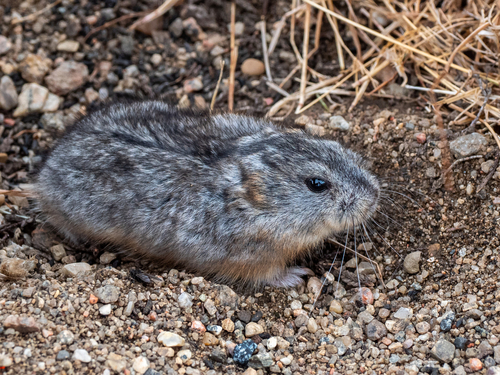
Co-occurring Species (c) Piotr Lukasik, some rights reserved (CC BY) · cc-by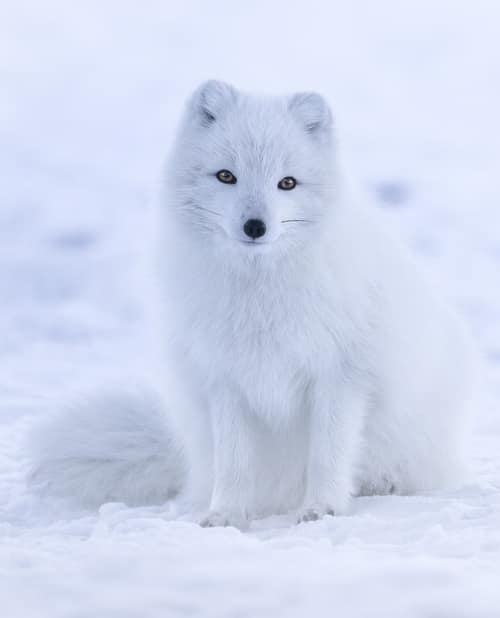
Predator Jonathen Pie https://unsplash.com/@r3dmax / CC0 · cc0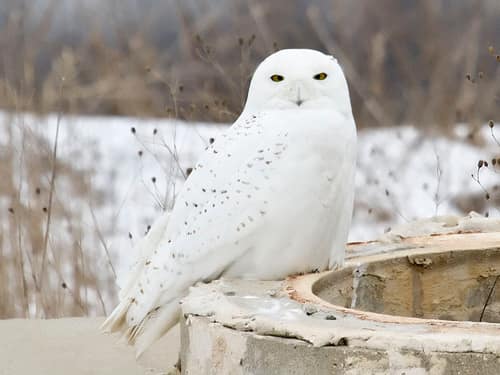
Predator (c) Bill Bouton, some rights reserved (CC BY-SA) · cc-by-sa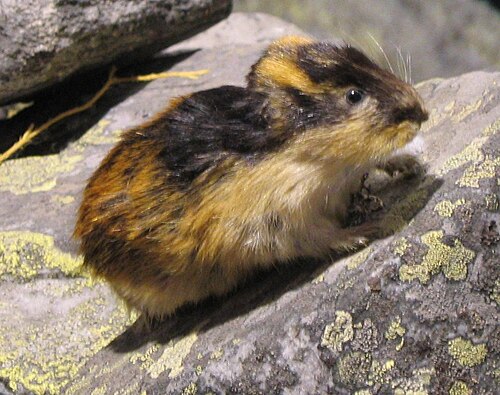
Close Relative Argus fin / Public domain · cc0
Help improve the field guideSomething wrong?
Checking your Fauna account…Report a name, category, or profile issue for review.