
Mammal · GBIF taxon 5219835
Siberian Lemming
Lemmus sibiricusAlso known as West Siberian Lemming, Western Siberian Brown Lemming, Brown Lemming
Siberian lemmings anchor the Arctic tundra ecosystem, undergoing dramatic multi-year population cycles that dictate the breeding success of regional predators. These stocky rodents construct extensive subterranean and subnivean tunnel networks beneath the winter snow, feeding continuously on tundra mosses and sedges. Distinctive tawny-brown fur and tiny, inconspicuous ears help conserve body heat during freezing winters.
TundraHerbivoreRodent
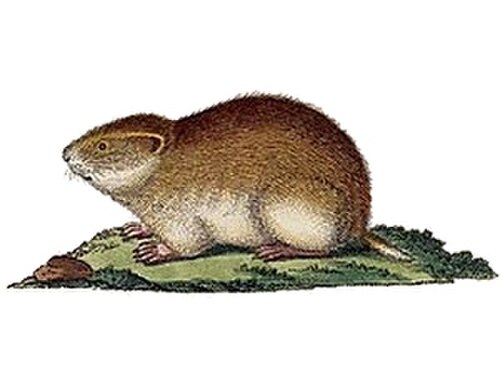
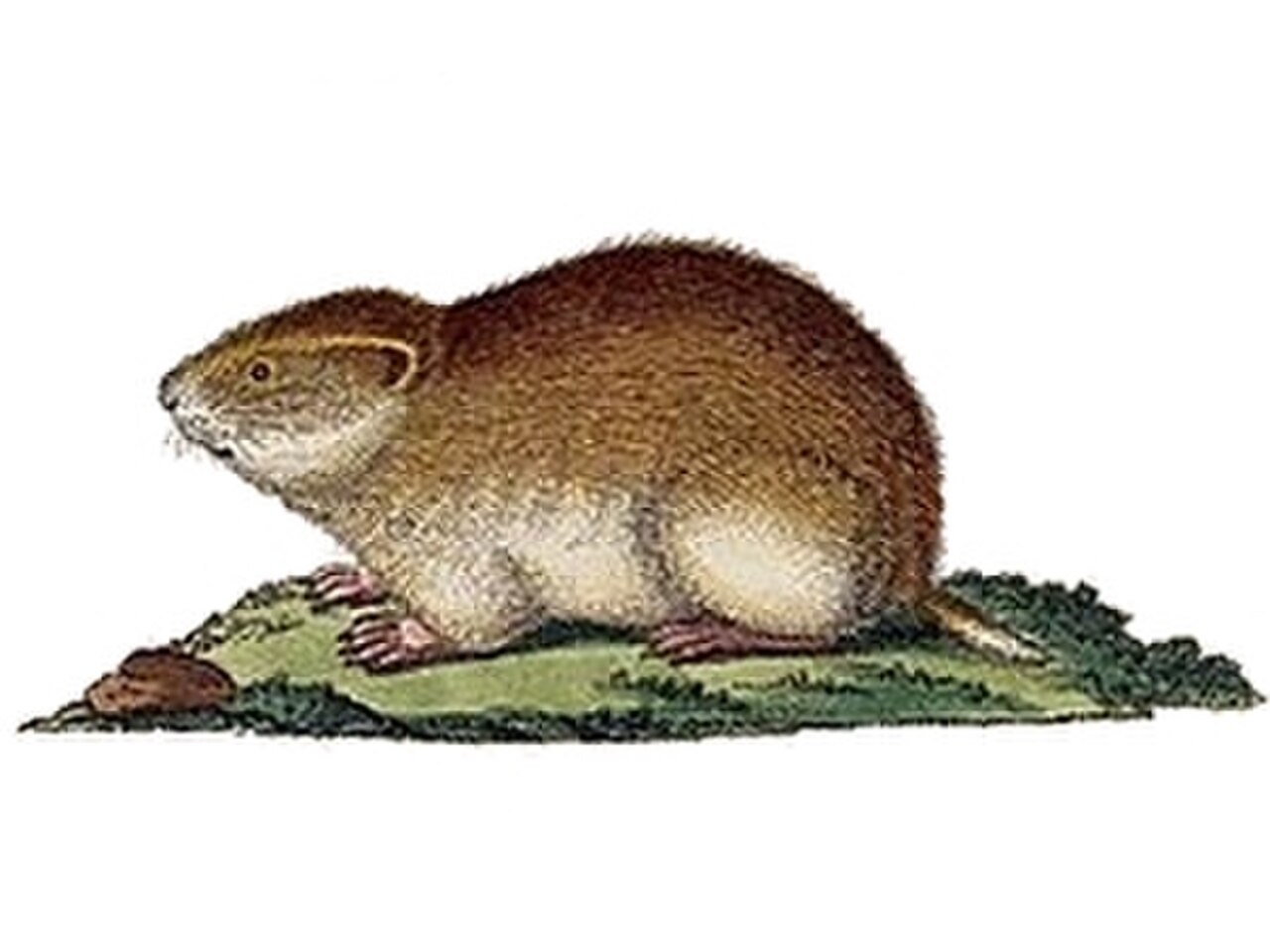
Licensed referenceF. J. Bertuch ? / Public domain · cc0
—observations
—countries
—peak records
Least ConcernConservation statusIUCN Red List categoriesLCNTVUENCREWEXLeast ConcernRed List categories, explained →
Diet & prey
- Sedges
- Mosses
- Arctic Willow
Predators
- Snowy Owl
- Arctic Fox
- Long-tailed Jaeger
ThreatsClimate warming, winter rain-on-snow events, collapsing snowpack structure
HabitatsArctic tundra, damp dwarf-shrub meadows, subarctic peatlands
Life span1–2 years
Size / weightNot available
Classification
- FamilyCricetidae
- SpeciesLemmus sibiricus
Range data is not available yet.
Interaction riskLow
- Low
- Moderate
- High
- Very high
- Why interaction risk is low
- May bite defensively if cornered or handled; observe from a safe distance.
Responsible observation
- Observation: Watch damp tundra sedge meadows during summer for active foraging runs.
- Winter Tracks: Look for subnivean snow tunnels and clipped tundra vegetation post-thaw.
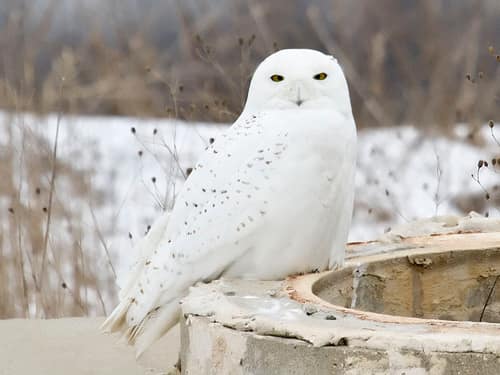
Predator (c) Bill Bouton, some rights reserved (CC BY-SA) · cc-by-sa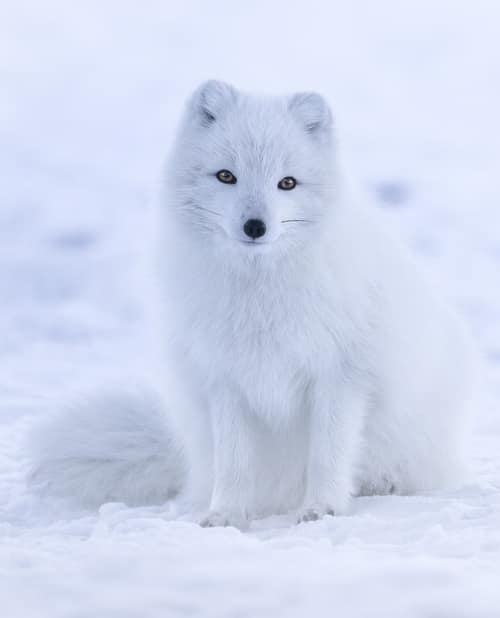
Predator Jonathen Pie https://unsplash.com/@r3dmax / CC0 · cc0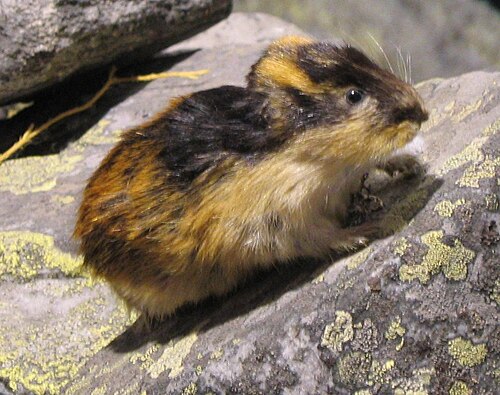
Close Relative Argus fin / Public domain · cc0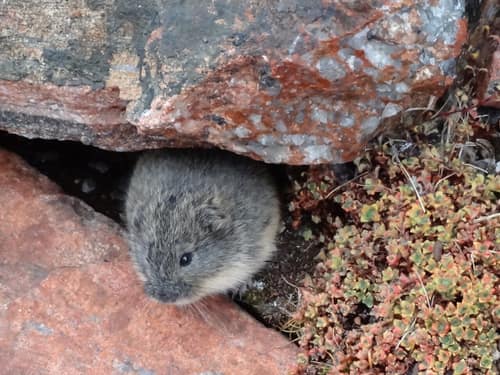
Close Relative Robert McLeod / CC0 · cc0
Help improve the field guideSomething wrong?
Checking your Fauna account…Report a name, category, or profile issue for review.