
Mammal
Northern White-breasted Hedgehog
Erinaceus roumanicusAlso known as White-chested Hedgehog, Eastern European Hedgehog, White-breasted Hedgehog
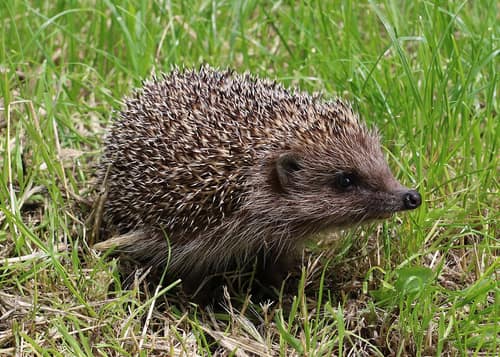
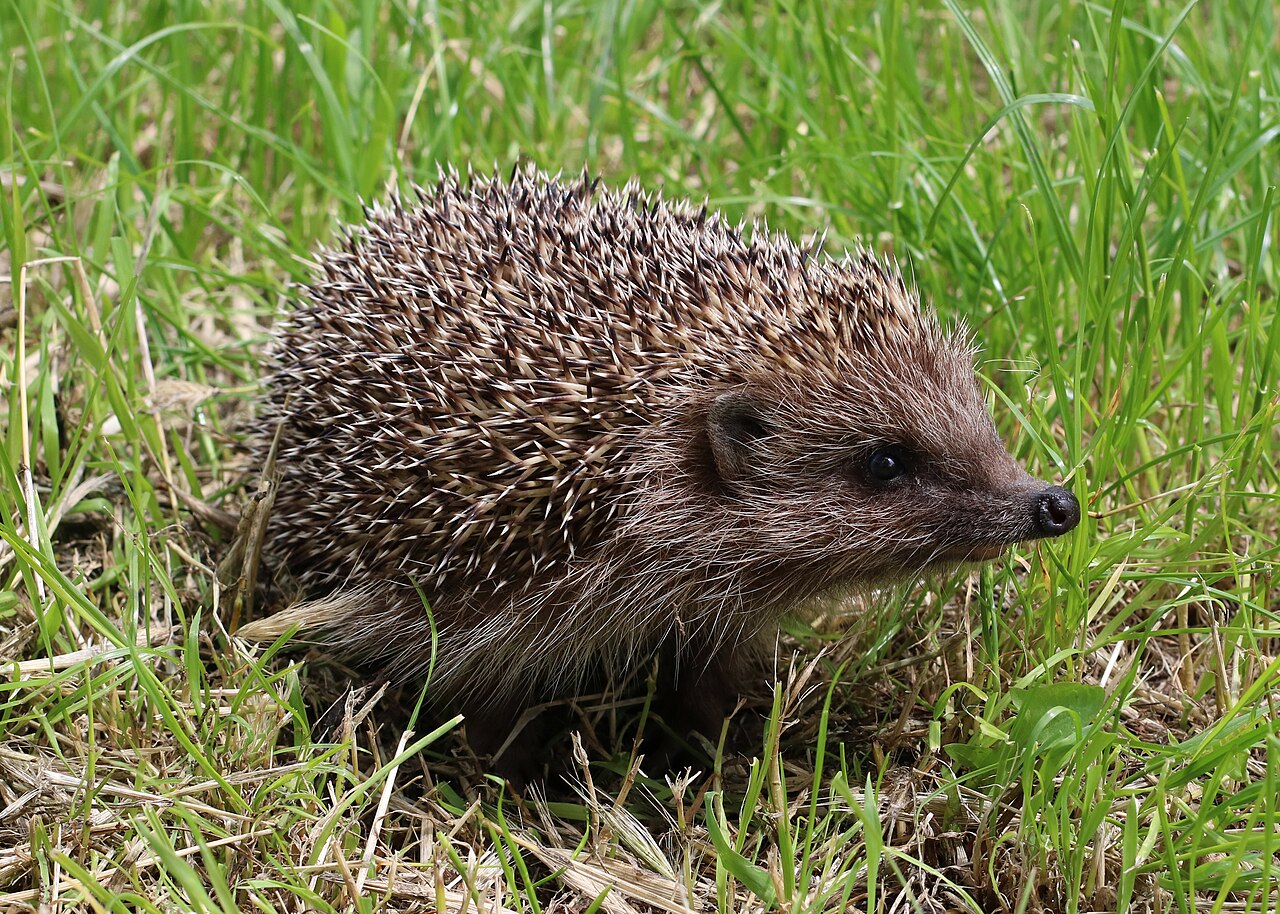
Northern white-breasted hedgehogs patrol gardens, hedgerows, and woodland edges under the cover of darkness, snuffling through leaf litter for invertebrates. When threatened, they roll into a tight ball of sharp keratious quills, concealing their vulnerable faces and pale bellies. As winter approaches, individuals build insulated nests of fallen leaves and dry grass to enter deep seasonal hibernation.
NocturnalSpinyMammal
—observations
—countries
—peak records
Least ConcernConservation statusIUCN Red List categoriesLCNTVUENCREWEXLeast ConcernRed List categories, explained →
Diet & preyBeetles, Earthworms, Slugs
Predators
- European Badger
- Eurasian Eagle-Owl
- Red Fox
ThreatsRoad mortality, agricultural pesticides, and habitat fragmentation
HabitatsDeciduous forests, scrublands, farmland, and suburban gardens
Life span3–7 years in the wild
Classification
- OrderErinaceomorpha
- FamilyErinaceidae
- GenusErinaceus
- SpeciesErinaceus roumanicus
Native
Interaction riskModerate
- Low
- Moderate
- High
- Very high
- Why interaction risk is moderate
- May bite if handled and often carries ticks or fleas; observe quietly without touching.
- Why it is dangerous
- Wild hedgehogs carry ectoparasites such as ticks and fleas, and may nip defensively if cornered or picked up.
- How to recognize a risky encounter
- Recognizable by the distinct patch of bright white fur extending across the chest and throat.
- What to do
- Avoid picking up wild individuals; use heavy gloves and a towel if rescue is necessary.
Responsible observation
- Garden Safety: Create small gaps in fences to allow hedgehogs to roam safely between yards.
- Night Observation: Use a red-filtered flashlight to watch their foraging without alarming them.
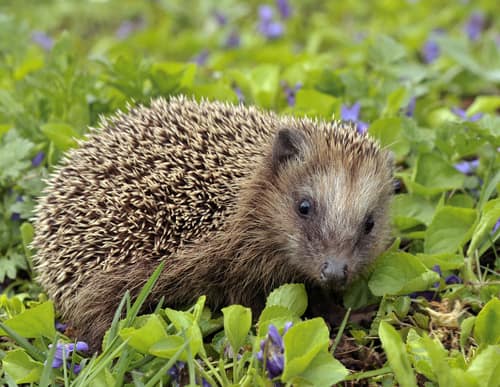
Close Relative (c) Michael Gäbler, some rights reserved (CC BY-SA) · cc-by-sa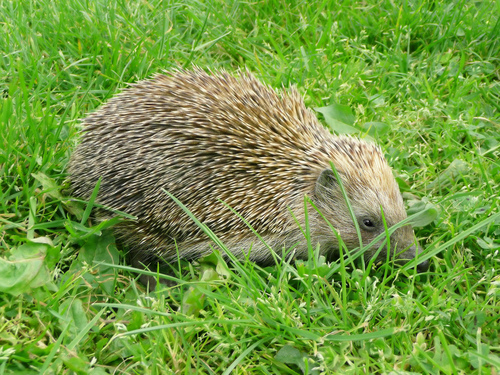
Close Relative (c) Nevit Dilmen, some rights reserved (CC BY-SA) · cc-by-sa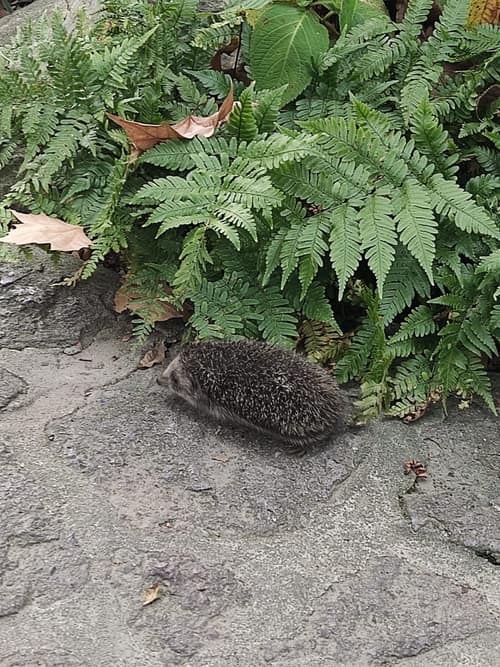
Close Relative (c) Michael Andresek, some rights reserved (CC BY) · cc-by
Help improve the field guideSomething wrong?
Checking your Fauna account…Report a name, category, or profile issue for review.