
Mammal · GBIF taxon 5219556
Mandrill
Mandrillus sphinxMandrills travel in massive social groups known as hordes, sometimes numbering over six hundred individuals navigating the rainforest floor. Dominant males display vibrant blue and red facial ridges alongside olive-green coats, using their striking coloration and formidable canines to assert status. As seed dispersers across equatorial Africa, these ground-dwelling primates spend daylight hours foraging for fruits, insects, and small vertebrates before sleeping high in the forest canopy.
RainforestSocialColorful
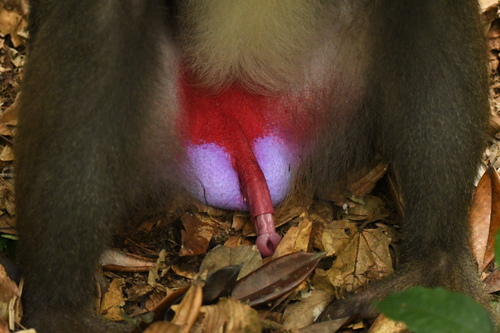
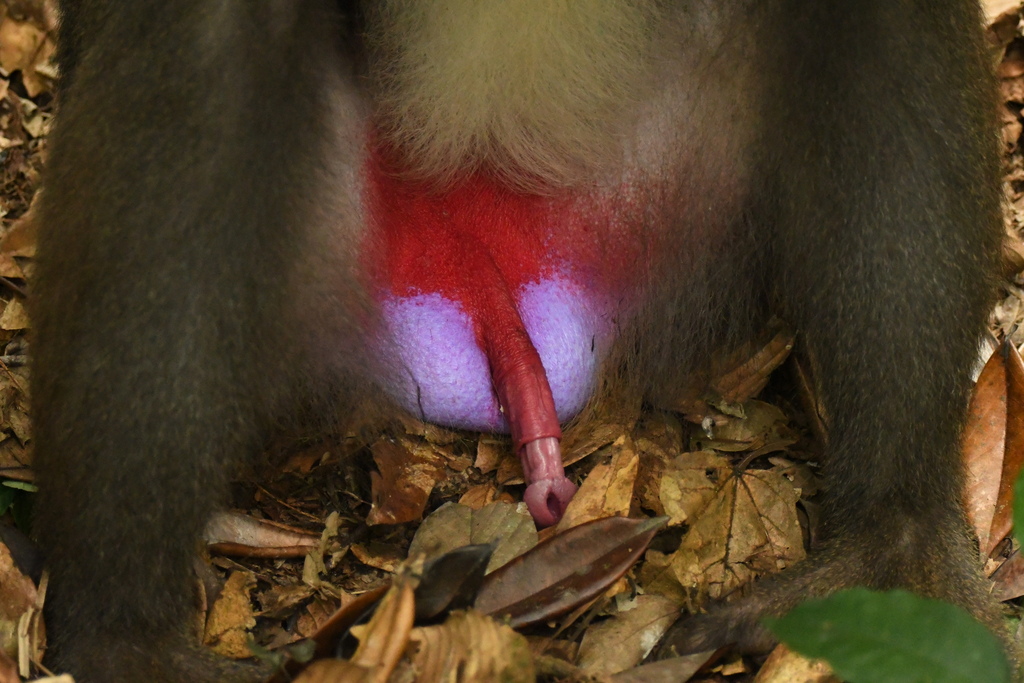
Licensed reference(c) Julien Renoult, some rights reserved (CC BY) · cc-by
—observations
—countries
—peak records
VulnerableConservation statusIUCN Red List categoriesLCNTVUENCREWEXVulnerableRed List categories, explained →
Diet & prey
- Fruits
- Insects
- Small Rodents
Predators
- Leopard
- Crowned Eagle
- African Rock Python
ThreatsDeforestation, logging, bushmeat hunting
HabitatsTropical rainforests, gallery forests
Life span20–30 years
Size / weightNot available
Classification
- FamilyCercopithecidae
- SpeciesMandrillus sphinx
Native
Interaction riskHigh
- Low
- Moderate
- High
- Very high
- Why interaction risk is high
- Large males possess sharp canines and can defend themselves aggressively; maintain a safe distance.
- Why it is dangerous
- Dominant males possess massive, sharp canine teeth capable of inflicting severe bite wounds if threatened or cornered.
- How to recognize a risky encounter
- Look for bright blue and red facial ridges, an orange beard, and a stocky body with prominent canines in adult males.
- What to do
- Keep a wide berth and never approach wild individuals or make direct eye contact, which mandrills interpret as a challenge.
- What to notice
- Identified by colorful facial markings, olive-brown fur, and large social hordes moving through African rainforests.
- Support conservation
- Observe from established trails with a licensed guide, avoiding any actions that interrupt horde movement.
Responsible observation
- Distance observing: Keep a respectful distance, as adult males are powerful and can react aggressively if crowded.
- Social cues: Watch for head-bobbing and silent bared-teeth displays, which communicate hierarchy within the horde.
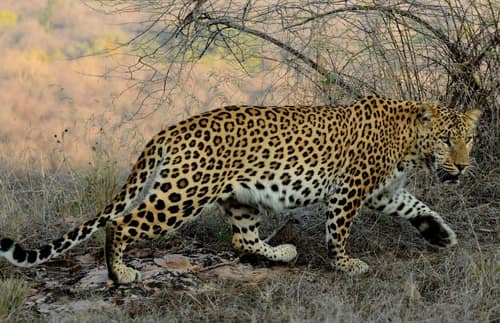
Predator (c) Raja bandi, some rights reserved (CC BY), uploaded by Raja bandi · cc-by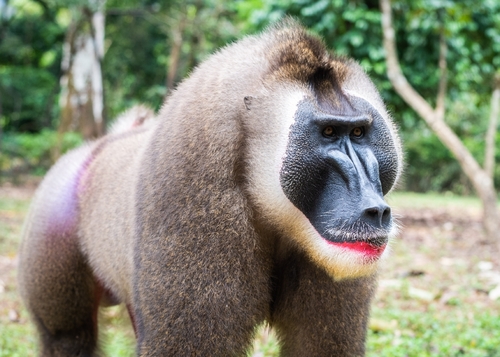
Close Relative (c) Dotun55, some rights reserved (CC BY-SA) · cc-by-sa Image unavailable
Close Relative
Help improve the field guideSomething wrong?
Checking your Fauna account…Report a name, category, or profile issue for review.