
Mammal
African Golden Cat
Profelis aurataAfrican golden cats are solitary, forest-dwelling hunters that slip through the dense understory of equatorial Africa with exceptional stealth. Their coats exhibit striking polymorphism, ranging from rich chestnut-red to smoky slate-grey, occasionally patterned with faint rosettes or bold leopard-like spots. Though predominantly terrestrial, they are skilled climbers that stalk a wide variety of prey, relying on sharp hearing and ambush tactics amid tangled vegetation.
RainforestSolitaryCarnivore
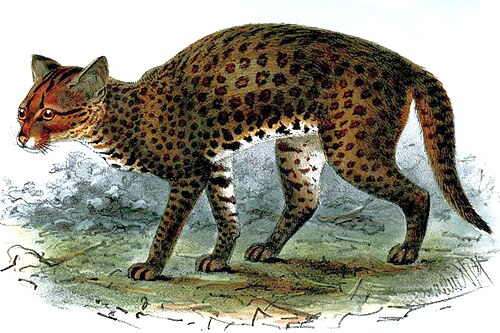
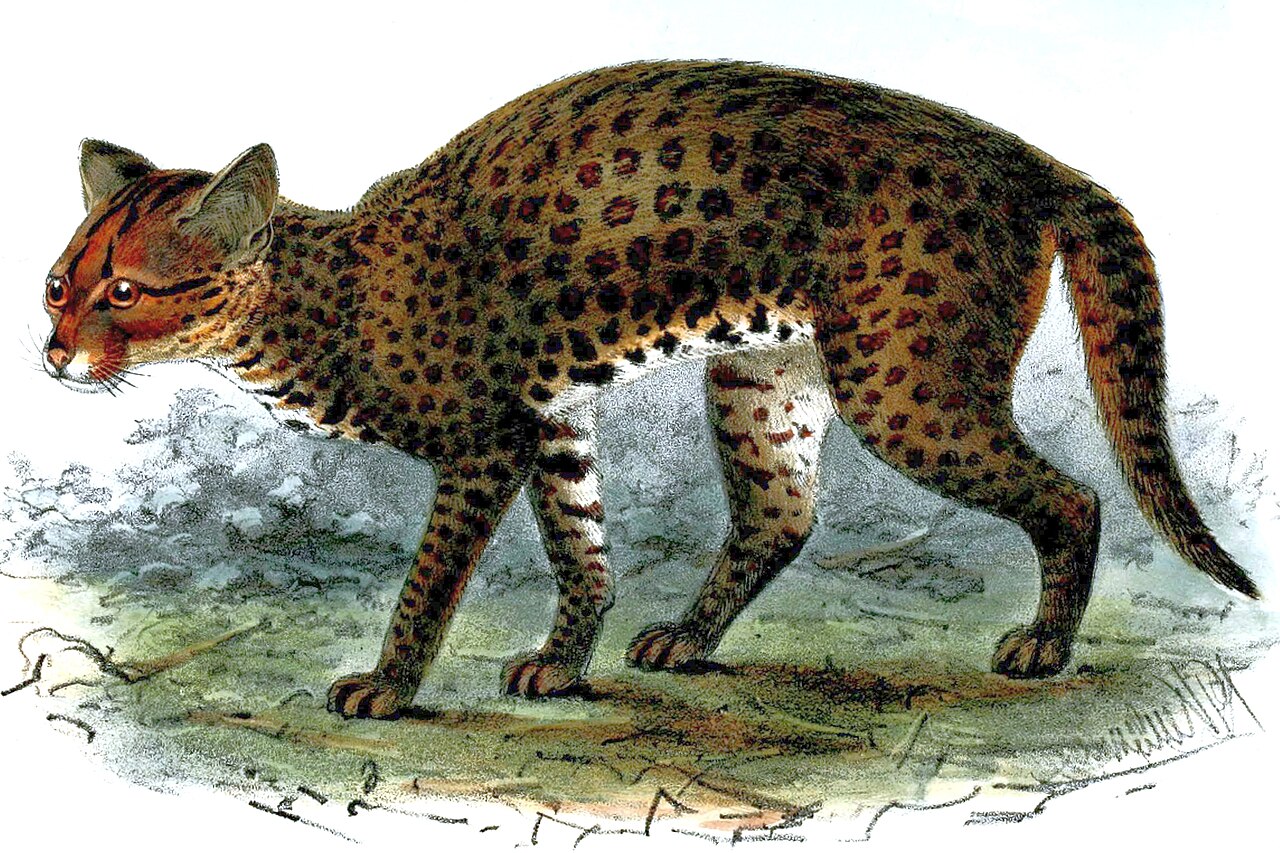
—observations
—countries
—peak records
VulnerableConservation statusIUCN Red List categoriesLCNTVUENCREWEXVulnerableRed List categories, explained →
Diet & preyBlue duiker, Giant pouched rat, Forest birds
Predators
- Leopard
- African rock python
ThreatsDeforestation, forest degradation, bushmeat snaring, and human persecution
HabitatsMoist tropical lowland rainforests, swamp forests, and cloud montane forests
Life span12–15 years
Classification
- FamilyFelidae
- SpeciesProfelis aurata
Range data is not available yet.
Interaction riskLow
- Low
- Moderate
- High
- Very high
- Why interaction risk is low
- Capable of inflicting deep puncture wounds and scratches if trapped; do not corner or approach.
- Why it is dangerous
- Retains powerful jaws, sharp canine teeth, and curved retractile claws capable of causing severe lacerations and deep bite trauma when stressed.
- How to recognize a risky encounter
- Look for a stocky, medium-sized cat with a small head, rounded ears lacking caracal tufts, and a variable reddish-brown to dark grey pelt.
- What to do
- Never attempt to approach, corner, or handle wild individuals, particularly if encountered in a snare; notify local wildlife authorities immediately.
- What to notice
- Recognized by its compact build, dark tail with a black tip, and high degree of forest endemism in Central and West Africa.
- Support conservation
- Maintain strict non-disturbance of core rainforest corridors and refrain from sharing exact GPS coordinates of field sightings.
Responsible observation
- Use Trail Cameras: Direct visual sightings are extraordinarily rare; set passive infrared camera traps along animal trails.
- Heed Primate Alarms: Listen for distinct warning vocalizations from mangabeys and guenons, which often betray a stalking cat.
- Support Snare Removal: Back community ranger teams who sweep forest floors to dismantle wire snares.
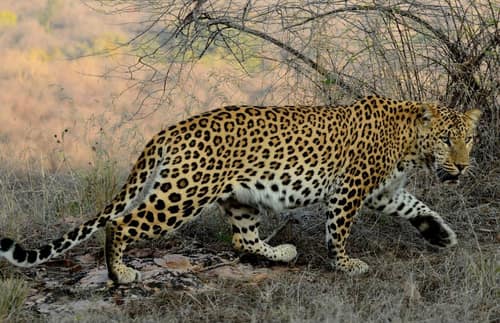
Predator (c) Raja bandi, some rights reserved (CC BY), uploaded by Raja bandi · cc-by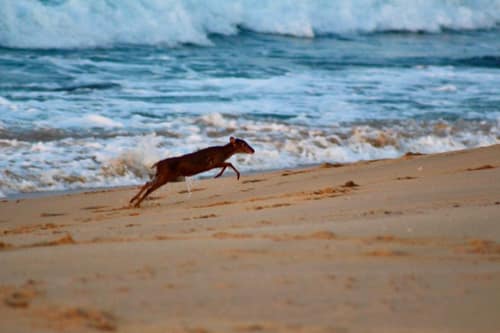
Prey (c) Henry de Lange, some rights reserved (CC BY), uploaded by Henry de Lange · cc-by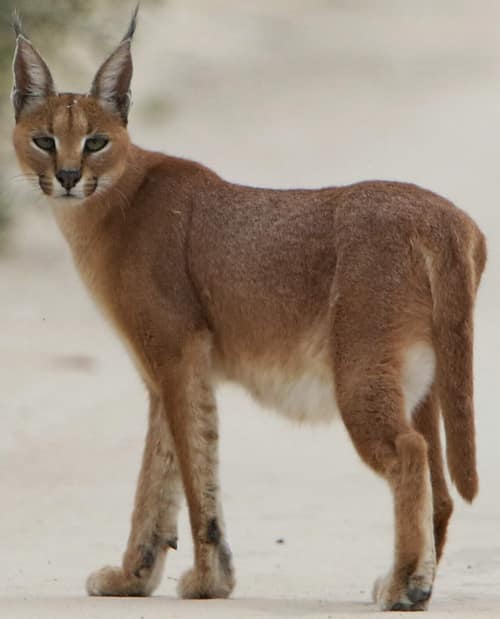
Close Relative Derek Keats / CC BY 2.0 · cc-by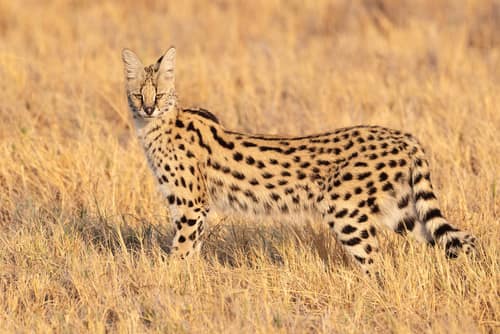
Close Relative (c) Morten Ross, some rights reserved (CC BY), uploaded by Morten Ross · cc-by
Help improve the field guideSomething wrong?
Checking your Fauna account…Report a name, category, or profile issue for review.