
Mammal
Bengal Fox
Vulpes bengalensisAlso known as Indian Fox
Bengal foxes are nimble, sandy-coated canids famous for their striking black-tipped tails and elaborate underground den networks. They form monogamous pair bonds, often reusing and expanding complex burrows with multiple entrances to raise litters during the dry season. As opportunistic foragers, they play a crucial ecological role by keeping rodent and agricultural insect populations in check across the plains of South Asia.
CrepuscularBurrowerCanid


—observations
—countries
—peak records
Least ConcernConservation statusIUCN Red List categoriesLCNTVUENCREWEXLeast ConcernRed List categories, explained →
Diet & preyRodents, Insects, Lizards
Predators
- Golden Jackal
- Indian Wolf
- Feral Dog
ThreatsHabitat loss, road mortality, free-ranging dogs, disease outbreaks
HabitatsArid plains, open scrublands, grasslands, agricultural edges
Life span6–10 years in the wild
Classification
- FamilyCanidae
- SpeciesVulpes bengalensis
Native
Interaction riskModerate
- Low
- Moderate
- High
- Very high
- Why interaction risk is moderate
- May carry rabies or deliver a defensive bite if cornered; observe from a safe distance.
- Why it is dangerous
- Can transmit zoonotic pathogens such as rabies and may bite defensively if trapped or cornered.
- How to recognize a risky encounter
- Look for a small, greyish-tan fox with large ears and a bushy tail ending in a distinct black tip.
- What to do
- Never approach, feed, or corner wild foxes, and keep domestic dogs on a leash in fox habitat.
Responsible observation
- Observing Dens: Keep a respectful distance of at least 50 meters from active burrows to avoid disturbing pups.
- Peak Hours: Look for active individuals during dawn and dusk along open field edges.
- Road Hazards: Drive carefully through semi-arid scrublands where foxes frequently cross roads.
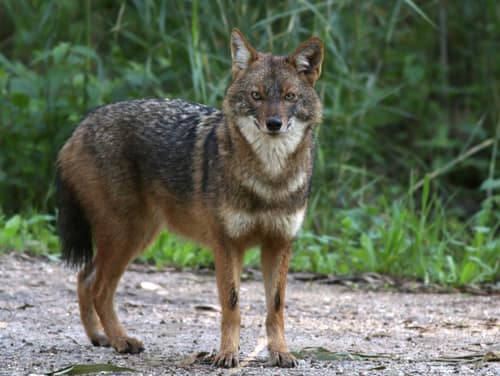
Competitor (c) Jan Ebr & Ivana Ebrová, some rights reserved (CC BY), uploaded by Jan Ebr & Ivana Ebrová · cc-by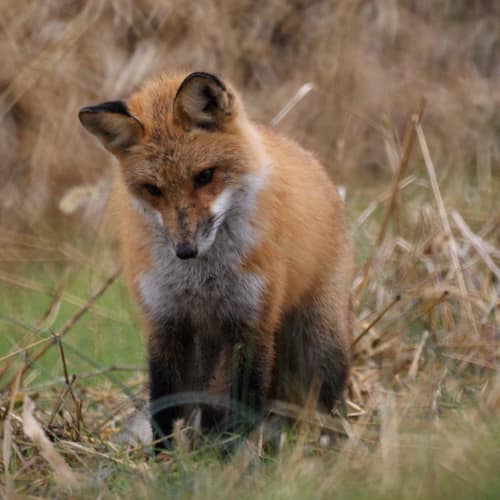
Close Relative "Red Fox" by Mike's Birds is licensed under CC BY-SA 2.0. To view a copy of this license, visit https://creativecommons.org/licenses/by-sa/2.0/. · cc-by-sa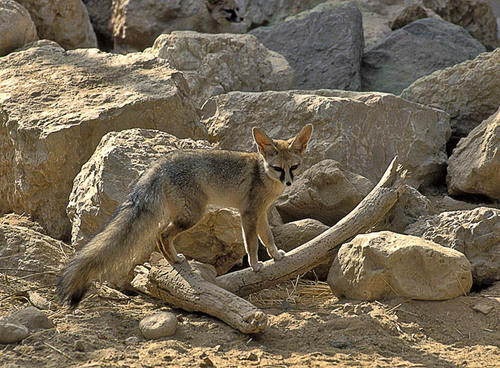
Close Relative (c) Eyal Bartov, some rights reserved (CC BY-SA) · cc-by-sa
Help improve the field guideSomething wrong?
Checking your Fauna account…Report a name, category, or profile issue for review.