
Mammal
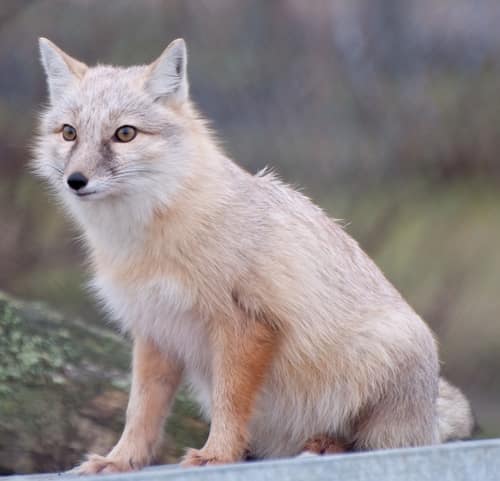
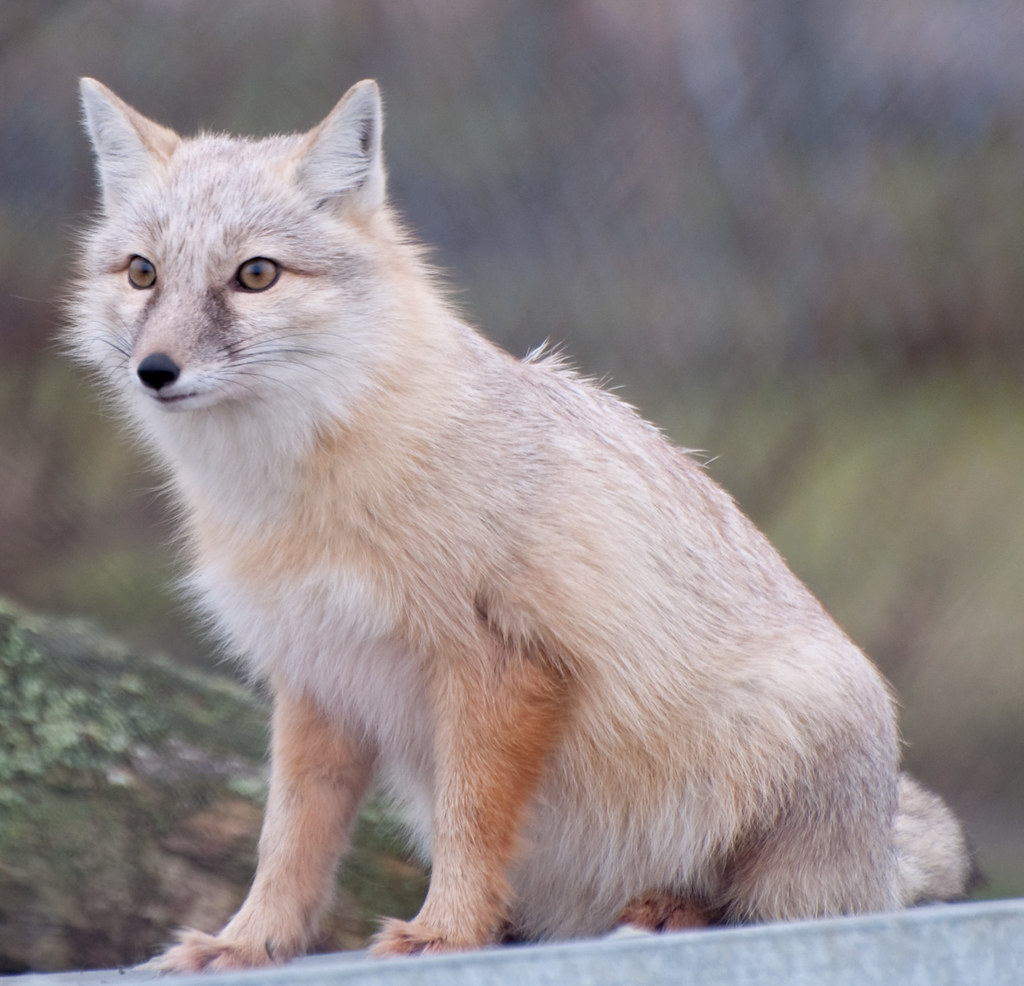
Corsac Fox
Vulpes corsacAlso known as Steppe Fox
Corsac foxes inhabit the vast, wind-swept steppes and semi-deserts of Central Asia, relying on keen hearing and swift agility to hunt small rodents. Unusually social for canids, they often live together in small communal groups and share burrow networks originally excavated by marmots. During extreme winter weather, populations can crash dramatically, yet these resilient hunters bounce back rapidly when conditions improve.
MammalSteppe HabitatSocial Canid
—observations
—countries
—peak records
Least ConcernConservation statusIUCN Red List categoriesLCNTVUENCREWEXLeast ConcernRed List categories, explained →
Diet & preySteppe Lemming, Daurian Pika, Insects
Predators
- Gray Wolf
- Eurasian Eagle-Owl
- Golden Eagle
ThreatsPoaching for fur, severe winters, habitat loss
HabitatsGrasslands, steppes, semi-deserts, deserts
Life span9–12 years in the wild
Classification
- FamilyCanidae
- SpeciesVulpes corsac
Native
Interaction riskModerate
- Low
- Moderate
- High
- Very high
- Why interaction risk is moderate
- Capable of delivering a sharp bite if cornered; observe from a safe distance.
Responsible observation
- Binocular Spotting: Scan open grasslands early in the morning or late evening when these foxes actively forage.
- Respect Burrows: Avoid approaching active den sites or marmot burrows where communal family groups nest.
- Winter Caution: Keep distance during cold months when extreme weather makes wildlife particularly vulnerable to stress.
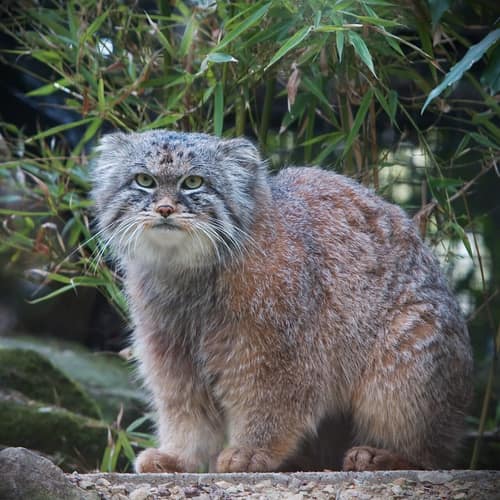
Competitor Sander van der Wel / CC BY-SA 2.0 · cc-by-sa
Predator Giles Laurent / CC BY-SA 4.0 · cc-by-sa Image unavailable
Prey 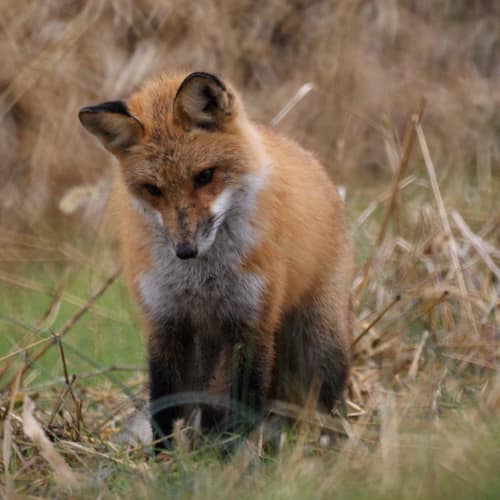
Close Relative "Red Fox" by Mike's Birds is licensed under CC BY-SA 2.0. To view a copy of this license, visit https://creativecommons.org/licenses/by-sa/2.0/. · cc-by-sa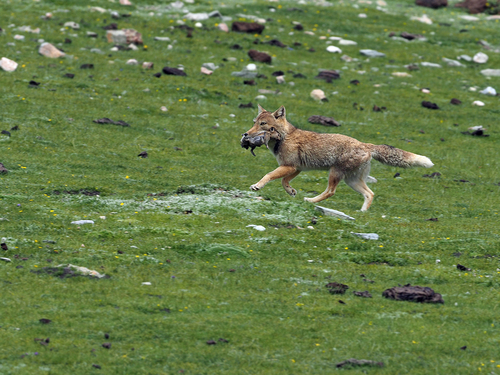
Close Relative no rights reserved · cc0
Help improve the field guideSomething wrong?
Checking your Fauna account…Report a name, category, or profile issue for review.