
Mammal
Cape Fox
Vulpes chamaAlso known as Asse, Cama Fox, Silver-backed Fox
Cape foxes are solitary, strictly nocturnal canids that spend the scorching daylight hours resting in underground burrows excavated by aardvarks or springhares. Mated pairs defend overlapping home ranges and communicate through high-pitched yelps, whines, and soft chirps, though they typically forage alone under the cover of darkness. As the only true fox indigenous to sub-Saharan Africa, this diminutive predator plays a vital ecological role by curbing rodent and insect populations across arid landscapes.
NocturnalBurrowingCarnivore
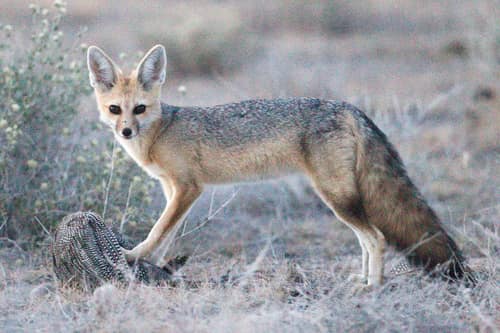

—observations
—countries
—peak records
Least ConcernConservation statusIUCN Red List categoriesLCNTVUENCREWEXLeast ConcernRed List categories, explained →
Diet & preyRodents, Beetles and termites, Lizards
Predators
- Black-backed jackal
- Caracal
- Martial eagle
ThreatsIndiscriminate farming pest control, lethal predator snares, poison baits, and road mortality
HabitatsArid and semi-arid shrublands, open grasslands, Karoo veld, and desert margins
Life span6–10 years
Classification
- FamilyCanidae
- SpeciesVulpes chama
Native
Interaction riskModerate
- Low
- Moderate
- High
- Very high
- Why interaction risk is moderate
- Can deliver a defensive bite and may transmit rabies; observe quietly from a vehicle or distance.
- Why it is dangerous
- Capable of inflicting painful puncture bites with sharp canine teeth and can carry the rabies virus.
- How to recognize a risky encounter
- Recognizable by its silver mantle, tawny limbs, large pointed ears, and bushy black-tipped tail.
- What to do
- Never corner, feed, or attempt to touch; give wide clearance and keep domestic pets restrained.
Responsible observation
- Night Drives: Use a red-filtered spotlight on evening safari drives to spot their reflective yellow eyeshine.
- Den Etiquette: Keep a respectful distance of at least 50 meters from active burrows to avoid stressing pups.
- Road Vigilance: Slow down on unfenced rural roads across the Karoo at night to prevent vehicle strikes.
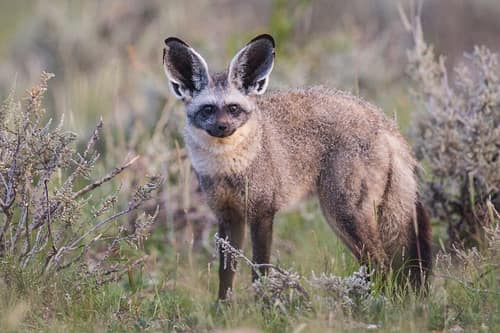
Neighbor Yathin S Krishnappa / CC BY-SA 3.0 · cc-by-sa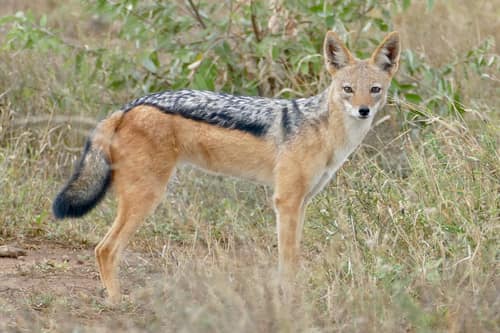
Competitor (c) Bernard DUPONT, some rights reserved (CC BY-SA) · cc-by-sa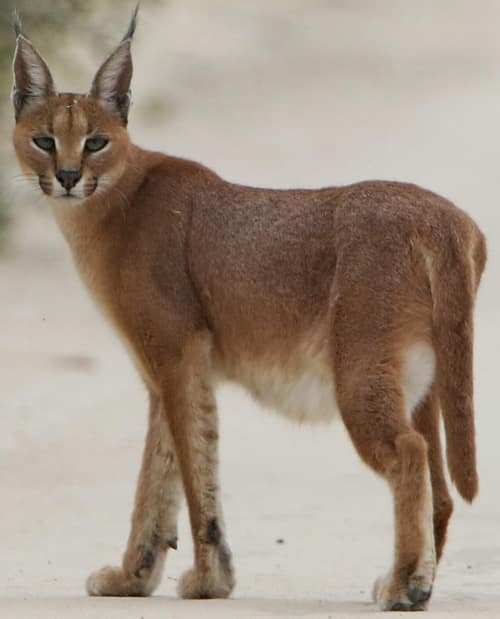
Predator Derek Keats / CC BY 2.0 · cc-by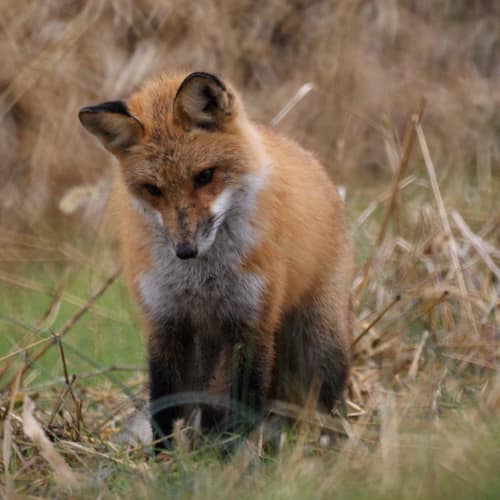
Same Genus "Red Fox" by Mike's Birds is licensed under CC BY-SA 2.0. To view a copy of this license, visit https://creativecommons.org/licenses/by-sa/2.0/. · cc-by-sa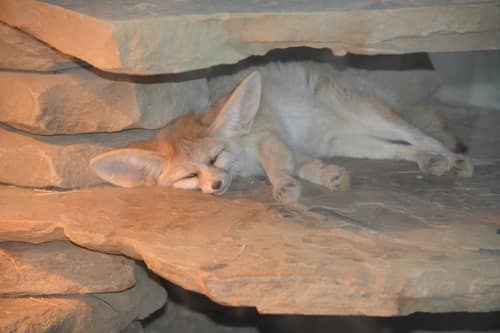
Same Genus (c) Stacey Robert Greenstein, some rights reserved (CC BY-SA), uploaded by Stacey Robert Greenstein · cc-by-sa
Help improve the field guideSomething wrong?
Checking your Fauna account…Report a name, category, or profile issue for review.