
Mammal · GBIF taxon 5219200
Domestic Dog
Canis familiarisDomestic dogs are exceptionally social canids with an unmatched ability to read human body language, facial expressions, and vocal tones. Their deep evolutionary bond with humans has reshaped their digestive physiology to process starches and unlocked complex cooperative behaviors like herding, tracking, and guarding. Worldwide, hundreds of recognized breeds showcase extraordinary variation in morphology, temperament, and working instinct.
DomesticatedSocialIntelligent
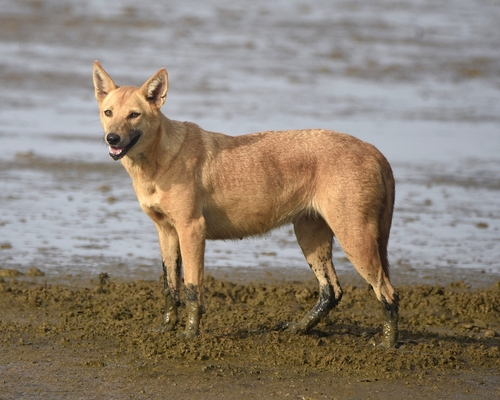
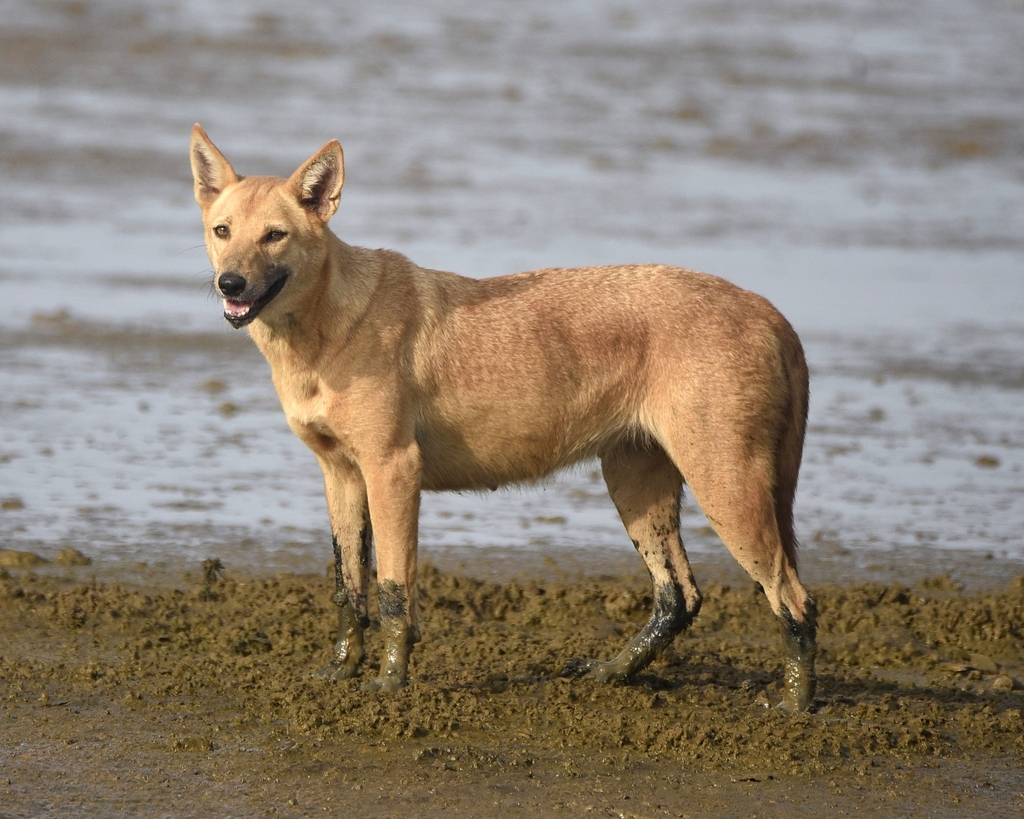 1 / 7
1 / 7—observations
—countries
—peak records
Not EvaluatedConservation statusIUCN Red List categoriesLCNTVUENCREWEXNot Evaluated — not placed on the risk ladderRed List categories, explained →
Diet & prey
- Rodents
- Lizards
- Birds
Predators
- Gray Wolf
- Cougar
- Coyote
ThreatsInfectious diseases, neglect, vehicular accidents, abandonment
HabitatsHuman settlements, urban, suburban, and rural areas worldwide
Life span10–13 years on average (ranges widely from 7–18 years)
Size / weightNot available
Classification
- OrderCarnivora
- FamilyCanidae
- GenusCanis
- SpeciesCanis familiaris
Range data is not available yet.
Interaction riskLow
- Low
- Moderate
- High
- Very high
- Why interaction risk is low
- Safe to observe at a normal distance; ask the handler before approaching unfamiliar dogs.
Responsible observation
- Greeting Etiquette: Ask the handler before approaching and let the dog initiate contact by sniffing your hand.
- Body Language: Look for loose, relaxed postures and avoid reaching directly over an anxious or stiff animal.
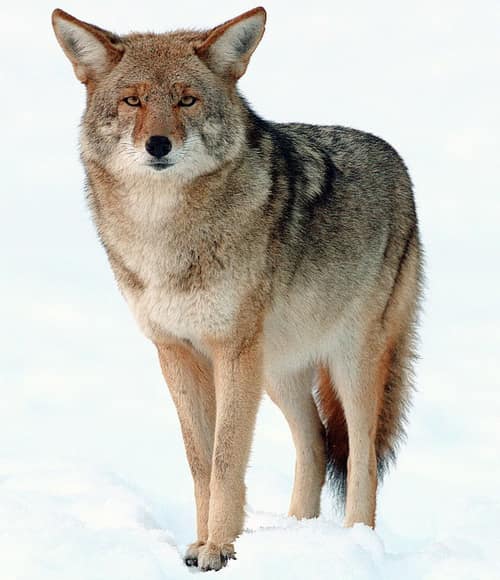
Same Genus Yathin S Krishnappa / CC BY-SA 3.0 · cc-by-sa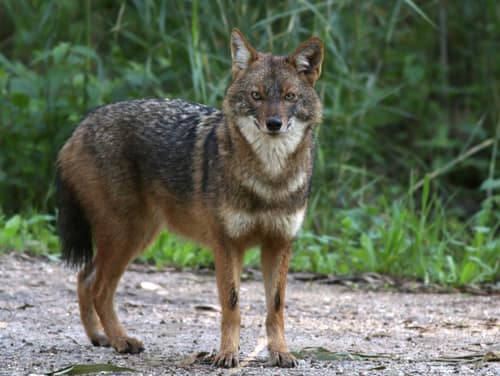
Same Genus (c) Jan Ebr & Ivana Ebrová, some rights reserved (CC BY), uploaded by Jan Ebr & Ivana Ebrová · cc-by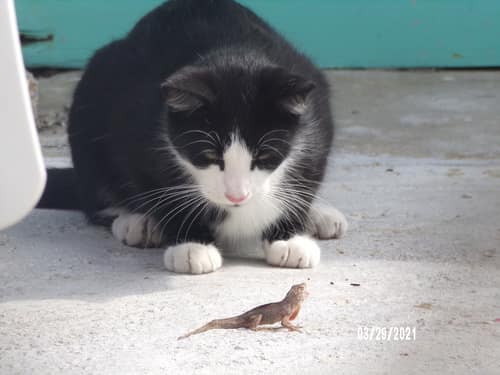
Frequent Companion (c) chloe ⋆˚꩜。, some rights reserved (CC BY-SA) · cc-by-sa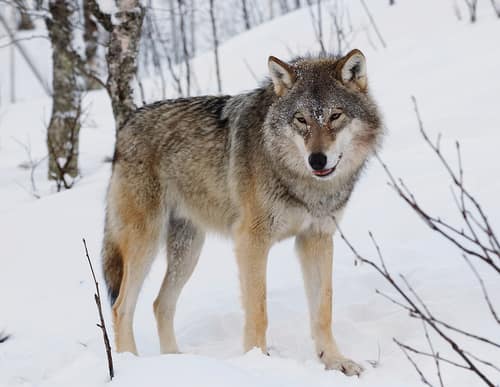
Close Relative User:Mas3cf / CC BY-SA 4.0 · cc-by-sa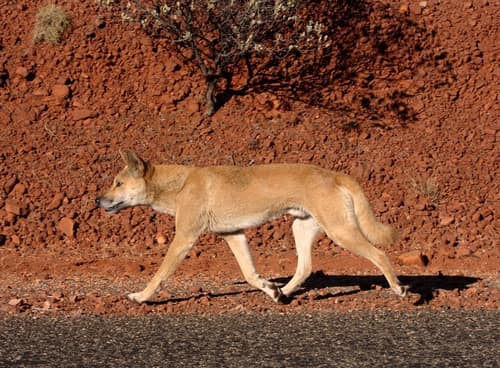
Close Relative Jarrod Amoore from Sydney, Australia / CC BY 2.0 · cc-by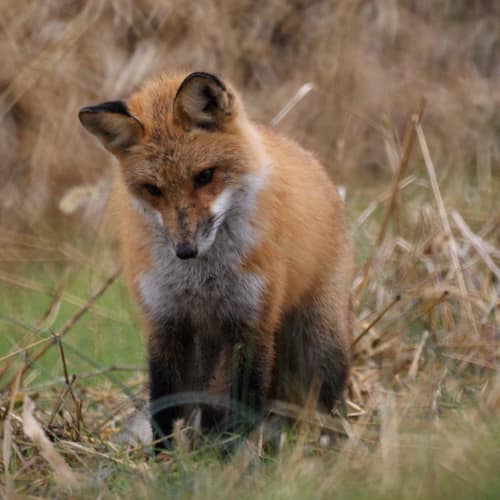
Same Family "Red Fox" by Mike's Birds is licensed under CC BY-SA 2.0. To view a copy of this license, visit https://creativecommons.org/licenses/by-sa/2.0/. · cc-by-sa
Help improve the field guideSomething wrong?
Checking your Fauna account…Report a name, category, or profile issue for review.