
Mammal
Somalian Slender Mongoose
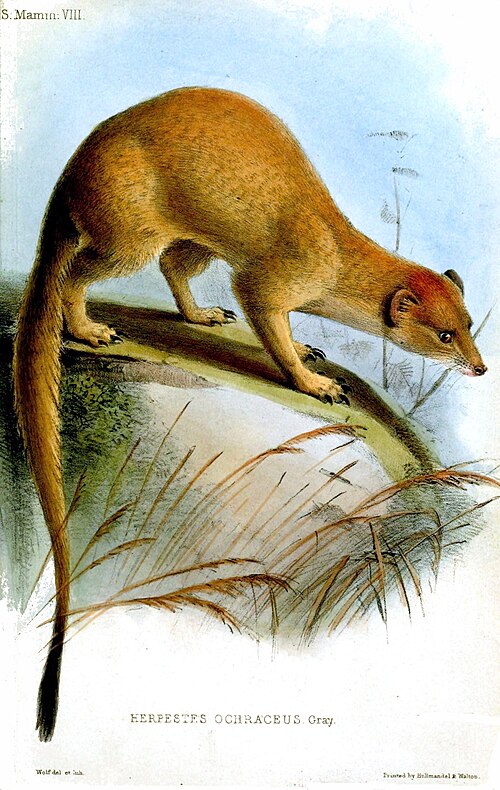
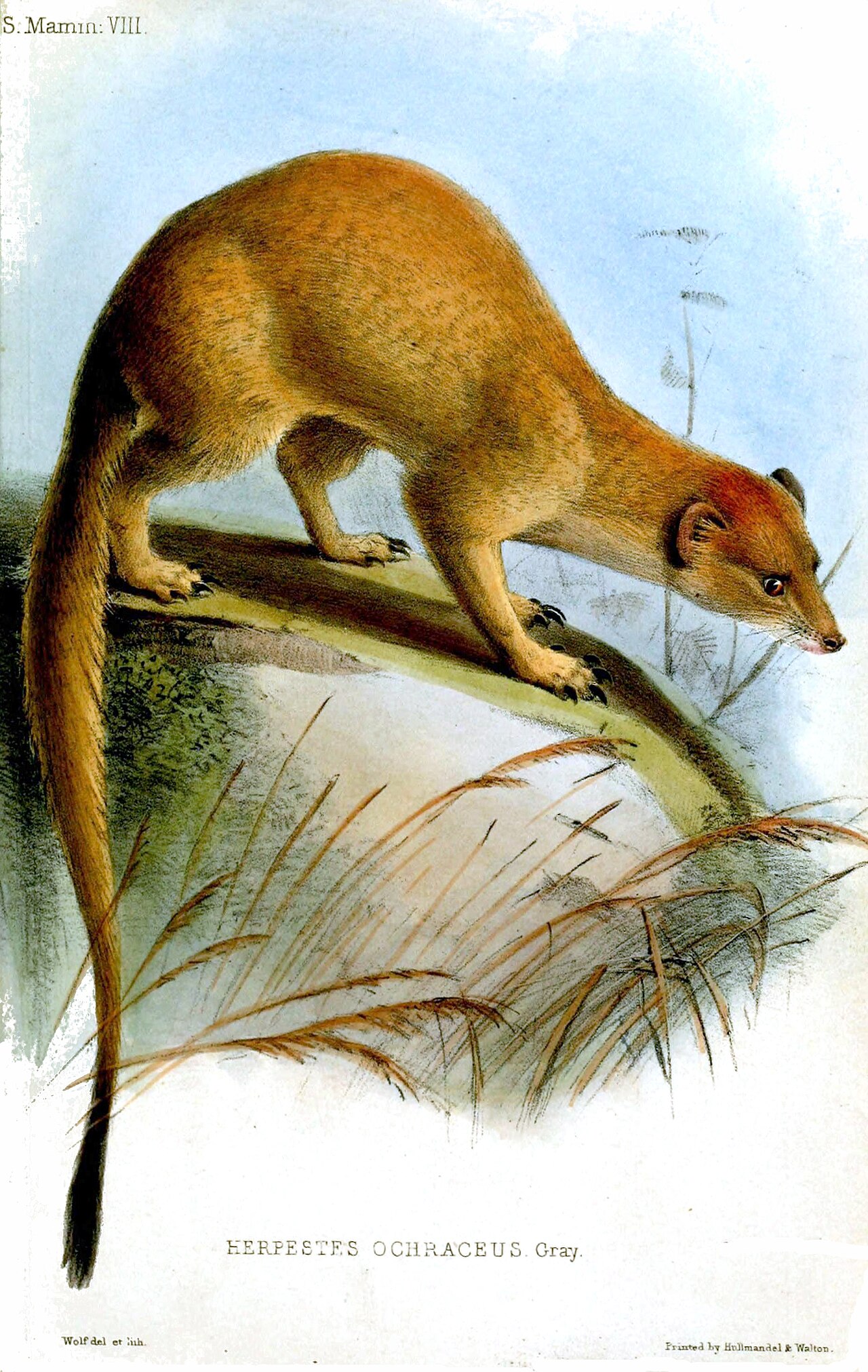
Galerella ochraceaAlso known as Somali Slender Mongoose, Ochre Mongoose
Active during the heat of the day, Somalian slender mongooses dart agilely among thorny scrub and rocky outcrops in search of prey. Solitary hunters, they rely on keen eyesight and acute hearing to detect movement before using explosive bursts of speed to pounce on reptiles and small mammals. When alarmed, they raise their black-tipped tails vertically and sprint toward the nearest underground burrow or dense acacia thicket.
DiurnalCarnivoreArid-Adapted
—observations
—countries
—peak records
Least ConcernConservation statusIUCN Red List categoriesLCNTVUENCREWEXLeast ConcernRed List categories, explained →
Diet & preyLizards, Rodents, Grasshoppers
Predators
- Martial eagle
- Black-backed jackal
- Caracal
ThreatsOvergrazing, brush clearing, and prolonged droughts
HabitatsSemi-arid scrub, dry acacia bushland, and rocky savannas
Life span8–12 years
Classification
- FamilyHerpestidae
- SpeciesGalerella ochracea
Range data is not available yet.
Interaction riskLow
- Low
- Moderate
- High
- Very high
- Why interaction risk is low
- Capable of delivering a sharp defensive bite if cornered; observe from a respectful distance.
- Why it is dangerous
- Possesses sharp teeth and claws capable of puncturing skin and introducing bacterial infection if grabbed or cornered.
- How to recognize a risky encounter
- Look for a small, warm ochre coat and a slender body with a long tail tipped in black.
- What to do
- Never attempt to corner, handle, or feed wild mongooses; give them clear escape paths.
Responsible observation
- Patience at Cover: Watch open spaces between acacia bushes during mid-morning when activity peaks.
- Tail Clues: A raised tail tip signals alertness and an impending dash toward safety.
- Keep Distance: Maintain a quiet perimeter to avoid causing this shy carnivore to bolt.
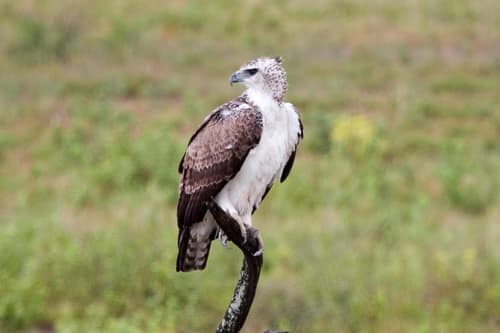
Predator (c) Dan Harville, some rights reserved (CC BY-SA), uploaded by Dan Harville · cc-by-sa Image unavailable
Close Relative Close Relative 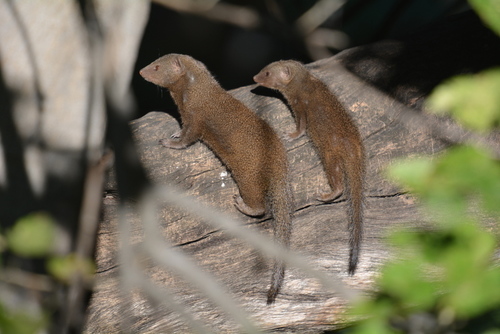
Same Family no rights reserved, uploaded by Simon Tonge · cc0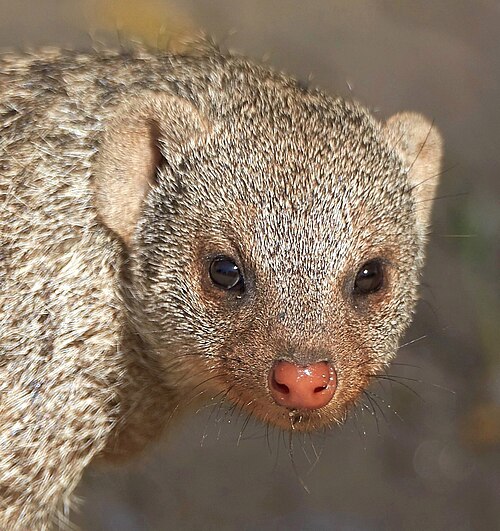
Same Family Axel Tschentscher / CC BY-SA 4.0 · cc-by-sa
Help improve the field guideSomething wrong?
Checking your Fauna account…Report a name, category, or profile issue for review.