
Mammal · GBIF taxon 5218819
Walrus
Odobenus rosmarusAlso known as Pacific Walrus, Atlantic Walrus, Morse
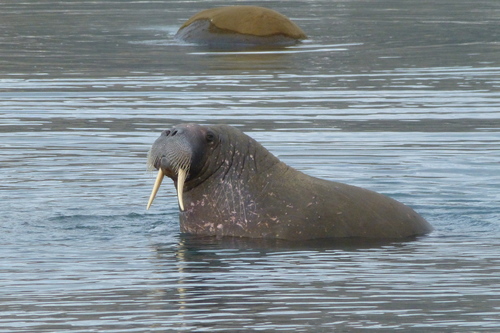
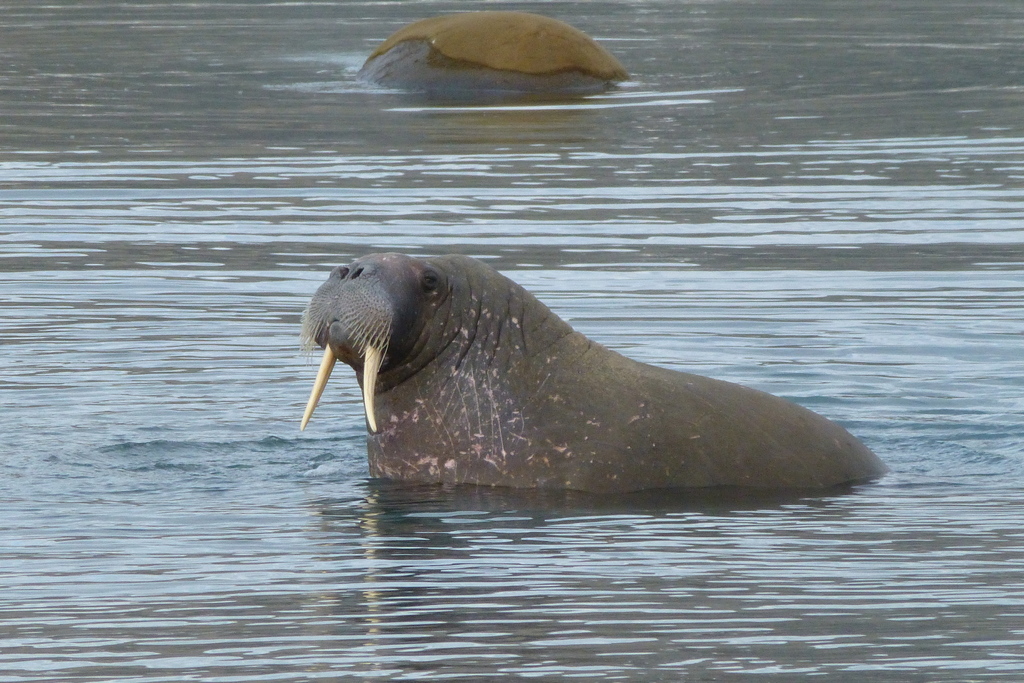
Walruses are massive Arctic marine mammals easily recognized by their long ivory tusks, sensitive facial whiskers, and thick wrinkled hide. They spend much of their lives on pack ice and shallow coastal haul-outs, using their stiff vibrissae to feel along the dark seafloor for benthic invertebrates. Highly social creatures, thousands of individuals often crowd together on land or ice, communicating through loud bellows, grunts, and bell-like whistling sounds.
Marine MammalArcticTusks
 1 / 7
1 / 7—observations
—countries
—peak records
VulnerableConservation statusIUCN Red List categoriesLCNTVUENCREWEXVulnerableRed List categories, explained →
Diet & prey
- Clams
- Mussels
- Benthic Worms
Predators
- Polar Bear
- Killer Whale
ThreatsClimate change and loss of sea ice, coastal development, industrial noise, shipping traffic
HabitatsArctic pack ice, shallow continental shelf waters, and coastal haul-out beaches
Life span20-30 years
Size / weightNot available
Classification
- OrderCarnivora
- FamilyOdobenidae
- GenusOdobenus
- SpeciesOdobenus rosmarus
Range data is not available yet.
Interaction riskHigh
- Low
- Moderate
- High
- Very high
- Why interaction risk is high
- Massive size and sharp tusks present severe risk; maintain at least 100 meters distance on land and sea.
- Why it is dangerous
- Weighing up to two tons, walruses can crush humans and deliver fatal thrusts with their long ivory tusks.
- How to recognize a risky encounter
- Enormous size with reddish-brown wrinkled skin, thick facial whiskers, and long downward ivory tusks.
- What to do
- Stay back at least 100 meters and back away slowly if a haul-out shows signs of agitation.
- What to notice
- Densely packed herds resting on coastal gravel beaches or drifting sea ice floes.
- Support conservation
- Use binoculars or telephoto lenses to observe without causing costly energetic stress or stampedes.
Responsible observation
- Observe from Afar: Maintain at least 100 meters distance to avoid causing panic stampedes on haul-outs.
- Minimize Noise: Avoid engine throttling or loud sounds near resting groups along coastal shores.
- Watch Water Paths: Give swimming individuals ample room to surface and navigate freely.
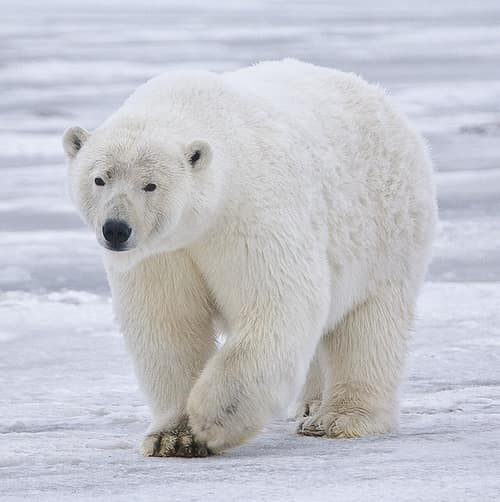
Predator Alan Wilson / CC BY-SA 3.0 · cc-by-sa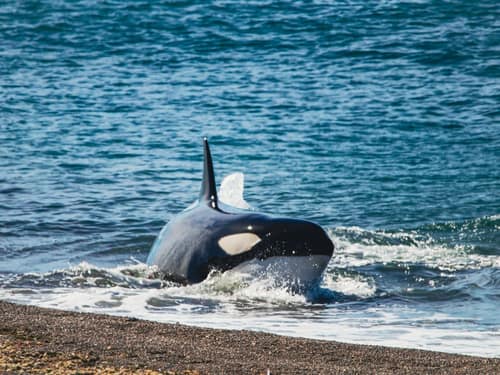
Predator (c) Martín Acosta Albarracín, some rights reserved (CC BY), uploaded by Martín Acosta Albarracín · cc-by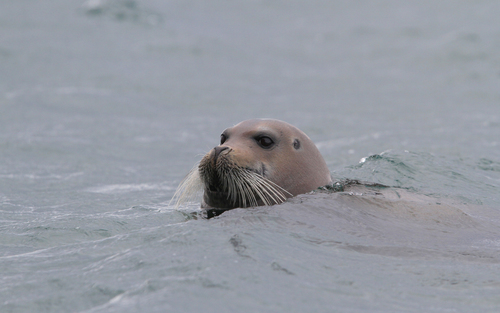
Frequent Companion (c) Christoph Moning, some rights reserved (CC BY), uploaded by Christoph Moning · cc-by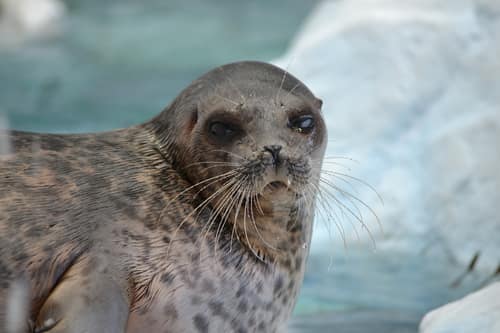
Habitat Neighbor (c) Kingfisher, some rights reserved (CC BY-SA) · cc-by-sa
Help improve the field guideSomething wrong?
Checking your Fauna account…Report a name, category, or profile issue for review.