
Mammal · GBIF taxon 5218680
Spectacled Flying Fox
Pteropus conspicillatusAlso known as Spectacled Fruit Bat
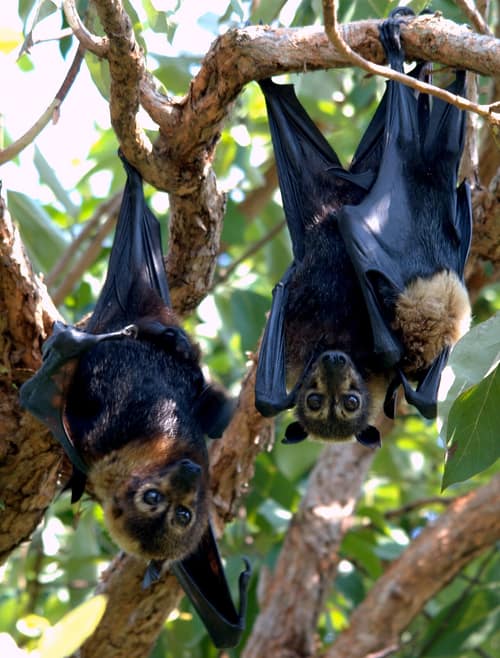
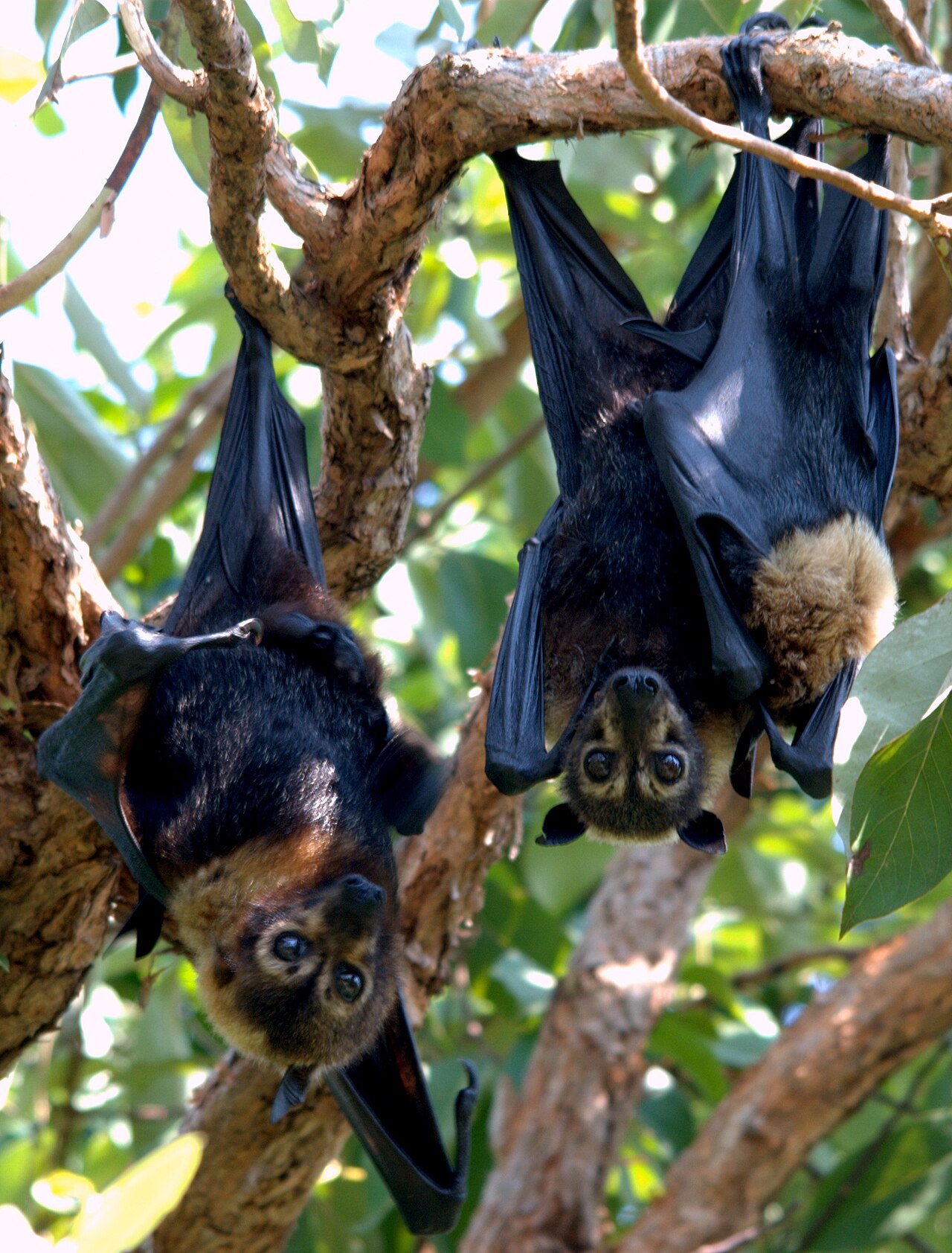
Spectacled flying foxes are large, highly social megabats easily recognized by the prominent rings of pale yellow fur surrounding their eyes. They gather in massive, noisy canopy roosts called camps, where they communicate using a complex vocabulary of squeaks and screeches. These nocturnal mammals play a vital ecological role as long-distance seed dispersers and pollinators for Australia's tropical rainforests.
NocturnalSocialPollinator
—observations
—countries
—peak records
EndangeredConservation statusIUCN Red List categoriesLCNTVUENCREWEXEndangeredRed List categories, explained →
Diet & prey
- Ficus fruits
- Eucalyptus nectar
- Melaleuca blossoms
Predators
- Amethystine python
- White-bellied sea eagle
- Rufous owl
ThreatsHabitat loss, extreme heatwaves, paralysis ticks, and conflict with fruit growers
HabitatsTropical rainforests, mangroves, swamp forests, and urban parklands
Life span12 to 15 years in the wild
Size / weightNot available
Classification
- FamilyPteropodidae
- SpeciesPteropus conspicillatus
Native
Interaction riskModerate
- Low
- Moderate
- High
- Very high
- Why interaction risk is moderate
- Can carry Australian Bat Lyssavirus; do not handle and seek immediate medical attention if bitten or scratched.
- Why it is dangerous
- Can carry Australian Bat Lyssavirus, a rabies-like virus transmitted through saliva via bites or scratches.
- How to recognize a risky encounter
- Look for pale yellow fur rings around the eyes and a dark body with a straw-colored mantle on the neck.
- What to do
- Never touch a live or dead bat; contact trained wildlife vaccinators if an animal needs rescue.
- What to notice
- Identifiable by the distinctive spectacle-like eye rings and their noisy daytime roosting camps in rainforest canopies.
- Support conservation
- Avoid entering roosting camps during the breeding season to prevent mother-pup separation.
Responsible observation
- Observe from a distance: Watch their spectacular fly-outs at dusk from a respectful distance to avoid disturbing the camp.
- Report injured bats: Contact local wildlife rescue if you find a bat on the ground or caught on a fence.
- Keep pets away: Ensure dogs and cats are kept indoors at night when bats are feeding in backyard trees.
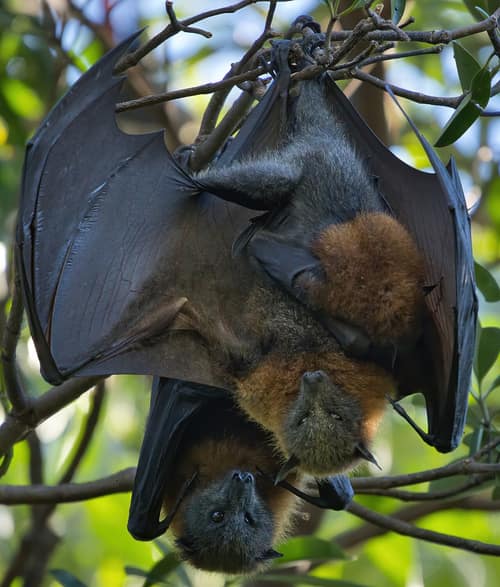
Close Relative Andrew Mercer (www.baldwhiteguy.co.nz) / CC BY-SA 4.0 · cc-by-sa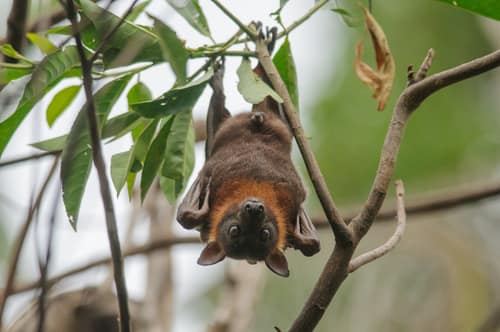
Close Relative (c) Rolf Lawrenz, some rights reserved (CC BY), uploaded by Rolf Lawrenz · cc-by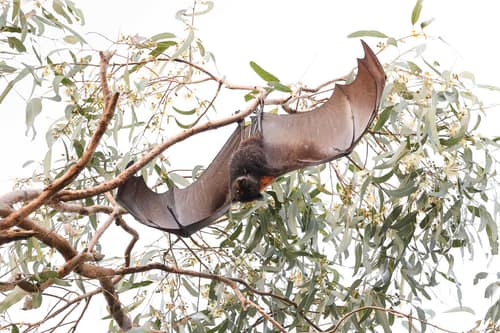
Close Relative (c) Ged Tranter, some rights reserved (CC BY), uploaded by Ged Tranter · cc-by
Help improve the field guideSomething wrong?
Checking your Fauna account…Report a name, category, or profile issue for review.