
Amphibian
African Clawed Frog
Xenopus laevisAlso known as Platanna, African Clawed Toad, African Claw-toed Frog, Smooth Clawed Frog
African clawed frogs are entirely aquatic amphibians famous for their flattened bodies, lidless upward-facing eyes, and powerful, fully webbed hind feet tipped with sharp cornified black claws. Lacking a tongue and vocal cords, males produce rapid underwater clicking sounds by contracting specialized laryngeal muscles to court mates during breeding periods. They use their sensitive lateral line systems to detect vibrations from struggling prey in murky water, sweeping food directly into their mouths with their dexterous front fingers.
AquaticNocturnalCarnivorous
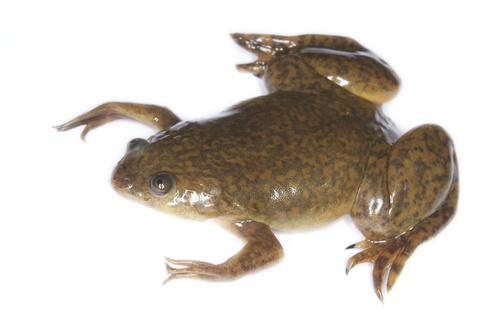
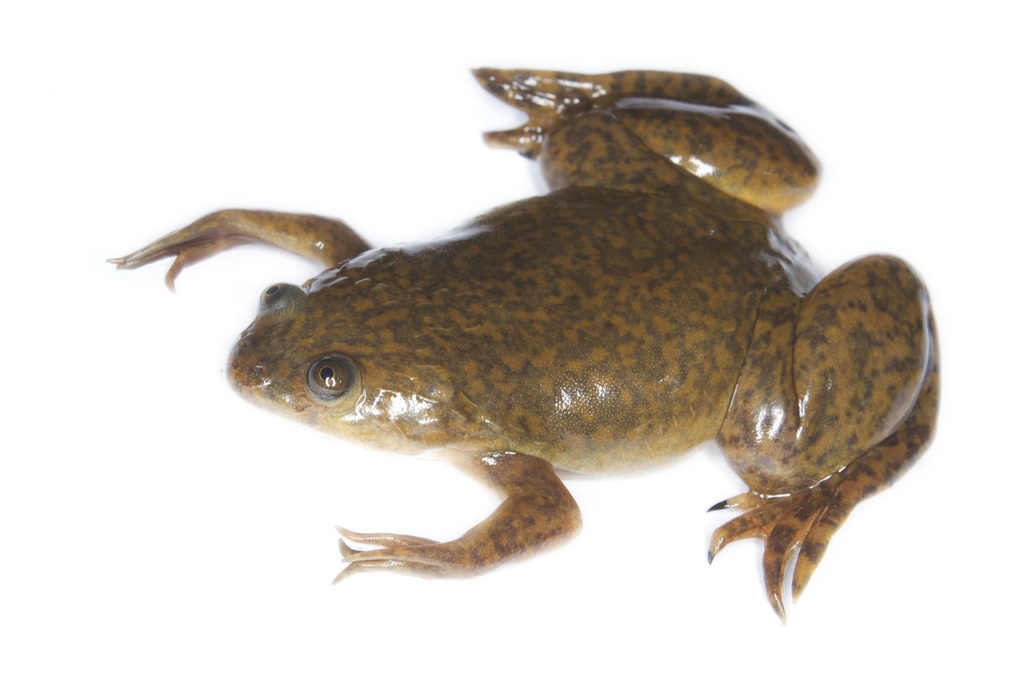
—observations
—countries
—peak records
Least ConcernConservation statusIUCN Red List categoriesLCNTVUENCREWEXLeast ConcernRed List categories, explained →
Diet & preyMosquito larvae, Earthworms, Small fish
Predators
- Herons
- Water snakes
- Larger predatory fish
ThreatsPollution, habitat destruction, and localized eradication programs where introduced as an invasive species
HabitatsWarm, stagnant or slow-moving freshwater ponds, lakes, reservoirs, and ditches
Life span10–20 years
Classification
- OrderAnura
- FamilyPipidae
- GenusXenopus
- SpeciesXenopus laevis
Range data is not available yet.
Interaction riskLow
- Low
- Moderate
- High
- Very high
- Why interaction risk is low
- Safe to observe at a normal distance.
Responsible observation
- Observation: Look along the muddy margins of warm ponds or ditch edges where frogs hover near the surface to breathe.
- Biosecurity: Never release pet frogs into natural waterways because they displace native amphibians and carry chytrid fungus.
- Handling: Minimize handling because their skin is extremely slippery and secretes protective mucus that dries out quickly.
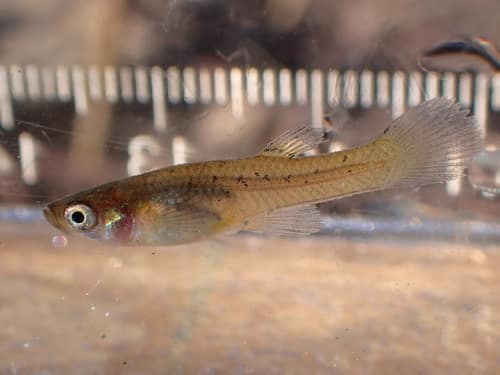
Prey (c) Zakqary Roy, some rights reserved (CC BY), uploaded by Zakqary Roy · cc-by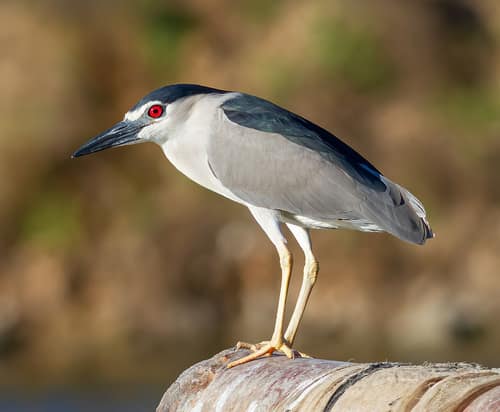
Predator ramidos / CC BY 4.0 · cc-by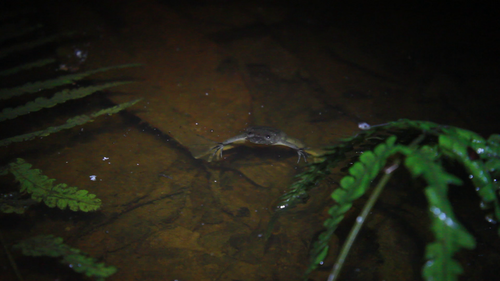
Close Relative (c) Chris Quirin, some rights reserved (CC BY), uploaded by Chris Quirin · cc-by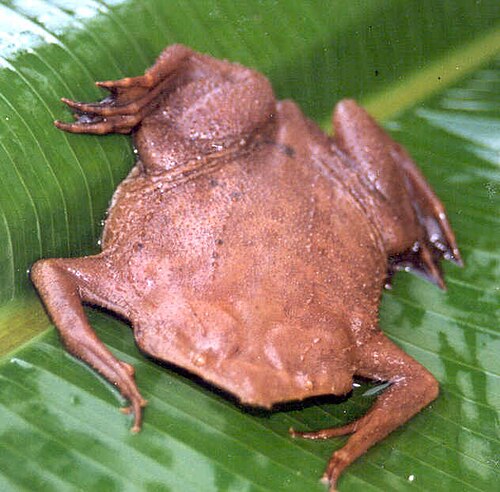
Close Relative Hugo Claessen / CC BY-SA 2.5 · cc-by-sa
Help improve the field guideSomething wrong?
Checking your Fauna account…Report a name, category, or profile issue for review.