
Bird
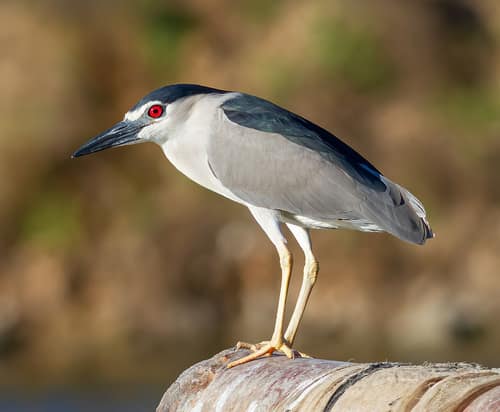
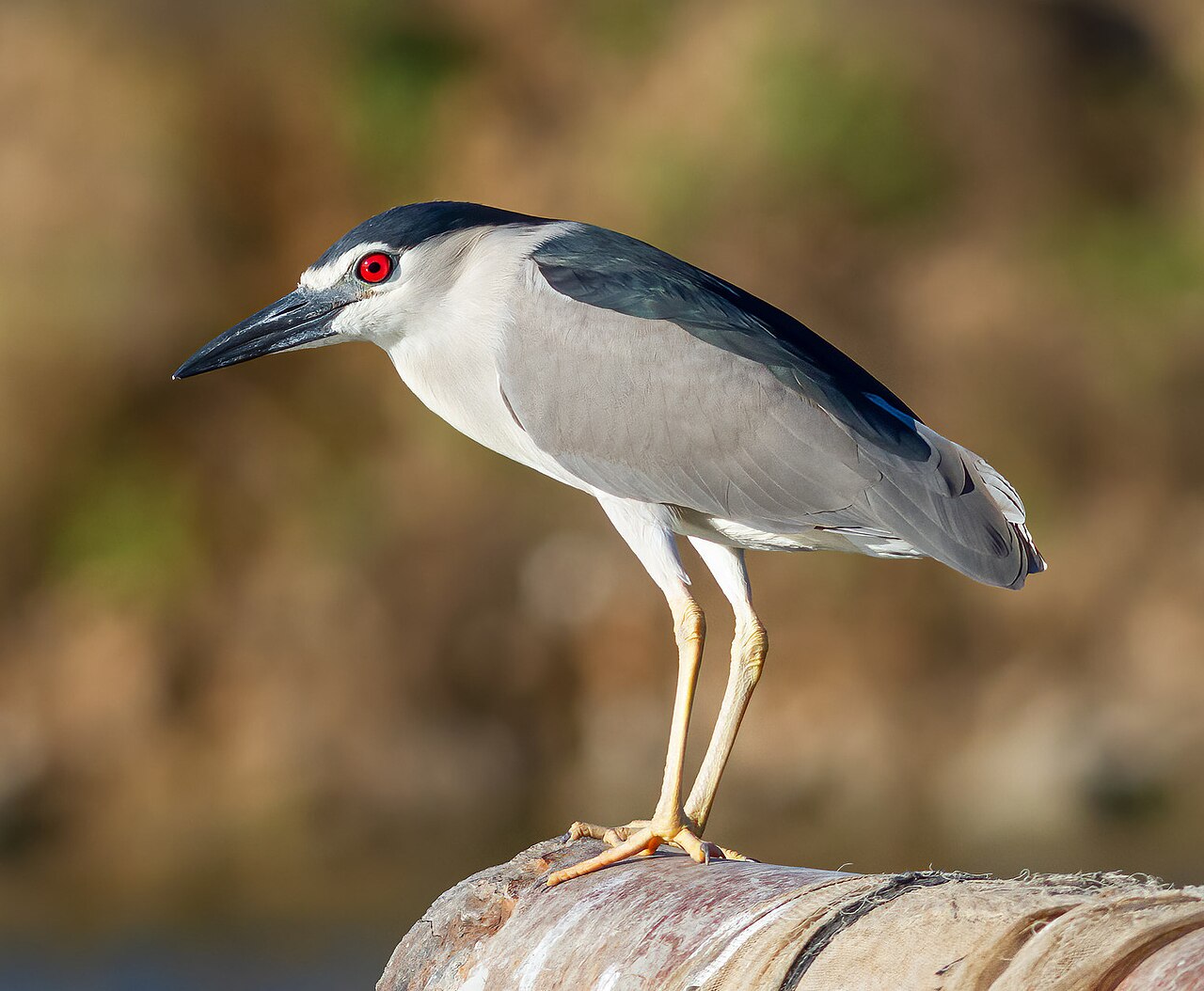
Black-crowned Night Heron
Nycticorax nycticoraxAlso known as Black-capped Night Heron, Night Heron
Black-crowned night herons are stocky, short-legged waders known for lurking along murky shorelines under the cover of darkness. By day they roost in communal groups hidden among dense foliage, emerging at dusk to hunt fish and amphibians with a quick, powerful bill strike. Their distinctive barking call often announces their night flights long before their silhouettes appear overhead.
NocturnalWading BirdCosmopolitan
—observations
—countries
—peak records
Least ConcernConservation statusIUCN Red List categoriesLCNTVUENCREWEXLeast ConcernRed List categories, explained →
Diet & preySmall Fish, Crayfish, Frogs
Predators
- Raccoons
- Great Horned Owls
- Snakes
ThreatsWetland habitat loss, water pollution, human disturbance at nesting colonies
HabitatsWetlands, marshes, swamps, riverbanks, coastal lagoons
Life span15–20 years in the wild
Classification
- OrderPelecaniformes
- FamilyArdeidae
- GenusNycticorax
- SpeciesNycticorax nycticorax
Range data is not available yet.
Interaction riskLow
- Low
- Moderate
- High
- Very high
- Why interaction risk is low
- Safe to observe at a normal distance.
Responsible observation
- Observation: Look along quiet, tree-lined water edges at twilight or dawn when birds emerge to hunt.
- Nesting Etiquette: Keep back from colonial heronries to avoid scaring brooding adults off nests.
- Listening: Listen for a distinctive, harsh quok call sounding like a raven at night.
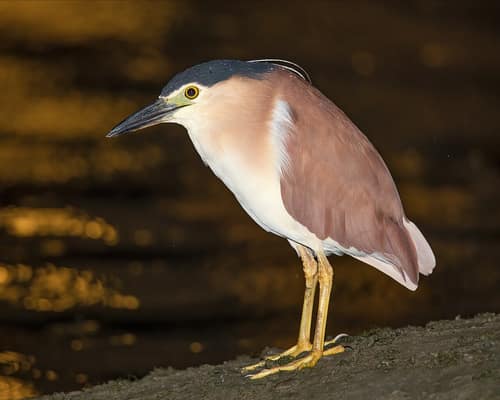
Close Relative JJ Harrison (https://www.jjharrison.com.au/) / CC BY-SA 4.0 · cc-by-sa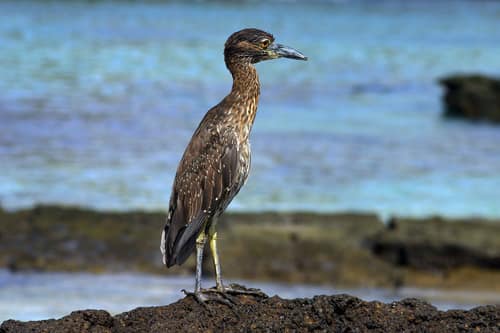
Close Relative (c) Charles J. Sharp , some rights reserved (CC BY-SA) · cc-by-sa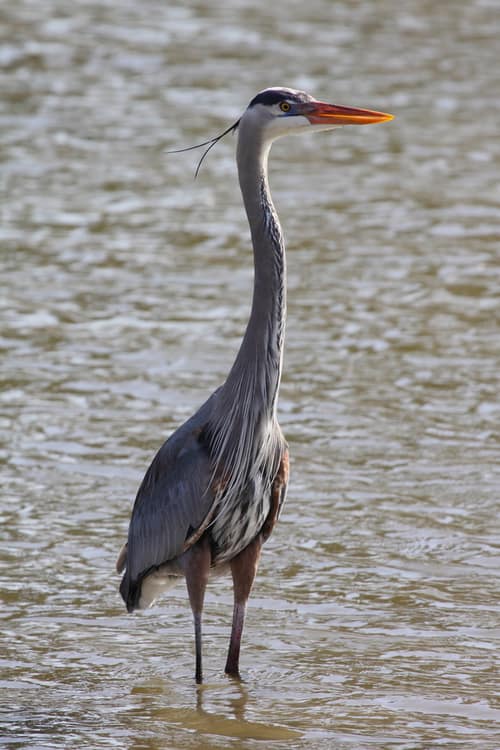
Family Member (c) Basar, some rights reserved (CC BY-SA) · cc-by-sa
Keep collecting in Fauna
Found in Collections
Ecosystem chain
Wetland Territory
Black-crowned Night Heron is found in this collection. Identify it in Fauna to fill this slot and continue your progress.
—/12
Help improve the field guideSomething wrong?
Checking your Fauna account…Report a name, category, or profile issue for review.