
Fish
Spiny Dogfish
Squalus acanthiasAlso known as Spurdog, Mud Shark, Piked Dogfish
Spiny dogfish travel coastal temperate waters worldwide in dense single-sex schools, migrating seasonally in search of schooling prey. Females experience one of the longest gestation periods of any vertebrate, lasting up to two full years before giving birth to live pups. Distinct sharp spines located directly in front of each dorsal fin offer protection against larger marine predators.
SchoolingVenomous SpinesMigratory
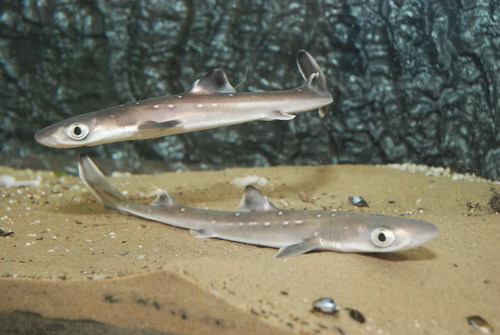
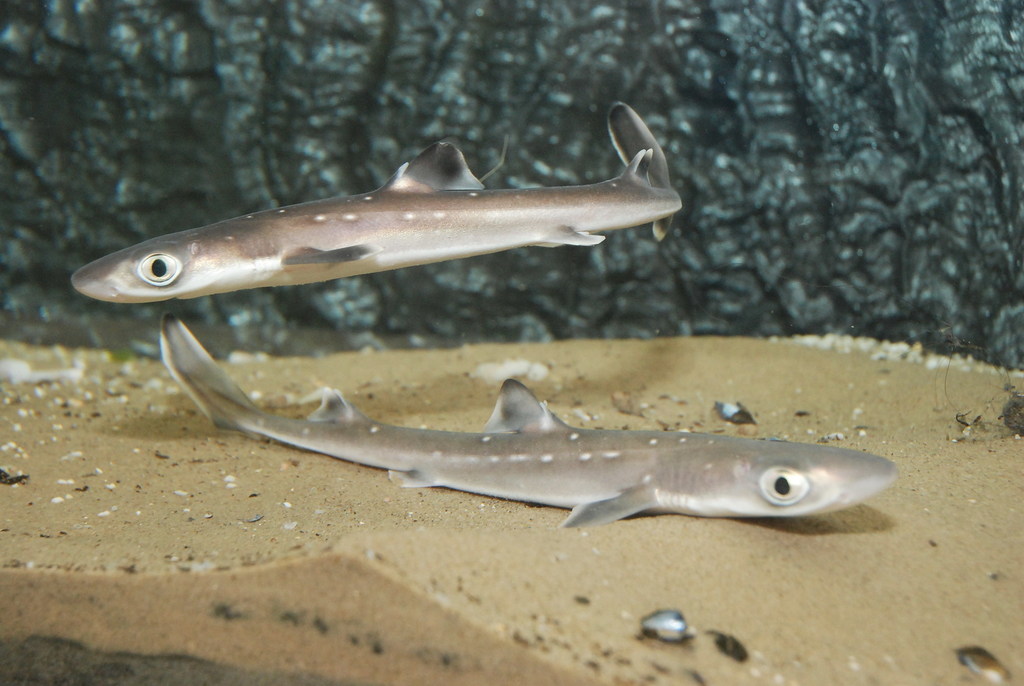
—observations
—countries
—peak records
VulnerableConservation statusIUCN Red List categoriesLCNTVUENCREWEXVulnerableRed List categories, explained →
Diet & preyAtlantic Herring, Squid, Crabs
Predators
- Great White Shark
- Orca
- Grey Seal
ThreatsCommercial overfishing, bycatch, targeted squalene trade
HabitatsBenthic and pelagic zones of temperate shelf waters
Life span35–75 years
Classification
- FamilySqualidae
- SpeciesSqualus acanthias
Range data is not available yet.
Interaction riskVery high
- Low
- Moderate
- High
- Very high
- Why interaction risk is very high
- Sharp dorsal spines secrete a mild toxin; avoid direct contact if landed or handled.
- Why it is dangerous
- Dorsal fin spines possess mild venom glands that inflict painful wounds and cause swelling upon skin puncture.
- How to recognize a risky encounter
- Look for two dorsal fins, each fronted by a prominent sharp spine, alongside a sleek grey body with scattered white spots.
- What to do
- Keep a safe distance when swimming, and use padded grips or heavy gloves if unhooking an accidental catch.
- What to notice
- Recognized by its slender grey body, white belly spots, lack of an anal fin, and twin dorsal spines.
- Support conservation
- Release accidental catches quickly using proper dehooking tools to minimize post-release stress.
Responsible observation
- Boating Etiquette: Maintain safe distance around shallow reefs or coastal kelp forests where dogfish congregate.
- Hook Release: Use long-nosed pliers to remove hooks quickly, avoiding the defensive arching of their sharp spines.
- Responsible Observation: View these sharks while diving without attempting to touch or corner them.
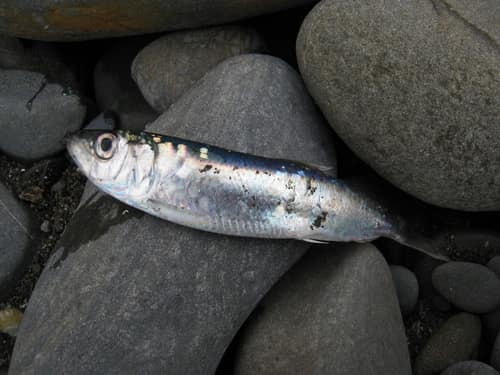
Prey (c) Simon Rolph, some rights reserved (CC BY), uploaded by Simon Rolph · cc-by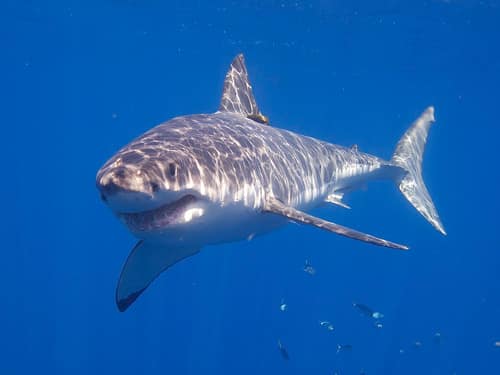
Predator "Great White Shark" by Elias Levy is licensed under CC BY 2.0. To view a copy of this license, visit https://creativecommons.org/licenses/by/2.0/. · cc-by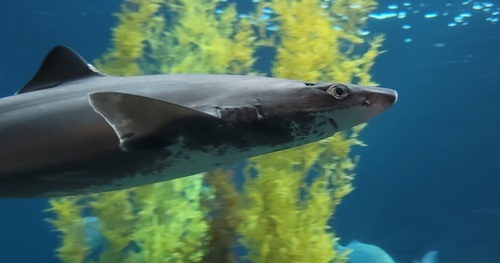
Close Relative (c) Macrophyseter, some rights reserved (CC BY-SA) · cc-by-sa Image unavailable
Close Relative
Help improve the field guideSomething wrong?
Checking your Fauna account…Report a name, category, or profile issue for review.