
Species · GBIF taxon 8351946
Atlantic Herring
Clupea harengusAlso known as North Sea Herring, Atlantic Sea Herring, Sild
Atlantic herrings form massive, synchronized schools containing millions of individuals that migrate between feeding, spawning, and wintering grounds across the North Atlantic. They communicate and maintain school cohesion using acoustic signals produced by releasing air from their swim bladders, creating distinct clicking sounds. As a foundational forage fish, they convert zooplankton into energy that sustains deep-sea ecosystems, seabirds, marine mammals, and commercial fisheries.
SchoolingMarinePelagic
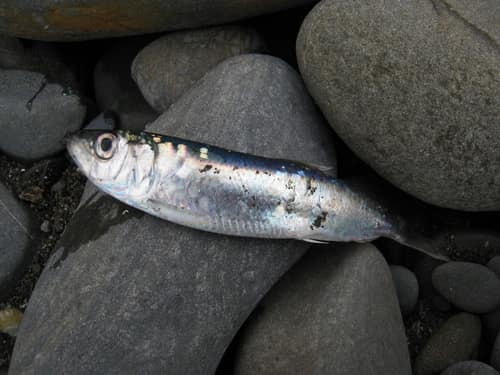
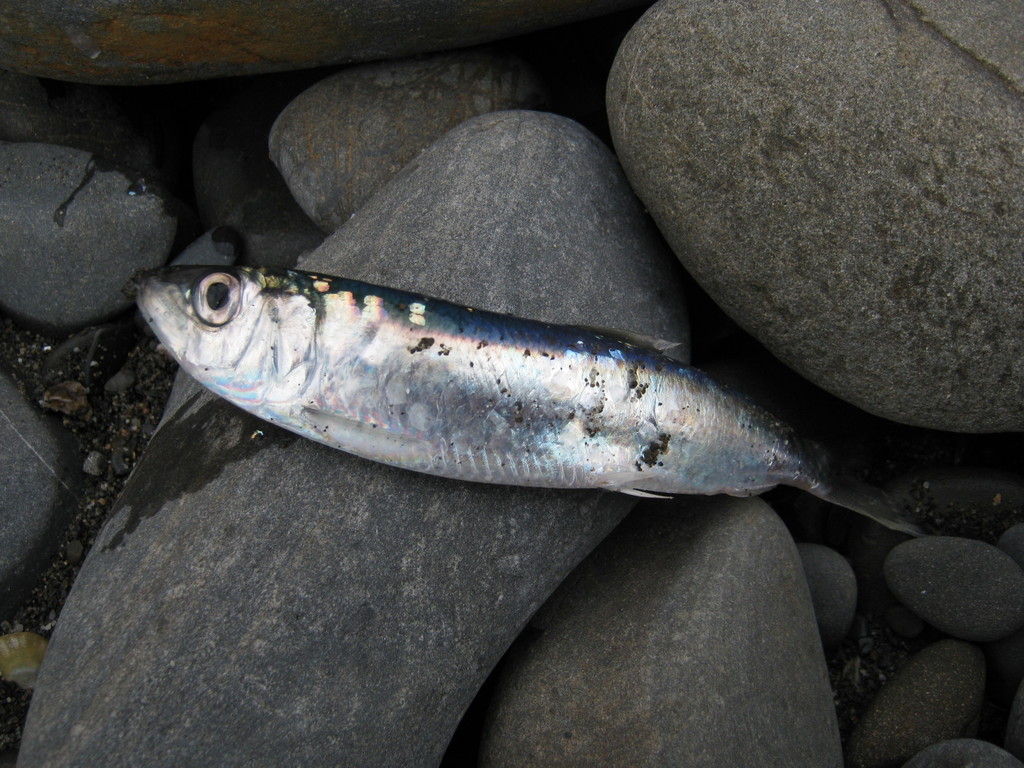
—observations
—countries
—peak records
Least ConcernConservation statusIUCN Red List categoriesLCNTVUENCREWEXLeast ConcernRed List categories, explained →
Diet & prey
- Copepods
- Krill
- Small Fish
Predators
- Atlantic Cod
- Humpback Whale
- Grey Seal
ThreatsOverfishing, climate-driven ocean warming, habitat degradation
HabitatsOpen ocean pelagic waters, coastal bays, estuaries
Life span12–20 years
Size / weightNot available
Classification
- FamilyClupeidae
- SpeciesClupea harengus
Range data is not available yet.
Interaction riskLow
- Low
- Moderate
- High
- Very high
- Why interaction risk is low
- Safe to observe at a normal distance.
Responsible observation
- Whale Watching: Look for diving seabirds and boiling water surfaces indicating hunting underneath.
- Coastal Observation: Visit historical fishing harbors and smokehouses along North Atlantic coasts to learn about their cultural impact.
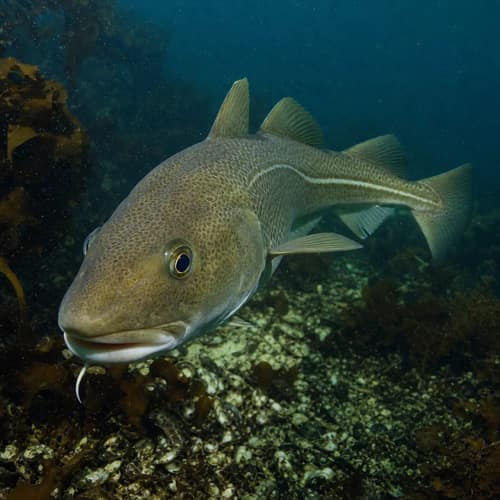
Predator NOAA / Public Domain (NOAA) · Public Domain (NOAA)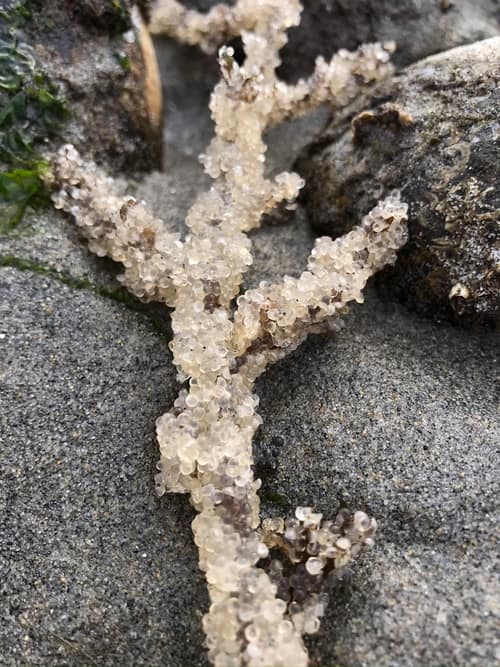
Close Relative (c) rlacroix, some rights reserved (CC BY), uploaded by rlacroix · cc-by Image unavailable
Family Member Family Member
Help improve the field guideSomething wrong?
Checking your Fauna account…Report a name, category, or profile issue for review.