
Fish
Spotted Ratfish
Hydrolagus collieiAlso known as Spotted Chimaera, Rabbitfish, White-spotted Ratfish
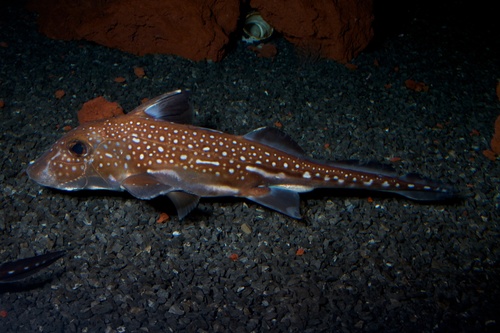
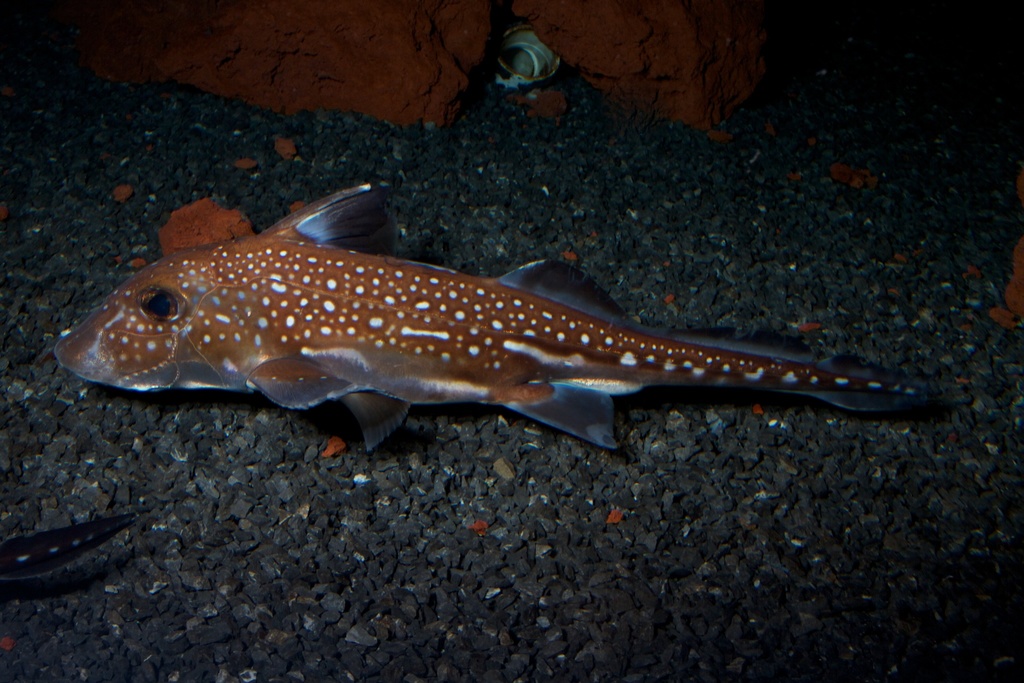
Gliding above soft seafloors with oversized, wing-like pectoral fins, spotted ratfish represent an ancient lineage of cartilaginous fishes that diverged from sharks nearly 400 million years ago. Large, luminous emerald-green eyes grant them exceptional night vision for detecting seafloor invertebrates under complete darkness. During courtship, males deploy specialized clasping organs on their foreheads called tenacula to grasp the female's pectoral fin before depositing pairs of elongated, spindle-shaped egg cases onto muddy sediment.
NocturnalDeep-seaBenthic
—observations
—countries
—peak records
Least ConcernConservation statusIUCN Red List categoriesLCNTVUENCREWEXLeast ConcernRed List categories, explained →
Diet & preyDungeness Crab, Pacific Pink Scallop, Polychaete Worms
Predators
- Broadnose Sevengill Shark
- Spiny Dogfish
- Giant Pacific Octopus
ThreatsBycatch in bottom-trawl fisheries and marine pollution
HabitatsTemperate coastal waters, continental shelves, muddy bays, and rocky reefs down to 900 meters
Life span15–30 years
Classification
- FamilyChimaeridae
- SpeciesHydrolagus colliei
Range data is not available yet.
Interaction riskVery high
- Low
- Moderate
- High
- Very high
- Why interaction risk is very high
- Possesses a venomous dorsal spine capable of inflicting painful wounds; observe without touching.
- Why it is dangerous
- The stout spine preceding the first dorsal fin contains a mild venom that causes severe localized throbbing pain and swelling.
- How to recognize a risky encounter
- Look for a bronze-brown body covered in white spots, iridescent green eyes, and a prominent serrated dorsal spine.
- What to do
- Maintain neutral buoyancy and observe from at least a meter away; never attempt to grab or corner one.
Responsible observation
- Night Diving: Look for their distinctive reflective green eyes along sandy drop-offs during night dives.
- Dorsal Spine: Keep hands clear of the leading dorsal fin spine when encountering them underwater.
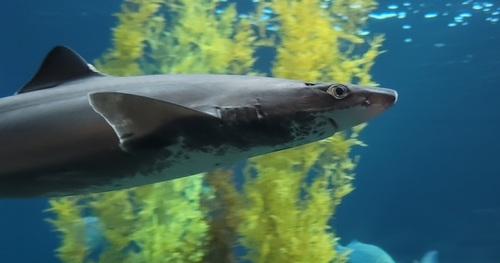
Competitor (c) Macrophyseter, some rights reserved (CC BY-SA) · cc-by-sa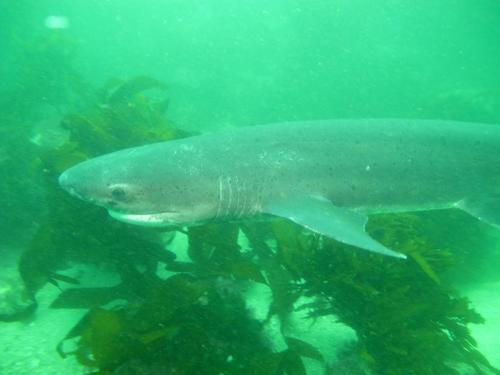
Predator (c) Derek Keats, some rights reserved (CC BY-SA) · cc-by-sa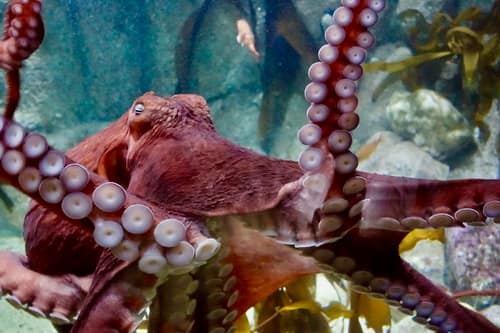
Predator "Giant Pacific Octopus" by jurvetson is licensed under CC BY 2.0. To view a copy of this license, visit https://creativecommons.org/licenses/by/2.0/. · cc-by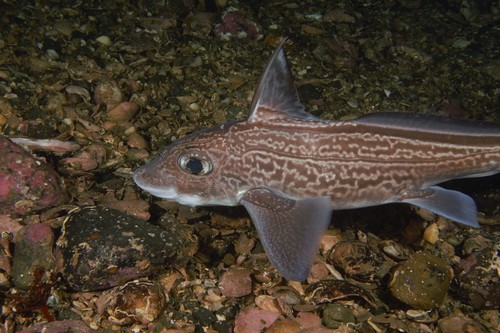
Same Family (c) Viktor V. Grøtan, some rights reserved (CC BY), uploaded by Viktor V. Grøtan · cc-by
Help improve the field guideSomething wrong?
Checking your Fauna account…Report a name, category, or profile issue for review.