Also known as Blue Surgeonfish, Powder-blue Surgeonfish
Powder blue tangs are striking, highly active reef dwellers that patrol shallow, sunlit waters in search of algae. They exhibit strong territoriality, aggressively defending their feeding patches from other herbivores using the sharp, scalpel-like spines on their tail bases. While they often forage in large, nomadic schools to overwhelm the defenses of territorial damselfish, individuals revert to solitary, defensive behavior on their home reefs.
ThreatsHabitat degradation, coral bleaching, and overcollection for the aquarium trade
HabitatsShallow coral reefs, rocky shores, and seaward reef flats
Life span30 to 45 years
Classification
FamilyAcanthuridae
SpeciesAcanthurus leucosternon
Range & activity
Range data is not available yet.
Safe observation
Interaction riskLow
Low
Moderate
High
Very high
Why interaction risk is low
Equipped with sharp caudal spines that can inflict deep cuts; avoid handling or cornering them.
Why it is dangerous
Possesses modified scales on the caudal peduncle that act like razor-sharp scalpels, which can flex outward to inflict deep lacerations when the fish thrashes.
How to recognize a risky encounter
Look for the bright yellow spot at the base of the tail, which highlights the location of the defensive spine.
What to do
Never attempt to touch or hand-feed this fish; maintain a respectful distance while diving or snorkeling.
Responsible observation
Observe from a distance: Watch their grazing behavior on shallow reef flats without blocking their swimming paths.
Look for the scalpel: Spot the bright yellow sheath on the tail base which houses their defensive spine.
Watch school dynamics: Look for large feeding aggregations that temporarily form to overwhelm territorial damselfish.

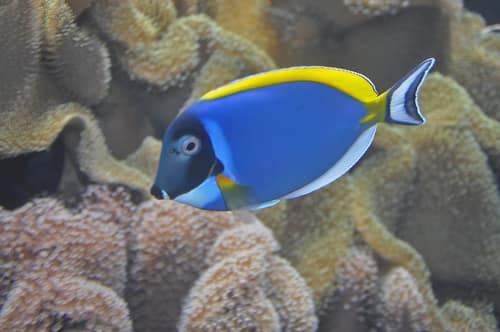
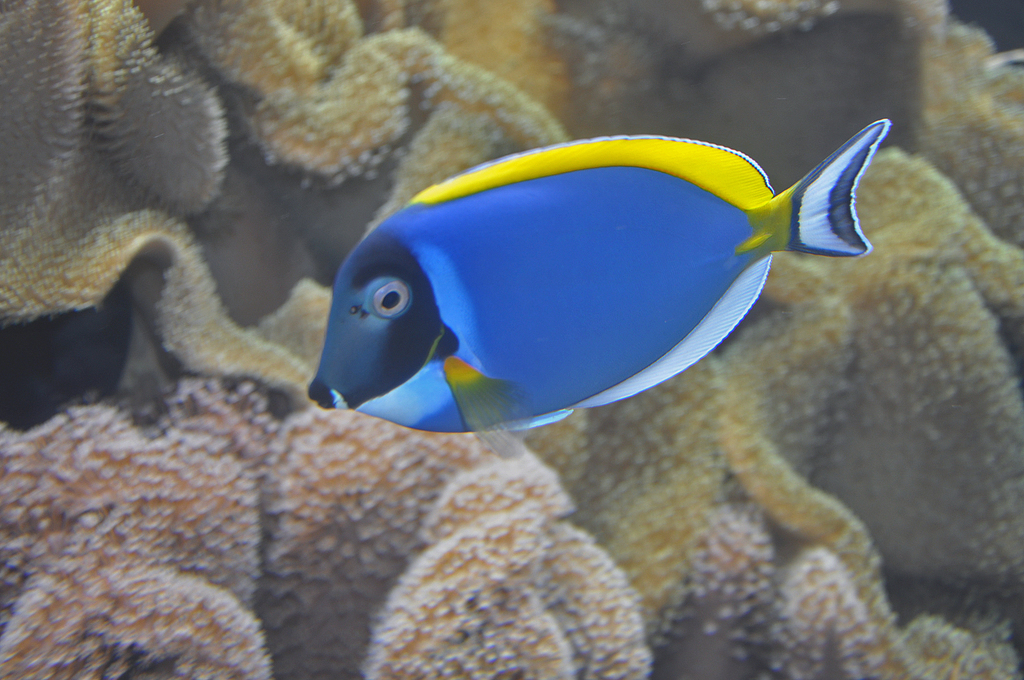
 Image unavailable