
Species
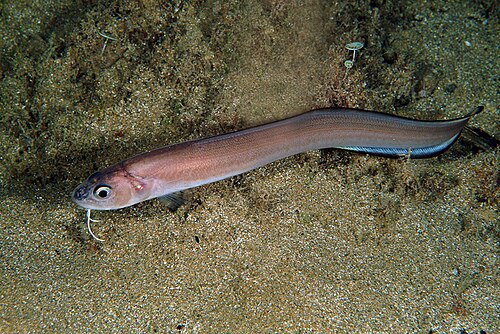
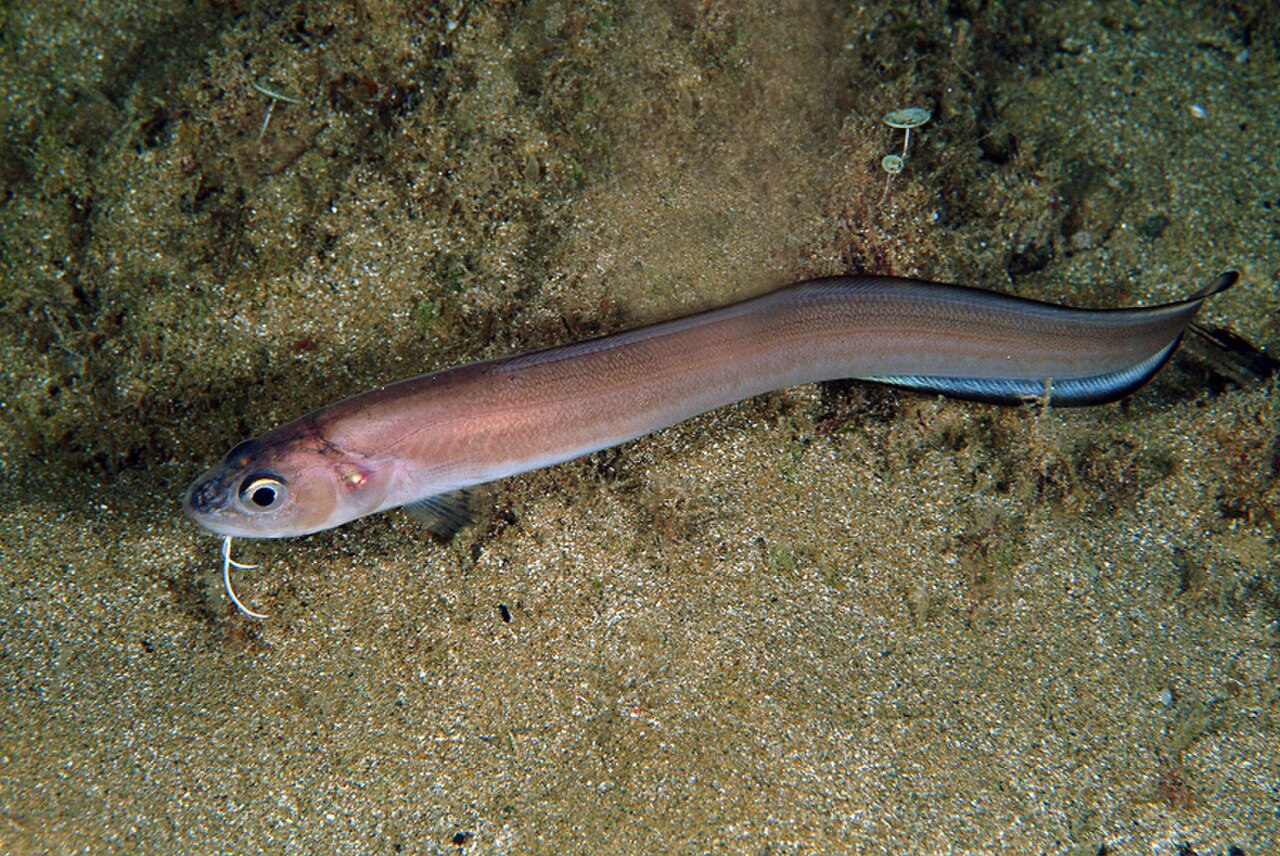
Bearded Cusk-Eel
Ophidion barbatumAlso known as Snake Blenny
Bearded cusk-eels spend daylight hours concealed tail-first in soft seabed sand, emerging under cover of darkness to forage along coastal shelves. Forked pelvic fins beneath the chin act as sensitive sensory probes, brushing across muddy substrate to locate hidden invertebrates. Males vibrate specialized sonic muscles against their swim bladders to generate rhythmic acoustic pulses during courtship.
Bottom DwellerNocturnalBurrower
—observations
—countries
—peak records
Least ConcernConservation statusIUCN Red List categoriesLCNTVUENCREWEXLeast ConcernRed List categories, explained →
Diet & preyAmphipods, Polychaete worms, Decapod shrimps
Predators
- European conger
- Thornback ray
- Common cuttlefish
ThreatsBottom trawling bycatch, marine pollution, and sediment disruption
HabitatsSandy and muddy coastal seabeds, estuaries, and continental shelves
Life span5–8 years
Classification
- FamilyOphidiidae
- SpeciesOphidion barbatum
Range data is not available yet.
Interaction riskLow
- Low
- Moderate
- High
- Very high
- Why interaction risk is low
- Harmless to humans; safe to observe at a normal distance.
Responsible observation
- Night Diving: Sweep dim lights over shallow sand patches after dusk to spot emerging individuals.
- Seabed Scanning: Check fine sediment during daylight for exposed snouts and chin barbels.
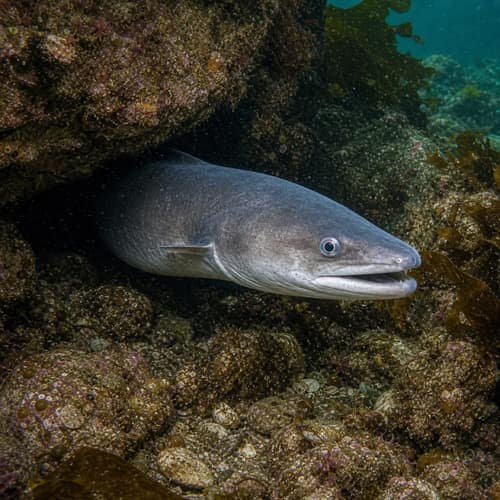
Predator Matthieu Sontag / CC BY 3.0 · CC BY 3.0 Image unavailable
Neighbor Close Relative
Help improve the field guideSomething wrong?
Checking your Fauna account…Report a name, category, or profile issue for review.